
Iran Strikes Leave Amazon Availability Zones “Hard Down” in Bahrain and Dubai, Per Internal AWS Communication
Amazon tells its employees to deprioritize these regions as the Iran war deals meaningful damage to its infrastructure in the Gulf.
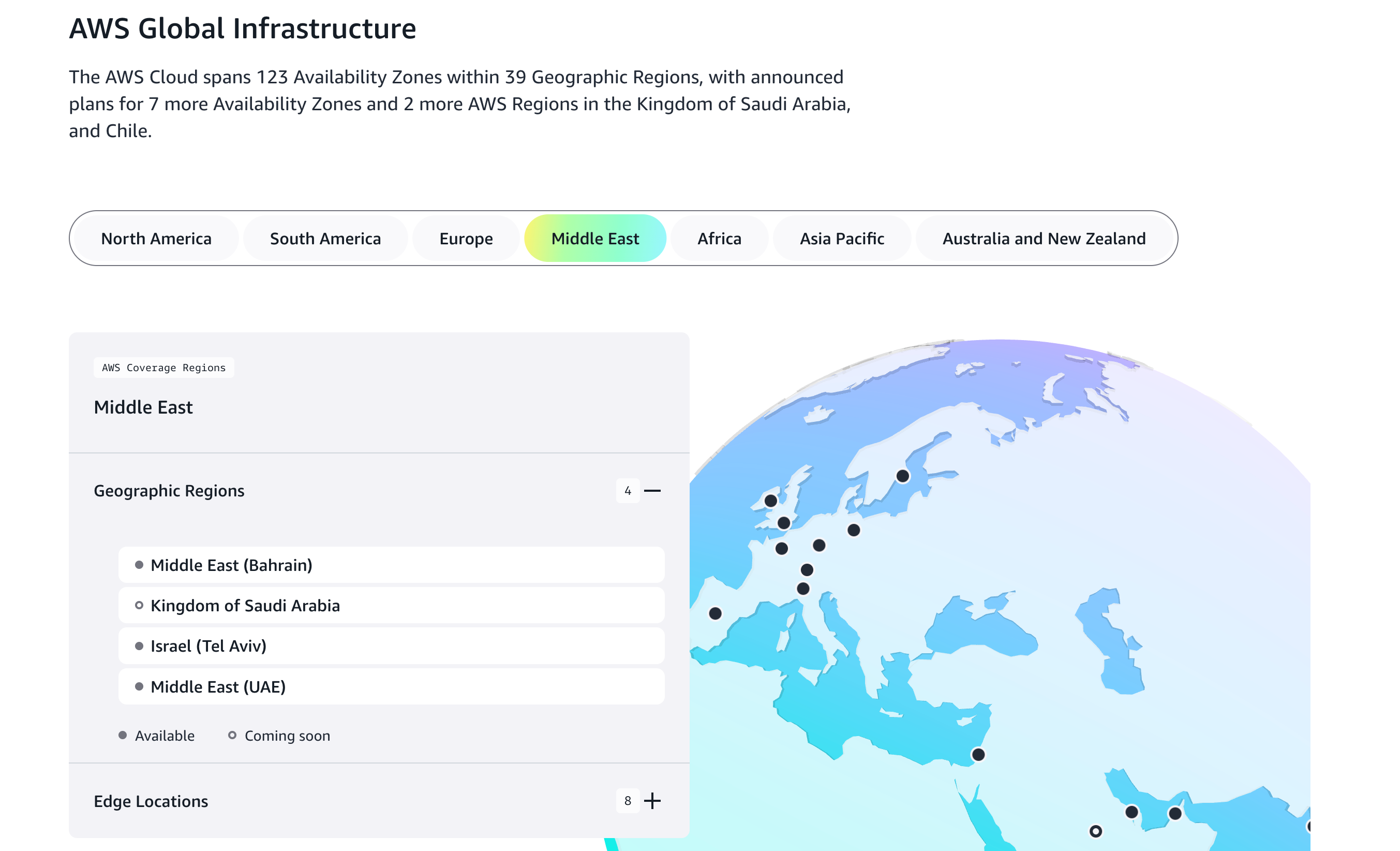
Iranian military actions have caused significant disruptions to Amazon Web Services (AWS) availability zones in Bahrain and Dubai, leaving them "hard down" and impairing the company's ability to provide normal levels of redundancy and resiliency to customers in the region. According to internal AWS communications reviewed by Big Technology, employees have been instructed to deprioritize these regions due to the extensive damage caused by the recent Iranian strikes.
The situation in the Gulf has escalated as Iran continues to target AWS infrastructure, with facilities in both Bahrain and Dubai suffering multiple attacks. One notable incident included a fire that broke out in Bahrain's AWS facilities on Wednesday. The Islamic Revolutionary Guard Corps (IRGC) has also threatened other U.S. tech giants, including Microsoft, Google, and Apple, indicating a broader strategic effort to disrupt Western technological operations in the region.
In the aftermath of the strikes, AWS has issued an internal memo advising employees to scale services to the minimal footprint required to support customer migration. The memo emphasizes that the two regions are "impaired" and should not expect normal levels of redundancy and resiliency. AWS is actively working to free up capacity in the affected regions and has been assisting customers in migrating their workloads to other parts of the world.
An AWS spokesperson referred Big Technology to an official blog post addressing the disruptions. The post states that the company is supporting affected customers by helping them migrate to alternate AWS regions, with many already successfully operating their applications from other locations. The spokesperson reiterated the company's previous advice for customers with workloads in the affected regions to continue migrating to other locations as the situation evolves.
The availability zones in Bahrain and Dubai each have three clusters of compute, with two zones described as "hard down" and one as "impaired but functioning." The extent of the damage and the timeline for recovery are not yet clear, but the incident highlights the vulnerability of critical infrastructure in the region and the potential for further disruptions as the conflict continues.
As the war in the Gulf nears its sixth week, the targeting of AWS infrastructure underscores the strategic importance of these facilities and the potential for broader economic impacts on the technology sector. The situation also serves as a reminder of the need for companies to have robust contingency plans in place to mitigate the risks associated with geopolitical tensions and potential attacks on their operational assets.
In response to the disruptions, AWS has been working closely with customers to ensure a smooth transition to alternative regions and to provide the necessary support for those affected. The company's proactive approach has helped many businesses continue their operations with minimal downtime, but the incident also underscores the challenges faced by organizations reliant on cloud services in volatile regions.
The ongoing conflict in the Gulf and the targeting of AWS infrastructure in Bahrain and Dubai are likely to have long-term implications for the technology sector and the global supply chain of cloud services. As the situation continues to evolve, companies will need to remain adaptable and resilient in the face of potential disruptions and the need to diversify their operational footprints to mitigate risks.









