Iran Shoots Down U.S. Fighter Jet, One Crew Member Still Missing
The White House wants to portray Iran’s military as defeated, but U.S. intelligence shows otherwise.
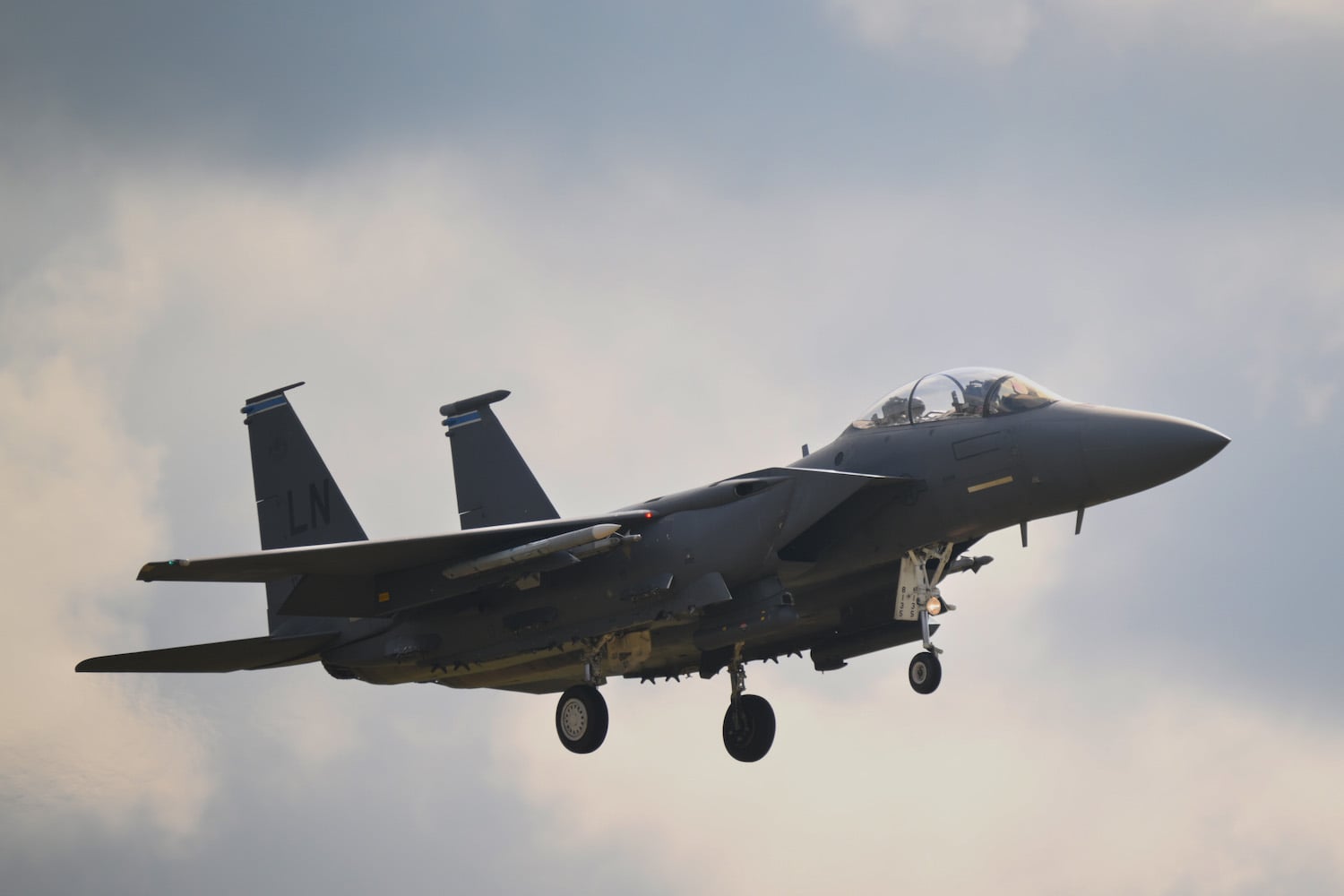
On a tense morning, Iran announced the downing of a U.S. fighter jet near its southern coastline, sparking immediate global concern and a flurry of diplomatic activity. The incident occurred as tensions between the two nations have been simmering for months, with both sides engaged in a complex game of geopolitical chess. The U.S. has accused Iran of supporting insurgent groups in the region, while Tehran has vehemently denied these allegations, framing itself as a victim of U.S. aggression.
The White House initially responded with a statement condemning the act as a reckless and unprovoked attack, emphasizing the need for Iran to cease its provocative actions. However, behind the scenes, U.S. officials have been grappling with conflicting intelligence reports. While the public narrative paints Iran as a weakened adversary, clandestine assessments suggest otherwise. This discrepancy has fueled internal debates within the administration, as some officials argue that Iran's military capabilities are far from diminished, and the recent incident is a stark reminder of their operational prowess.
The downed jet, identified as an F/A-18E Super Hornet, was part of a routine surveillance mission in the Persian Gulf. The U.S. military has confirmed that one crew member was successfully rescued, but the fate of the other remains unknown. Officials have expressed concern over the missing pilot, with search and rescue operations ongoing. Meanwhile, Iran has released footage of the jet's wreckage, claiming that it was shot down after violating its airspace. The U.S. has disputed these claims, asserting that the aircraft was operating within international waters.
This incident has reignited fears of a potential military escalation between the two nations. Analysts warn that the situation could spiral out of control, with both sides prepared to retaliate. The U.S. has already deployed additional forces to the region, while Iran has threatened to respond forcefully to any perceived threats. The international community is closely monitoring the situation, with diplomats urging restraint and dialogue.
The conflicting intelligence reports have complicated the U.S. response. Some experts argue that the White House's portrayal of Iran as defeated may be an attempt to bolster domestic morale and justify military actions. However, others contend that this narrative overlooks the realities on the ground, where Iran's military has demonstrated significant capabilities, particularly in asymmetric warfare and electronic warfare.
The downing of the U.S. jet has also raised questions about the effectiveness of U.S. intelligence gathering in the region. Critics suggest that the U.S. has underestimated Iran's ability to conduct sophisticated attacks, leading to a lack of preparedness. In response, some U.S. officials have called for a reassessment of intelligence-sharing practices and a more robust surveillance strategy.
As the situation unfolds, the missing pilot has become a focal point of the crisis. The U.S. has demanded that Iran provide information about the pilot's whereabouts, but Tehran has remained silent. This has only heightened tensions, with both nations now locked in a tense standoff.
In the broader context, this incident highlights the complex dynamics of U.S.-Iran relations. The two nations have a long history of conflict, dating back to the 1979 Islamic Revolution and the subsequent hostage crisis. Since then, the U.S. has been involved in a series of proxy wars and covert operations in the region, while Iran has sought to expand its influence through support for groups like Hezbollah and Hamas.
The recent downing of the U.S. jet serves as a stark reminder of the volatile nature of these relations. As both nations grapple with their respective narratives and intelligence assessments, the world watches on, bracing for the potential consequences of this latest chapter in their ongoing rivalry. The stakes are high, with the potential for a full-scale conflict that could have far-reaching implications for global security and geopolitics.
In the coming days, it will be crucial for both sides to exercise caution and engage in diplomatic channels to de-escalate the situation. The international community must also play a role in mediating the conflict, urging both nations to prioritize dialogue over confrontation. The fate of the missing pilot and the future of U.S.-Iran relations hang in the balance, as the world awaits the next moves from Tehran and Washington.