
Iran Says Iraqi Ships Are Allowed to Use Strait of Hormuz
The declaration has the potential to unleash as much as 3 million barrels a day of Iraqi oil cargoes.
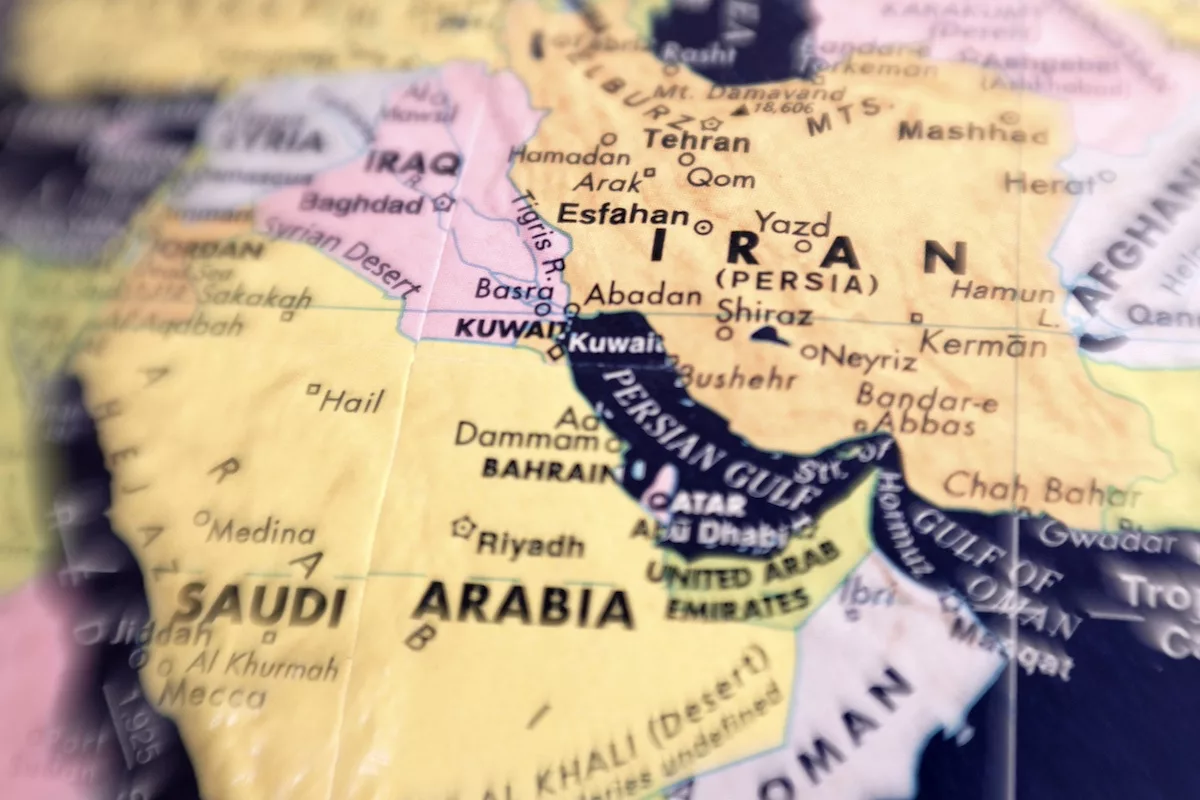
Iran has recently announced that it will permit Iraqi ships to navigate through the Strait of Hormuz, a strategic waterway connecting the Persian Gulf to the Indian Ocean. This move comes as a significant development in regional maritime relations, potentially impacting global oil markets and geopolitical dynamics in the Middle East.
The Strait of Hormuz, approximately 56 kilometers wide at its narrowest point, is a critical chokepoint for international oil trade, with around 30% of global crude oil and 20% of liquefied natural gas passing through it daily. Its strategic importance has long been a point of contention between Iran and other regional powers, with tensions escalating in recent years due to concerns over Iran's nuclear program and its influence in neighboring countries.
Iraq, a major oil producer, has traditionally relied on the Strait of Hormuz to transport its oil exports, particularly to Asian markets. However, in recent years, the country has faced challenges in securing safe passage through the strait amid heightened tensions in the region. The recent Iranian declaration signals a potential easing of restrictions on Iraqi vessels, allowing them to traverse the strait without facing the same level of scrutiny or potential threats as before.
The potential impact of this decision on global oil markets is significant. Iraq is estimated to have the capacity to export up to 3 million barrels of oil per day through the Strait of Hormuz. By granting Iraqi ships access to the strait, Iran could potentially increase global oil supply, influencing global oil prices and market dynamics. This development could have implications for oil-importing nations, particularly in Asia, which heavily rely on Middle Eastern oil.
Moreover, the decision to allow Iraqi ships through the Strait of Hormuz may reflect a broader diplomatic shift in Iran's regional strategy. By easing restrictions on Iraqi vessels, Iran could be signaling a willingness to engage in dialogue and cooperation with its neighbors, potentially reducing tensions in the region. This move could also be seen as an attempt to counterbalance the influence of other regional powers, such as Saudi Arabia and the United States, which have been vocal in their concerns about Iran's nuclear program and regional ambitions.
However, the decision to permit Iraqi ships through the Strait of Hormuz is not without its challenges. The strait has been the site of several incidents in recent years, including tanker collisions and alleged attacks on commercial vessels. These incidents have raised concerns about the safety of navigation and the potential for further escalation in the region. While Iran's declaration may signal a more open approach to regional maritime traffic, it remains to be seen whether this will translate into increased safety and stability in the strait.
Furthermore, the decision to allow Iraqi ships through the Strait of Hormuz could have implications for Iran's own oil exports. By facilitating Iraqi exports, Iran may inadvertently increase competition in global oil markets, potentially affecting the prices it receives for its own crude. This could be a strategic consideration for Iran, as it navigates the complexities of the global oil market and its own economic interests.
In conclusion, Iran's recent announcement permitting Iraqi ships to use the Strait of Hormuz marks a significant development in regional maritime relations. With the potential to increase global oil supply by up to 3 million barrels per day, this decision could have far-reaching implications for oil markets and geopolitical dynamics in the Middle East. While it may signal a shift in Iran's regional strategy, the decision also raises questions about the safety of navigation and the potential impact on Iran's own oil exports. As the situation unfolds, it will be crucial to monitor how this development plays out in the broader context of regional and global politics.









