
Iran Says Iraqi Ships Are Allowed to Use Strait of Hormuz
The declaration has the potential to unleash as much as 3 million barrels a day of Iraqi oil cargoes.
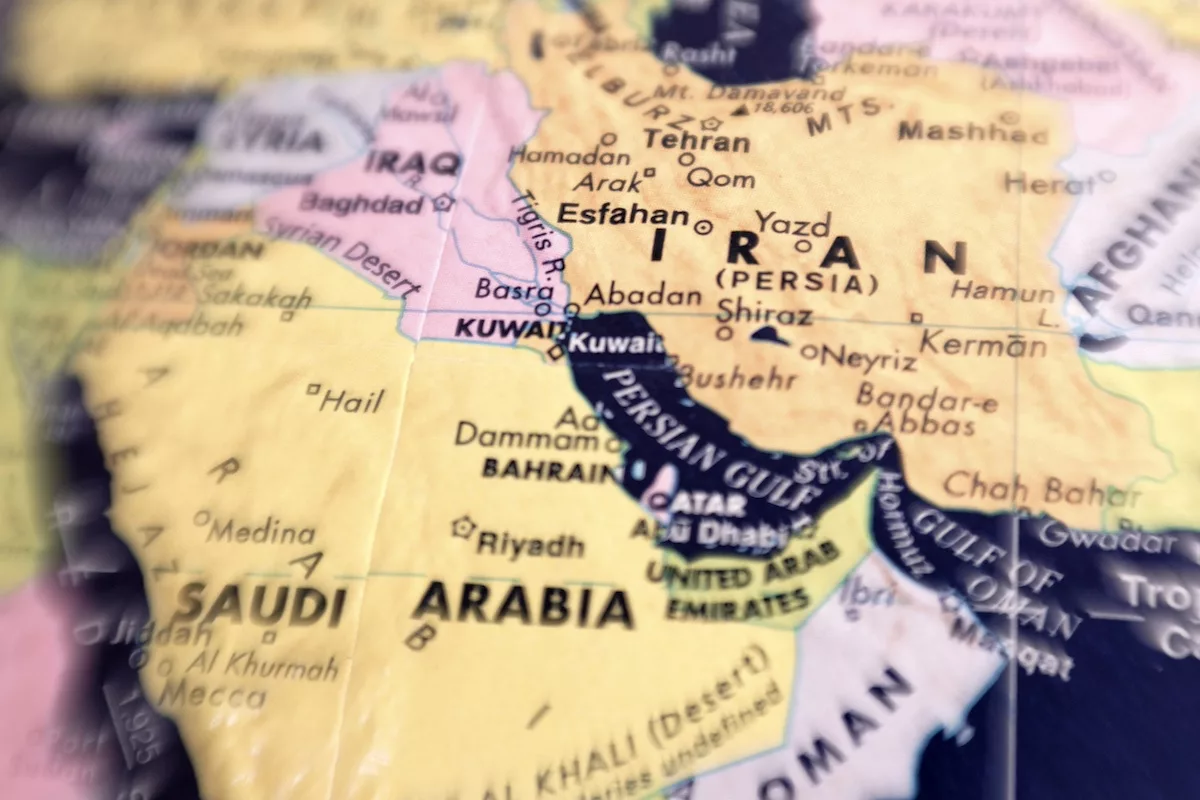
Iran has recently issued a statement allowing Iraqi ships to navigate through the Strait of Hormuz, a strategic waterway connecting the Persian Gulf to the Indian Ocean. This move has significant implications for global oil markets, as it could potentially increase the volume of Iraqi oil exports by up to 3 million barrels per day.
The Strait of Hormuz is a critical chokepoint for international oil trade, with approximately 20% of global crude oil passing through it daily. Historically, Iran has maintained strict control over the strait, often citing security concerns and territorial rights. However, the recent announcement signals a shift in Iran's stance, particularly in light of the ongoing tensions in the region.
Iraq, which has been heavily reliant on land-based transportation for its oil exports, has long sought alternative routes to access global markets more efficiently. The Strait of Hormuz has been a natural choice due to its proximity to Iraqi oil fields and its central role in global trade networks. By granting permission for Iraqi vessels to use the strait, Iran is not only addressing regional geopolitical dynamics but also opening up new opportunities for economic cooperation.
The potential increase in Iraqi oil exports could have a profound impact on global markets. With current oil production at around 12 million barrels per day, an additional 3 million barrels could significantly alter supply-demand dynamics. This could lead to fluctuations in oil prices, affecting economies worldwide. Moreover, it might encourage other oil-producing nations to explore similar routes, further complicating the geopolitical landscape.
However, the decision is not without its challenges. Navigating the Strait of Hormuz can be perilous, with frequent disputes over maritime boundaries and the risk of accidental spills or attacks. Iran has previously warned of the dangers, suggesting that increased traffic could exacerbate these risks. Additionally, there are concerns about the environmental impact of increased oil transportation through the strait, which has already witnessed several significant oil spills in the past.
Despite these concerns, the announcement marks a potential thaw in relations between Iran and Iraq. Both countries have a complex history, with tensions often flaring over territorial disputes and regional power dynamics. By allowing Iraqi ships to use the Strait of Hormuz, Iran is sending a message of cooperation and openness to dialogue. This could pave the way for further negotiations and collaborative efforts in areas such as energy, infrastructure, and security.
In conclusion, Iran's decision to permit Iraqi ships to navigate the Strait of Hormuz is a significant development with far-reaching consequences. It not only has the potential to reshape global oil markets but also signals a potential shift in regional geopolitics. As both countries navigate the complexities of this new arrangement, the focus will be on balancing economic opportunities with the challenges of maritime security and environmental sustainability. The unfolding story will undoubtedly shape the future of energy trade and regional diplomacy in the years to come.








