
Iran moderates pushing Trump deal risk being ‘eliminated’ as regime fractures deepen
Pete Hegseth says Iran should make a deal to end the war as Secretary of State Marco Rubio cites internal fractures in the new Iranian regime.
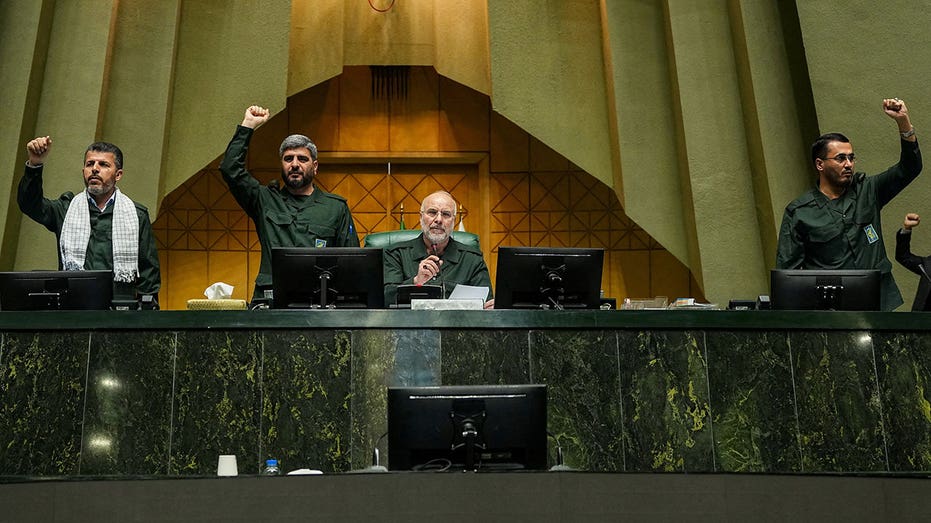
As tensions rise between Iran and the United States, the possibility of a negotiated peace deal faces significant challenges due to deepening fractures within Iran's regime. Recent statements from policy experts and U.S. officials highlight the precarious situation faced by Iranian moderates who are pushing for dialogue with Washington.
Pete Hegseth, a policy expert, has warned that Iranian officials advocating for negotiations with the U.S. risk being labeled traitors and "most likely eliminated." This comes as Secretary of State Marco Rubio cites internal fractures in the new Iranian regime. Rubio's comments, made on "Good Morning America," suggest that there are indeed divisions within Iran that could impact the potential for a peaceful resolution.
Hooshang Amirahmadi, president of the American Iranian Council, echoed Hegseth's concerns, stating that if Iranian moderates push for negotiation and a ceasefire, they will be seen as traitors and face elimination. Amirahmadi's warning comes at a time when the Trump administration claims to be in contact with elements of a "new" and "more reasonable" leadership in Iran as the conflict enters its fifth week.
Amirahmadi further explained that anyone in Iran who speaks of negotiation is suspected of paving the way for more war and destruction. He described the moderate reformers as "infiltrators and deemed traitors." This sentiment is not without basis, as the emerging new regime in Iran is composed of more hard-line elements that view moderates as threats to their authority.
Rubio's comments on the fractures within Iran align with Amirahmadi's analysis. The U.S. Secretary of State declined to disclose who exactly the U.S. is negotiating with, citing the potential danger to those individuals. Rubio's reluctance to name specific contacts highlights the volatile political landscape in Iran and the risks faced by those advocating for engagement with Washington.
Amirahmadi also confirmed the existence of an internal struggle within Tehran's power structure. He noted that remnants of the old regime, or the Khamenei-era system, still exist and support negotiation or a ceasefire. However, these moderates are increasingly vulnerable as the new regime, composed of hard-line elements, views them as traitors.
The situation in Iran is further complicated by the presence of hardline speakers, such as the one who threatened to burn U.S. forces, who may be Tehran's point man for talks. This individual's role suggests that there are elements within the Iranian regime that are willing to engage in negotiations, albeit under the shadow of a hardline leadership.
In conclusion, the prospects of a negotiated peace deal between Iran and the United States appear to be increasingly uncertain due to the deepening fractures within Iran's regime. The vulnerability of moderate Iranian officials, who are seen as traitors by hardline elements, poses a significant risk to any potential agreement. As the Trump administration continues to engage with elements of a "new" leadership, the internal divisions within Iran could either facilitate or hinder a peaceful resolution to the ongoing conflict. The situation remains precarious, with the future of negotiations hanging in the balance as the regime fractures further.








