
Iran Hacktivists Make Noise but Have Little Impact on War
Iran-aligned groups are trying to make their mark in the Gulf, but the results have fallen short of remarkable.
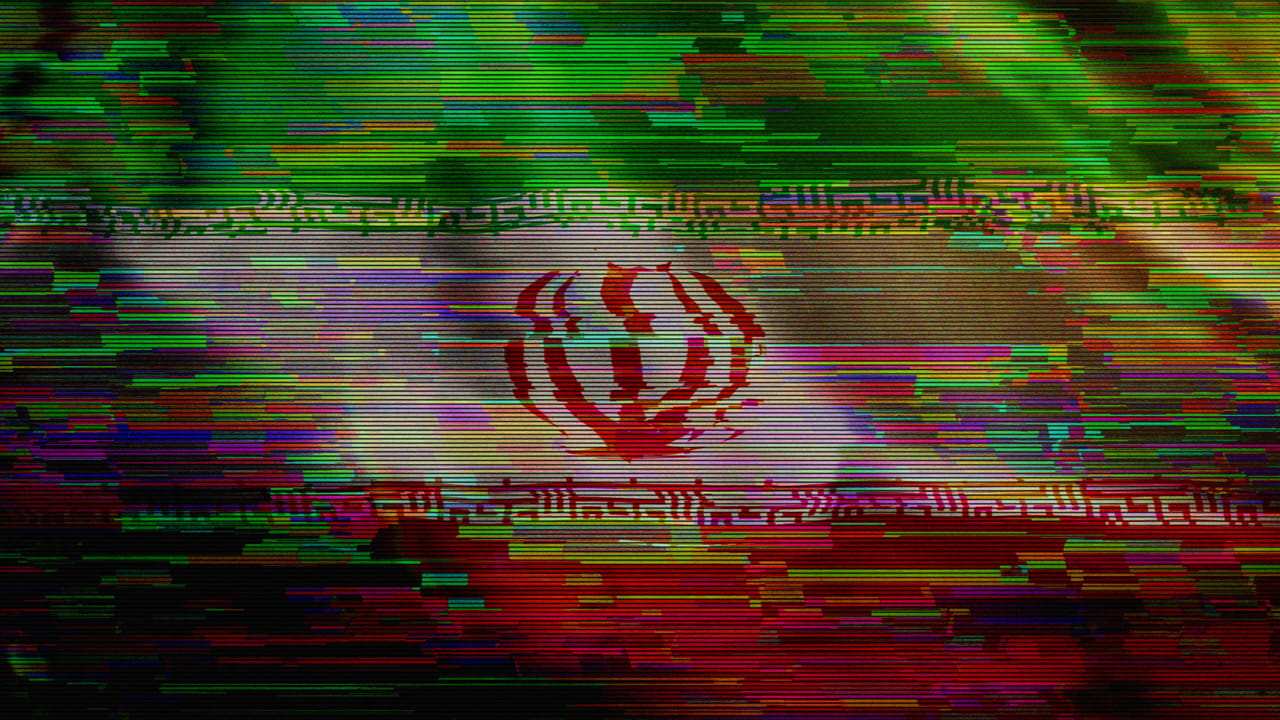
In recent months, Iran-aligned hacktivist groups have been attempting to assert their influence in the Gulf region, launching cyber operations targeting regional entities and institutions. While these efforts have garnered some attention, the actual impact of these activities has been limited, with many experts suggesting that the noise being made does not translate into significant results.
The hacktivist groups, often linked to Iranian state actors, have been active in attempting to disrupt communications, steal sensitive data, and spread disinformation. These efforts have been directed at a range of targets, including government agencies, military installations, and private companies operating in the Gulf. However, despite the scale of these operations, the outcomes have been far from impressive.
One of the primary challenges facing these hacktivist groups is the advanced cybersecurity measures in place across the Gulf states. Many of these nations have invested heavily in cybersecurity infrastructure, making it difficult for Iran-aligned actors to penetrate their defenses. Additionally, the Gulf states have established strong alliances and partnerships with other nations, particularly the United States, which have provided them with robust cybersecurity support.
Furthermore, the credibility of the information disseminated by Iran-aligned hacktivists is often questioned. While they may succeed in releasing sensitive data or disrupting communications, the authenticity of the material is frequently called into question. This has limited their ability to achieve their broader goals, such as undermining regional stability or influencing political outcomes.
Another factor limiting the impact of these cyber operations is the swift response of Gulf states to such threats. When attacks are detected, the affected nations often mobilize their cybersecurity forces to counter the threats, further reducing the effectiveness of the initial operations.
Despite the challenges, Iran-aligned hacktivist groups continue to persist in their efforts, likely driven by a combination of ideological motivations and the desire to assert influence in the region. However, the limited success of these operations suggests that they are not yet a major concern for Gulf security.
In conclusion, while Iran-aligned hacktivist groups have been vocal in their attempts to impact the Gulf region, their actual influence remains minimal. Advanced cybersecurity measures, alliances with other nations, and the swift response of Gulf states have all contributed to limiting the impact of these efforts. As a result, the noise being made by these groups does not yet translate into significant results, and it remains to be seen whether they will be able to achieve more substantial outcomes in the future.









