
Iran Guards recruiting children as young as 12, putting them on front lines of war
Human Rights Watch and Amnesty International report Iran's Islamic Revolutionary Guard Corps is recruiting children as young as 12 into military-linked combat and patrol roles.
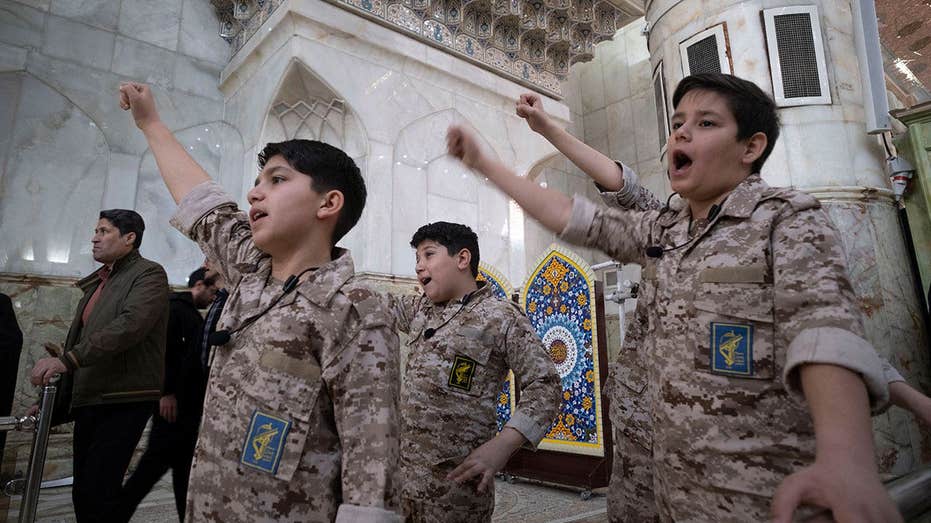
Iran's Islamic Revolutionary Guard Corps (IRGC) has been recruiting children as young as 12 into military-linked combat and patrol roles, according to reports by Human Rights Watch (HRW) and Amnesty International. This alarming development highlights mounting pressure on Iran's war effort, as the country faces intensified U.S. and Israeli strikes. Rights groups and analysts argue that the recruitment of minors signals severe manpower shortages and a growing reliance on paramilitary forces to maintain control over the home front. Furthermore, this practice escalates the human cost of the conflict, placing vulnerable children in direct danger and potentially exposing Iran to war crimes liability.
HRW has revealed that the IRGC has launched a campaign called "Homeland Defending Combatants for Iran," which has lowered the minimum recruitment age to 12. The organization encourages minors to sign up through mosques and the Basij, a volunteer paramilitary force under the IRGC. These children are not limited to support tasks; they are also assigned to operational patrols, staffing checkpoints, and intelligence activities, putting them directly in harm's way as fighting intensifies across the country.
Amnesty International has taken a stronger stance, stating that the recruitment and deployment of children under the age of 15 constitute a war crime. The organization has backed its claims with verified visual evidence and eyewitness accounts. Amnesty analyzed 16 photos and videos published since Saturday, showing children carrying weapons, including AK-pattern rifles, and deployed alongside IRGC and Basij forces at checkpoints, on patrols, and during state-organized rallies in Iranian cities such as Tehran, Mashhad, and Kermanshah.
The fatal consequences of this practice have already been documented. On Sunday, an 11-year-old boy named Alireza Jafari was killed at a checkpoint in Iran while accompanying his father, a Basij member. Authorities claimed he was killed "while serving" following an Israeli drone strike. This tragic incident underscores the dangers faced by these young recruits, who are being used as pawns in a conflict they cannot understand.
The recruitment of children by the IRGC raises serious concerns about Iran's adherence to international humanitarian law, particularly the Optional Protocol on the Involvement of Children in Armed Conflict. This protocol, which Iran has ratified, prohibits the direct recruitment or use of children under the age of 18 in armed conflict and emphasizes the need to protect them from such involvement.
The situation in Iran is further complicated by the country's ongoing tensions with Israel and the U.S., which have led to increased military activity in the region. As the conflict escalates, the need for manpower becomes more pressing, and the IRGC's reliance on child soldiers may be seen as a desperate attempt to bolster its ranks. However, this approach not only endangers the lives of innocent children but also risks tarnishing Iran's international reputation and potentially leading to legal consequences for war crimes.
The reports from HRW and Amnesty International have sparked international outrage and calls for urgent action. The United Nations and other international bodies must monitor the situation closely and hold Iran accountable for its actions. Additionally, it is crucial for the international community to support efforts to protect children in conflict zones and advocate for the immediate cessation of child recruitment in Iran.
In conclusion, the recruitment of children as young as 12 by Iran's IRGC into military-linked roles is a troubling development that underscores the severity of the country's manpower shortages and its reliance on paramilitary forces. This practice not only endangers the lives of innocent children but also escalates the human cost of the conflict and raises concerns about potential war crimes liability for Iran. The international community must take decisive action to address this issue and protect vulnerable children from being used as pawns in armed conflicts.








