Iran energy shocks give rise to urban-to-rural migration in India
The energy crisis is affecting India's vulnerable migrant labourers who face mass unemployment and food shortages.
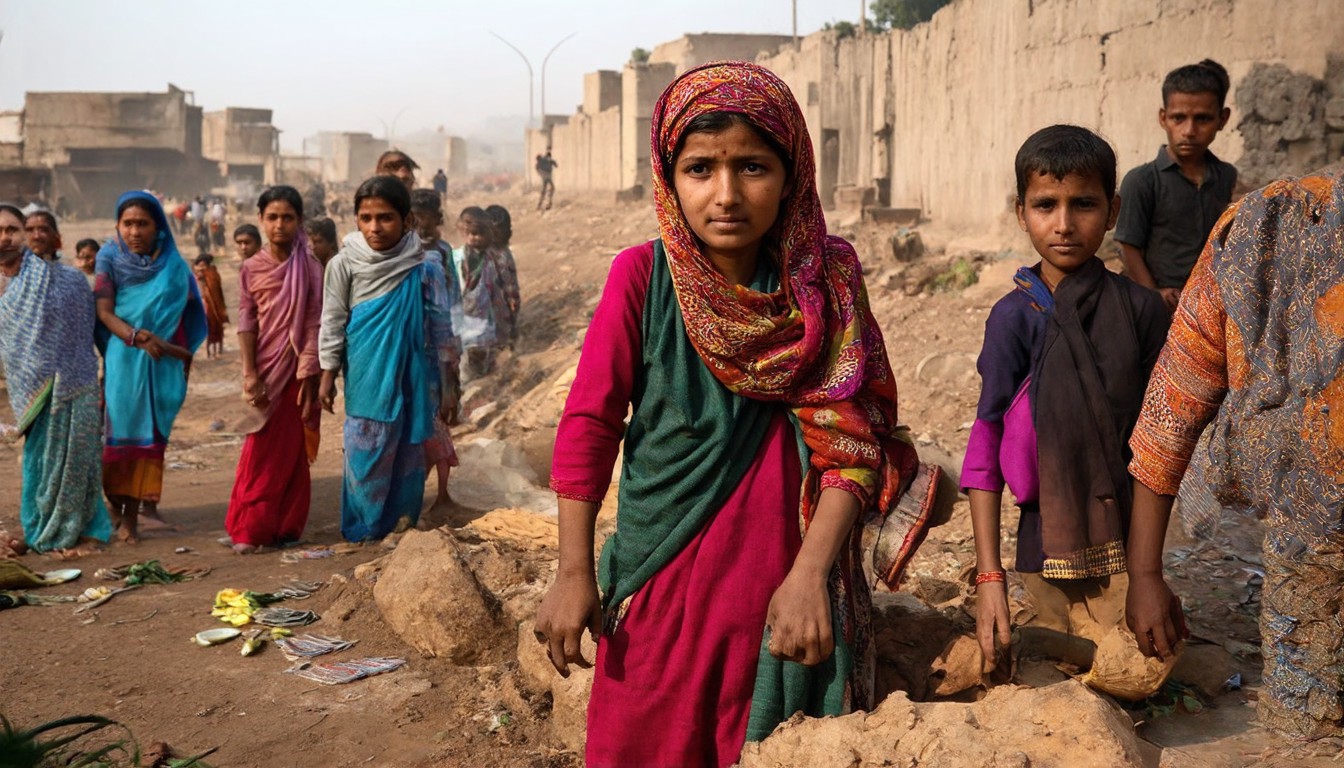
The energy crisis in India, exacerbated by Iran's decision to restrict oil exports, has triggered a significant shift in the country's demographic landscape. As urban areas grapple with power shortages and industrial shutdowns, vulnerable migrant laborers are being forced to migrate from cities to rural regions in search of sustenance. This unexpected urban-to-rural migration has raised concerns about the socio-economic implications for both urban centers and rural communities.
The crisis began when Iran, a key oil supplier to India, reduced its oil exports due to sanctions and economic pressures. This move led to a sharp increase in oil prices, causing a ripple effect across India's energy-dependent industries. Factories and businesses in urban areas, reliant on consistent power supplies, have been forced to shut down, resulting in mass unemployment. Migrant laborers, who often form the backbone of these industries, have been particularly hard hit. Without steady employment, they face severe food shortages and are unable to sustain their families.
In response to this dire situation, many migrant laborers have decided to return to their rural roots, seeking refuge in villages where they can cultivate land and rely on subsistence farming. This exodus from cities has led to a noticeable decline in urban populations, particularly in states like Uttar Pradesh, Bihar, and Jharkhand, which have historically seen high concentrations of migrant workers. The exodus has also put a strain on rural infrastructure, as communities struggle to accommodate the influx of displaced urban dwellers.
The migration trend has raised questions about the long-term effects on India's economy. Urban areas, which are often the hubs of economic activity, are now facing a brain drain as skilled laborers leave in search of basic livelihoods. This outflow of workforce could slow down industrial growth and hinder the country's efforts to achieve sustainable development goals. On the other hand, rural communities, which have traditionally been underrepresented in the workforce, are now facing the challenge of integrating a large number of urban migrants. This transition may lead to increased competition for scarce resources, such as land and water, potentially exacerbating existing tensions.
Government officials have acknowledged the severity of the situation and are working to devise strategies to mitigate its impact. Efforts are underway to improve rural infrastructure, such as building roads and expanding electricity networks, to facilitate smoother integration of urban migrants. Additionally, initiatives are being launched to create job opportunities in rural areas, encouraging migrants to stay and contribute to local economies. However, these measures may not be sufficient to address the immediate needs of the displaced laborers, who are grappling with the harsh realities of unemployment and food insecurity.
The energy crisis-induced urban-to-rural migration highlights the fragility of India's socio-economic fabric. It underscores the need for a more resilient and diversified energy system that can withstand global supply chain disruptions. Furthermore, it calls for a comprehensive approach to address the challenges faced by vulnerable populations, including migrant laborers, to ensure their economic stability and well-being. As the country navigates this complex situation, the interplay between urban and rural dynamics will continue to shape India's future trajectory.