
Iran and Oman Work on System to Monitor Hormuz Traffic
Iran and Oman are believed to be collaborating to draft policies that would facilitate and ensure safe passage for ships moving through the strait.
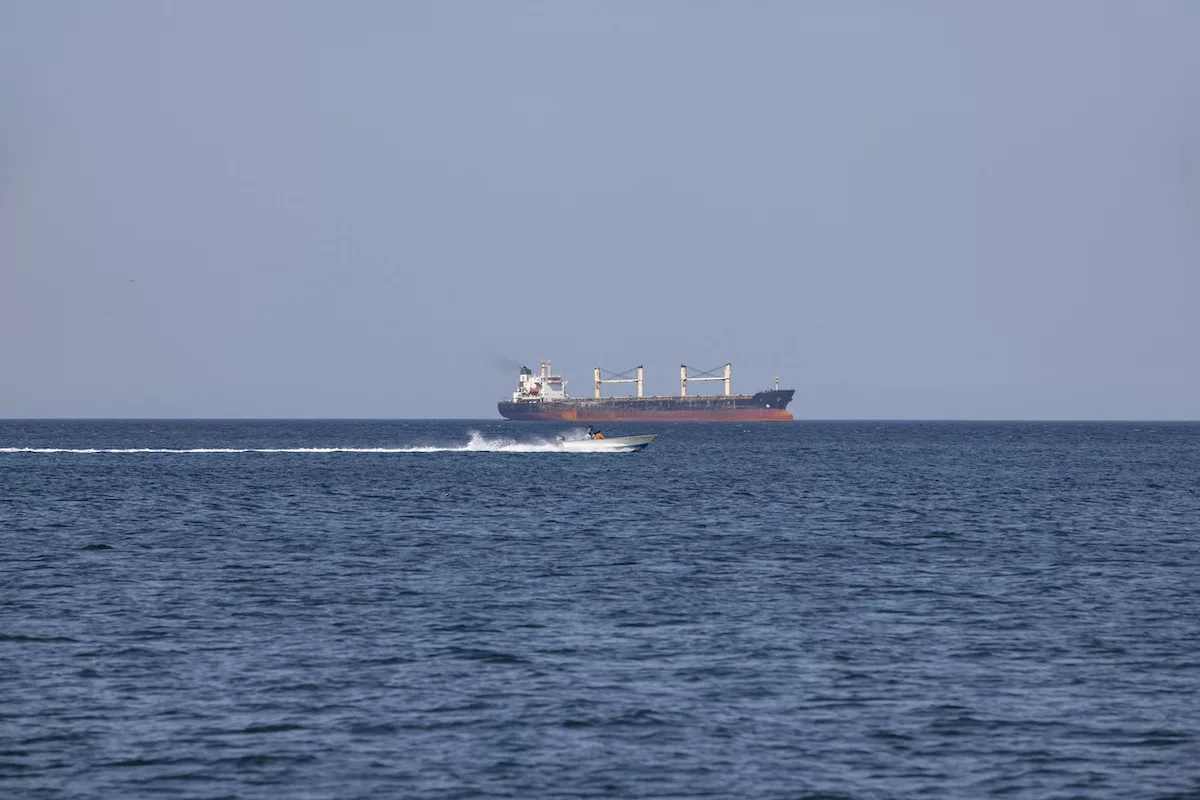
Iran and Oman have reportedly embarked on a joint initiative to develop a comprehensive system for monitoring and regulating maritime traffic in the strategic Strait of Hormuz. This move comes as both nations seek to enhance regional stability and ensure the safe passage of ships, which is critical for global oil supply chains.
The Strait of Hormuz, a narrow waterway between the Persian Gulf and the Gulf of Oman, is one of the world's busiest shipping lanes. It accounts for approximately 30% of global oil exports, making it a focal point for geopolitical tensions. In recent years, the strait has been the site of several incidents, including tanker collisions and naval maneuvers, which have raised concerns about the security of maritime routes.
In response to these challenges, Iran and Oman have begun discussions to establish a unified framework for monitoring and regulating shipping activities in the strait. The proposed system aims to improve communication between maritime authorities, reduce the risk of accidents, and ensure the smooth flow of commercial vessels.
One of the key components of the proposed system is the establishment of a joint maritime surveillance network. This network would involve the deployment of advanced monitoring systems, including radar installations, satellite tracking, and airborne surveillance assets. By sharing real-time data and intelligence, Iran and Oman could better coordinate their efforts to prevent incidents and respond swiftly to any potential threats.
In addition to enhancing safety, the collaboration between Iran and Oman also seeks to address economic concerns. The Strait of Hormuz is a vital artery for global trade, and any disruptions to its flow can have significant impacts on global markets. By working together to ensure the safe passage of ships, both nations can contribute to the stability of the region and the global economy.
The proposed system also reflects a broader trend of increased cooperation between Iran and Oman in recent years. Both countries have sought to improve their relations, particularly in the context of regional security and economic development. The establishment of a maritime monitoring system in the Strait of Hormuz is seen as a significant step toward achieving these goals.
However, the implementation of such a system is not without its challenges. The Strait of Hormuz has long been a point of contention between Iran and other Gulf states, with concerns about Iran's influence over regional maritime activities. Oman's decision to collaborate with Iran on this initiative may be viewed with skepticism by some Gulf nations.
Despite these concerns, both Iran and Oman have emphasized the importance of regional cooperation in addressing shared challenges. They argue that a unified approach to maritime security in the Strait of Hormuz is essential for the stability and prosperity of the entire Gulf region.
In conclusion, the proposed maritime monitoring system in the Strait of Hormuz represents a significant opportunity for Iran and Oman to work together to enhance regional security and promote economic stability. While the implementation of such a system will face challenges, the potential benefits for both nations and the global community are substantial. As the two countries continue their discussions and negotiations, the international community will closely watch the development of this initiative, which could serve as a model for future regional cooperation.








