
Iran and Oman Work on System to Monitor Hormuz Traffic
Iran and Oman are believed to be collaborating to draft policies that would facilitate and ensure safe passage for ships moving through the strait.
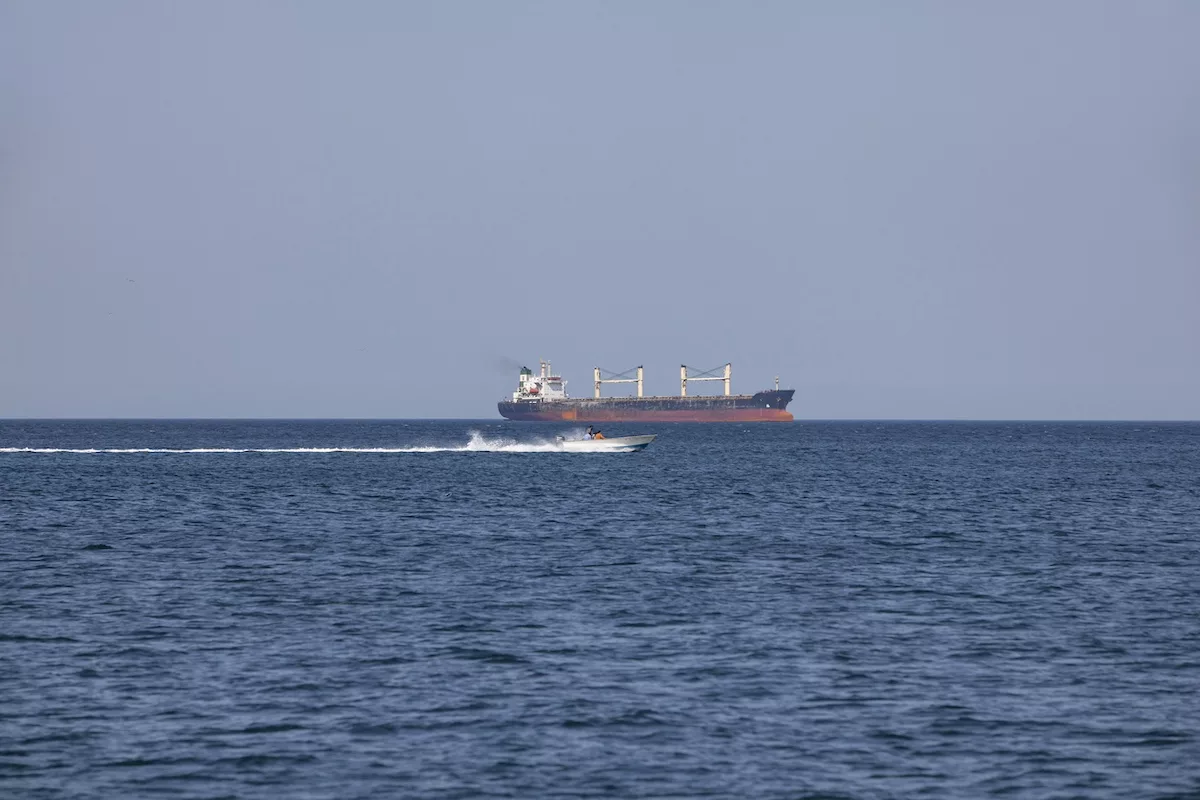
Iran and Oman have reportedly embarked on a joint initiative to develop a comprehensive system for monitoring and regulating maritime traffic in the Strait of Hormuz. This strategic collaboration aims to enhance safety and efficiency for ships navigating one of the world's busiest waterways, which is critical for global oil and trade routes.
The Strait of Hormuz, located between the Persian Gulf and the Gulf of Oman, is a narrow waterway that connects the Indian Ocean to the Persian Gulf. It is a vital chokepoint for approximately 30% of global oil production, making it a focal point for geopolitical tensions. The strait's narrowness and high volume of traffic have historically led to frequent disputes and occasional incidents, including tanker collisions and territorial disputes.
In recent years, concerns over the security and stability of the Strait of Hormuz have intensified due to regional tensions and the risk of accidental or intentional disruptions to shipping. In response, Iran and Oman have initiated talks to establish a joint maritime monitoring system. This initiative is expected to involve the creation of a unified command center, the deployment of surveillance vessels, and the implementation of standardized communication protocols to ensure smooth navigation.
The proposed system will likely incorporate advanced technologies such as satellite monitoring, radar systems, and drones to provide real-time tracking and situational awareness. By sharing data and coordinating efforts, Iran and Oman hope to reduce the likelihood of accidents and incidents, while also ensuring the safe passage of commercial vessels.
The collaboration between Iran and Oman is particularly significant given their geopolitical context. Both nations have long-standing maritime interests in the region, and their cooperation could serve as a model for resolving disputes and promoting stability in the Gulf. The joint effort also reflects a pragmatic approach to addressing shared challenges, as both countries stand to benefit from the enhanced security and predictability of the Strait of Hormuz.
In addition to improving maritime safety, the proposed system could also facilitate economic growth by reducing delays and uncertainties in shipping. The Strait of Hormuz is not only crucial for oil transport but also for the movement of goods and passengers between Asia, Europe, and Africa. By streamlining navigation and reducing the risk of disruptions, the new system could contribute to the stability of global trade and economic interdependence.
While the details of the proposed system remain under negotiation, the agreement between Iran and Oman is a positive development for the region. It demonstrates a commitment to addressing shared challenges through diplomatic and cooperative means. As the two countries continue to work on the specifics of the plan, the international community will closely monitor its progress, hoping that it will serve as a blueprint for resolving other contentious maritime issues around the world.
In conclusion, the collaboration between Iran and Oman to develop a maritime monitoring system for the Strait of Hormuz represents a significant step toward enhancing regional stability and security. By fostering cooperation and leveraging advanced technologies, the two nations aim to ensure the safe and efficient passage of ships through one of the world's most strategically important waterways. As the plan progresses, it will be crucial to maintain open channels of communication and ensure that all stakeholders, including neighboring Gulf states and global trade partners, are engaged in the process. The successful implementation of this system could set a precedent for addressing maritime challenges in an increasingly interconnected world.








