
Iran all but vanishes from the global internet amid US-Israel strikes
Official monitoring shows connectivity collapsing to near-zero Iran's internet has plunged into a near-total blackout, with traffic down to around 1 percent of normal levels and connectivity described as "close to zero" as authorities curb access amid widening regional conflict.…
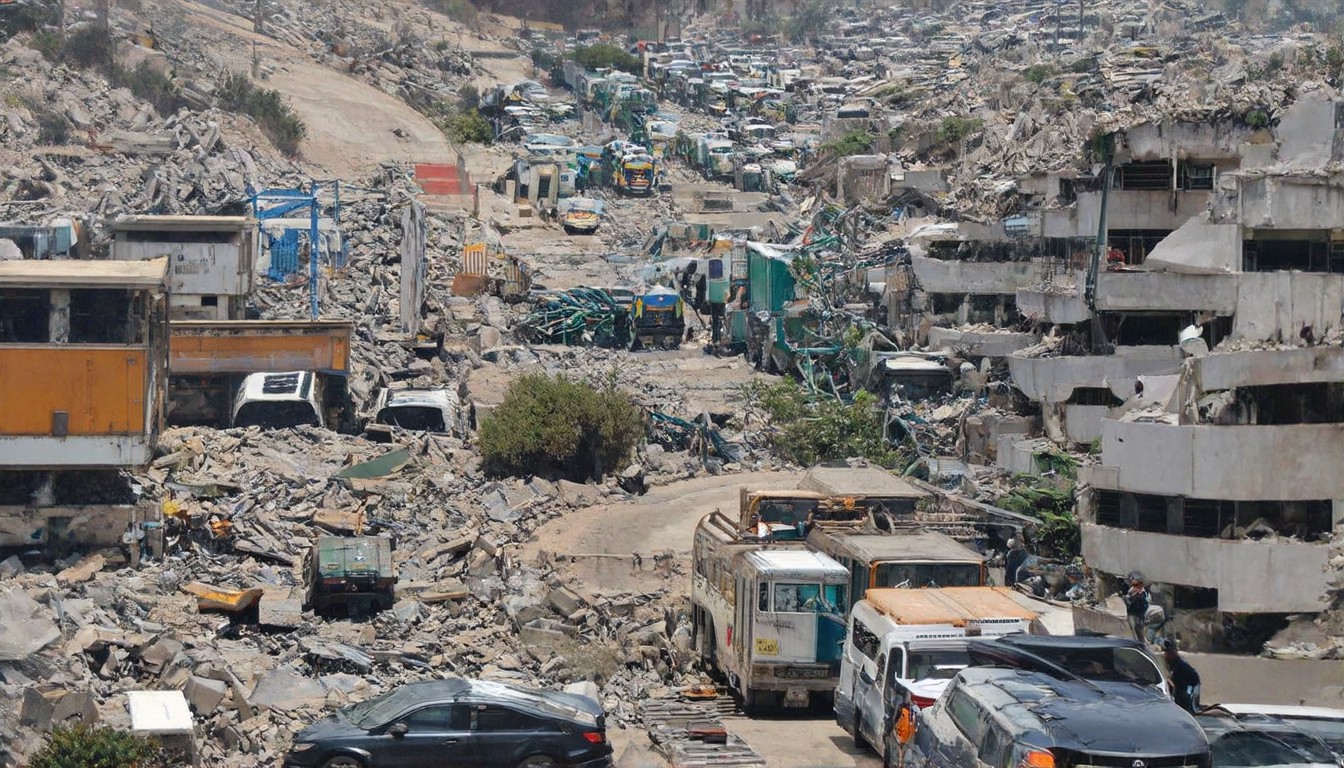
Iran's internet infrastructure has effectively vanished from the global digital landscape, with connectivity plummeting to near-zero levels as the country grapples with the fallout from recent US-Israeli strikes. According to official monitoring data, internet traffic in Iran has dropped to around 1 percent of its normal volume, leaving the nation isolated and disconnected from the rest of the world.
The sudden and dramatic collapse of Iran's internet connectivity is a direct result of the intensifying regional conflict. As tensions escalate, Iranian authorities have implemented stringent measures to restrict internet access, effectively severing the country's digital ties. This move is seen as an attempt to protect critical infrastructure and sensitive information from potential cyber threats, but it has also left the Iranian population with minimal access to global communication channels.
The extent of the blackout is unprecedented. Experts have described the situation as "close to zero" connectivity, with only a fraction of the usual internet traffic remaining. This has left Iran's citizens with limited options for staying informed about events both domestically and internationally. Social media platforms, news websites, and other online services that are not state-controlled have become virtually inaccessible, leaving the Iranian public reliant on domestic media outlets for information.
The US and Israel have not officially confirmed their role in the disruption, but the timing of the internet collapse aligns with their recent military actions in the region. The strikes, which targeted Iranian-backed militias in Syria and Iraq, have further strained relations between the two countries and their allies. The internet blackout, in turn, has intensified the sense of isolation and uncertainty in Iran, as citizens struggle to communicate with the outside world.
The impact of the internet blackout is not limited to Iran alone. The global community has been affected as well. Businesses and organizations that rely on communication with Iranian counterparts have been forced to adapt to the new reality. Trade, diplomatic relations, and cultural exchanges have all been disrupted, with many parties expressing concern over the long-term implications of the situation.
In the wake of the blackout, there are growing calls for international intervention to address the crisis. Some experts argue that the situation in Iran poses a threat to global internet security, as the country's disconnection from the digital world could lead to the proliferation of misinformation and cyber threats. Others emphasize the humanitarian aspect of the issue, highlighting the need to ensure that Iranian citizens have access to reliable information and the ability to communicate with the rest of the world.
As the regional conflict continues to escalate, the future of Iran's internet connectivity remains uncertain. While it is unclear whether the blackout is a temporary measure or a permanent shift in Iran's digital policy, one thing is clear: the global internet has lost a significant player, and the consequences of this disconnection will be felt for years to come.









