
Iran all but vanishes from the global internet amid US-Israel strikes
Official monitoring shows connectivity collapsing to near-zero Iran's internet has plunged into a near-total blackout, with traffic down to around 1 percent of normal levels and connectivity described as "close to zero" as authorities curb access amid widening regional conflict.…
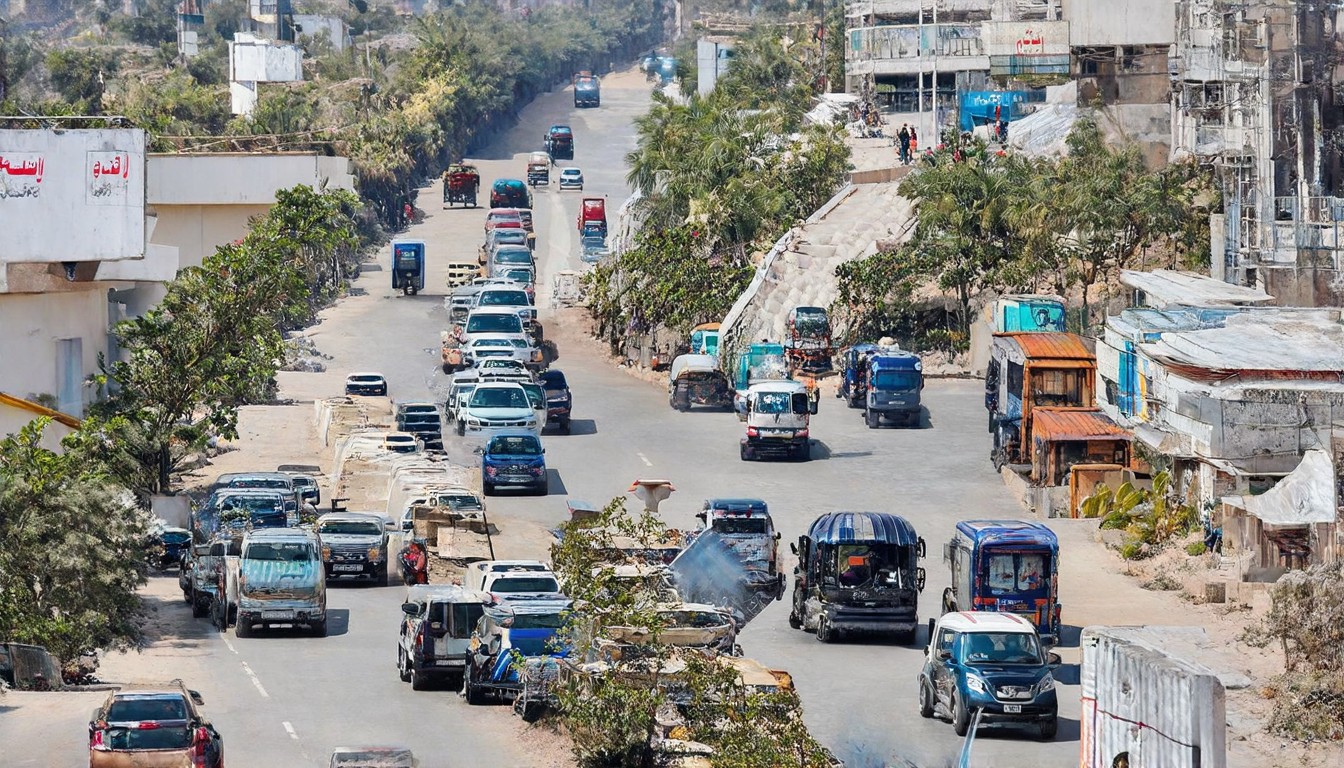
Iran's internet infrastructure has crumbled to near-zero levels, leaving the country almost entirely disconnected from the global digital landscape. This dramatic collapse in connectivity follows a series of intense US-Israeli strikes in the region, which have escalated tensions and prompted Iranian authorities to impose strict restrictions on internet access.
Monitoring data reveals that Iran's internet traffic has plummeted to around 1 percent of its normal levels, with connectivity described as "close to zero." This sudden disruption has left Iranians struggling to access information, communicate with the outside world, and engage in even basic online activities. The extent of the blackout is unprecedented, highlighting the vulnerability of Iran's digital infrastructure amid escalating geopolitical tensions.
The root cause of this internet meltdown can be traced back to the recent US-Israeli strikes, which have targeted Iranian assets and interests in the region. These attacks have not only intensified regional conflict but have also compelled Iranian authorities to prioritize national security over internet connectivity. By restricting access to the internet, the Iranian government aims to prevent the spread of sensitive information and protect its citizens from potential cyber threats.
The sudden and severe reduction in internet access has left Iranian citizens in a state of uncertainty. With limited information available, many are turning to alternative sources of news, such as state-controlled media outlets and word-of-mouth. However, these sources are often unreliable, leading to widespread speculation and misinformation. The lack of transparency from the Iranian government has only exacerbated the situation, as citizens are left to piece together the truth from fragmented and conflicting reports.
The global community is closely monitoring the situation, with experts warning that the internet blackout could have far-reaching consequences. The disruption of Iran's digital infrastructure may hinder economic activities, impede diplomatic efforts, and limit the ability of international organizations to provide aid and support. Furthermore, the collapse of internet connectivity could create a power vacuum that might be exploited by malicious actors, such as cybercriminals and state-sponsored hackers.
In the wake of this unprecedented internet blackout, the international community is calling for dialogue and cooperation to address the crisis. Organizations such as the Internet Society and the Electronic Frontier Foundation have urged governments to find a balance between security and connectivity, emphasizing the importance of maintaining a stable and accessible global internet.
As the situation continues to evolve, it remains unclear how long Iran's internet will remain in this state of near-total disconnect. While the Iranian government may eventually ease restrictions to some extent, the long-term impact on the country's digital landscape and its people's access to information remains uncertain. The global internet, already facing numerous challenges, now faces a new and significant hurdle in the form of Iran's vanishing presence.
In conclusion, the near-total collapse of Iran's internet connectivity serves as a stark reminder of the interconnectedness of the modern world. The US-Israeli strikes have not only intensified regional conflict but have also underscored the critical role of the internet in today's global society. As Iran grapples with the consequences of this unprecedented disruption, the international community must work together to ensure that the internet remains a force for stability, security, and connectivity for all.








