IPL 2026: The AI-Led Second-Screen Economy Takes Off
As India gears up for yet another high-octane season of the Indian Premier League (IPL), all eyes will be on…
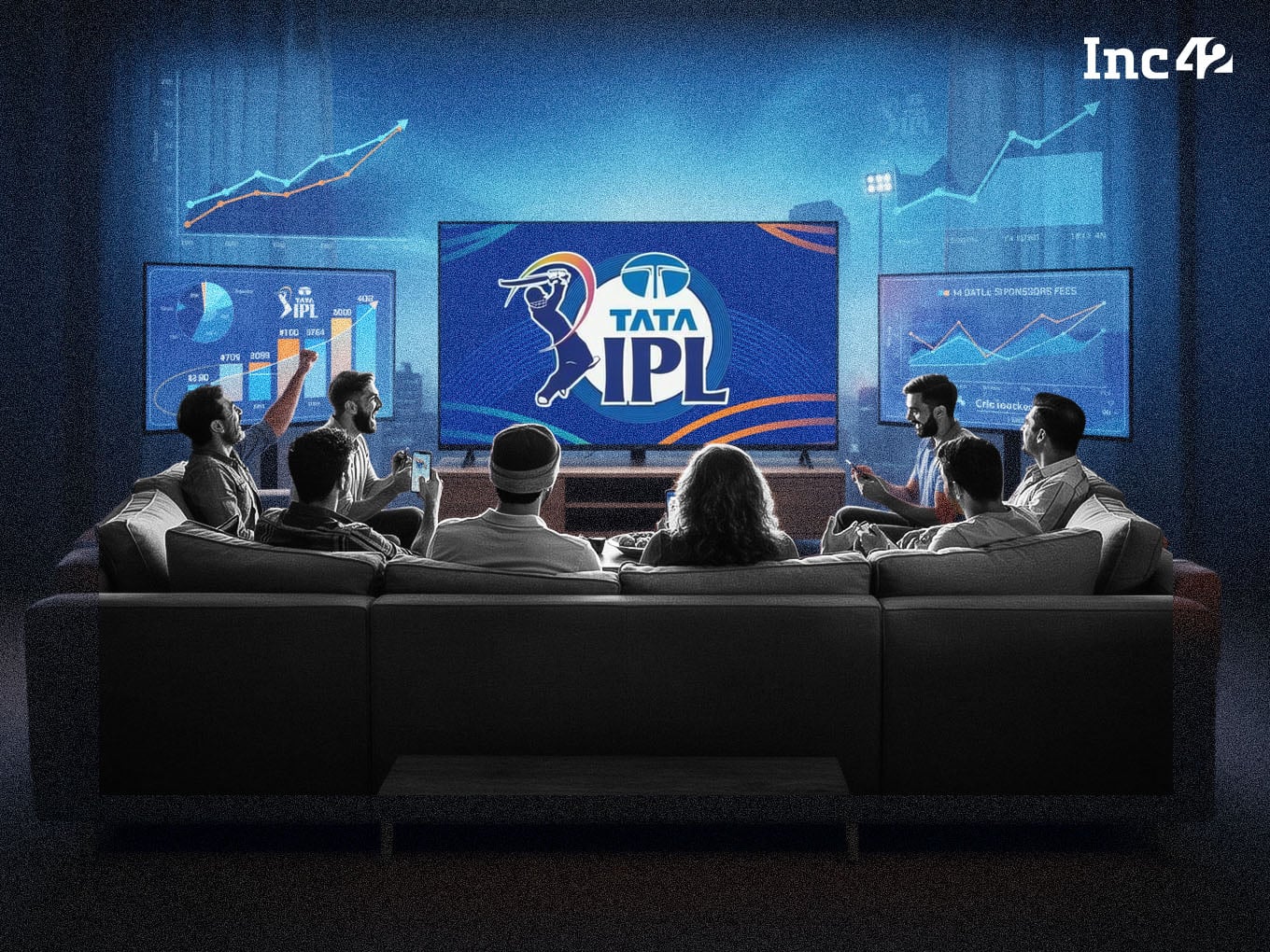
As India gears up for yet another high-octane season of the Indian Premier League (IPL), the digital arena is set to become the epicenter of the tournament's evolution. In 2026, IPL is transitioning from a traditional television spectacle into an AI-powered digital ecosystem, where the primary screen—phones, tablets, or smart TVs—is just one part of a multi-layered, immersive experience. Fans are no longer just watching the match; they are tracking statistics, asking AI for context, sharing clips, and buying merchandise mid-game. The tournament is turning into a real-time, "second-screen" economy where attention is fragmented, intent is immediate, and AI is increasingly becoming the layer tying it all together.
Second-screen viewing, once a peripheral habit, is now reshaping how Indian audiences engage with live sports. Traditionally, second-screen activities might have included sharing memes or scrolling through social media platforms like X to see what experts and other users were saying about key moments in a match. However, this behavior has evolved into a far more sophisticated, real-time engagement layer. With the rise of AI-driven tools and personalized content, fans are now able to dive deeper into the game, accessing detailed analytics, receiving instant recommendations, and connecting with fellow enthusiasts in ways that were previously unimaginable.
The Second-Screen Revolution
For years, second-screen viewing was seen as a niche activity, but now it has become integral to the way cricket is consumed in India. According to industry experts, 55% of viewers watch IPL on TV, while 54% opt for streaming platforms. Crucially, over 90% of these viewers are active on a second screen, such as Snapchat or other parallel platforms, where they drop raw, real reactions, connect with friends, and feel the buzz live. This shift is not just a trend but a transformation in how audiences interact with live sports events.
The rise of AI in the second-screen ecosystem is driving this change. AI-powered platforms are now offering hyper-personalized experiences, providing fans with real-time updates, match insights, and even suggesting the best angles to view key plays. This level of engagement is transforming the way brands and advertisers approach the IPL. OTT platforms and AI companies are doubling down on this shift for the latest edition of the IPL, which generated an estimated ₹6,000 Cr in ad revenues last year.
The phygital era
As the IPL enters its 2026 season, we are witnessing the rise of a phygital era—a blend of physical and digital experiences—where a hyper-personalized, AI-driven second-screen ecosystem takes center stage. This shift is not limited to IPL; it is a broader trend in the way live sports events are being consumed globally. With the proliferation of smartphones and the increasing reliance on digital platforms, the second-screen economy is set to grow exponentially.
The impact of AI in this ecosystem is significant. AI-driven tools are enabling fans to engage more deeply with the game, accessing information and content that caters to their specific interests. This personalization not only enhances the viewer experience but also opens up new avenues for advertisers to target audiences more effectively. Brands are now leveraging AI to create tailored campaigns that resonate with fans in real-time, further deepening their connection to the event.
The future of IPL and beyond
The evolution of IPL into an AI-led second-screen economy is a testament to the power of technology in transforming traditional media consumption habits. As the tournament progresses, fans will continue to experience a multi-layered, immersive experience that blends the best of live sports with the conveniences of digital engagement. This shift is not just a game-changer for IPL but also sets a precedent for other live sports events worldwide.
In conclusion, the 2026 IPL season marks the beginning of a new era in sports broadcasting, where AI-driven second-screen experiences are redefining how fans engage with the game. This transformation is not only enhancing the viewer experience but also creating new opportunities for brands and advertisers to connect with audiences in innovative ways. As the tournament unfolds, the AI-led second-screen economy is poised to take center stage, reshaping the future of live sports entertainment in India and beyond.