Iyer's T20I Captaincy Challenged by Patidar After IPL 2026
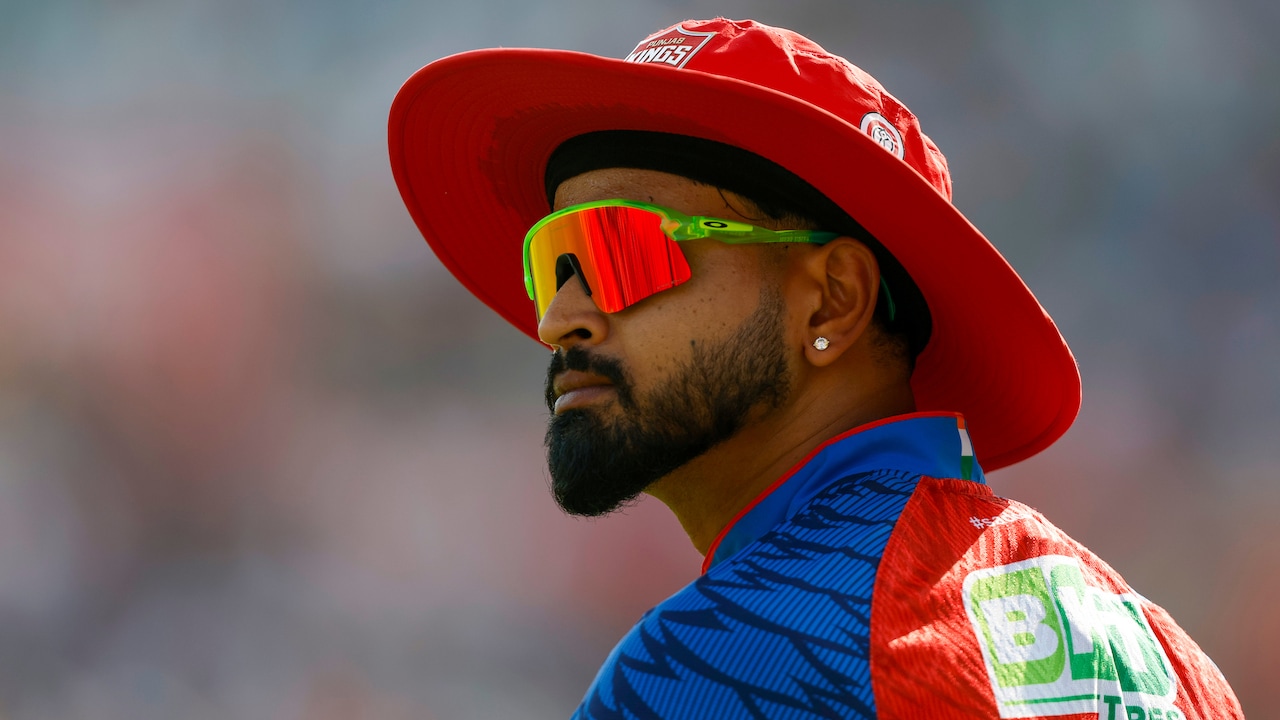
The race for India's next T20I captaincy has intensified, with Shreyas Iyer, long considered the top favourite, now facing an unexpected challenge from Rajat Patidar, whose impressive run in IPL 2026 has reportedly thrust him into contention.
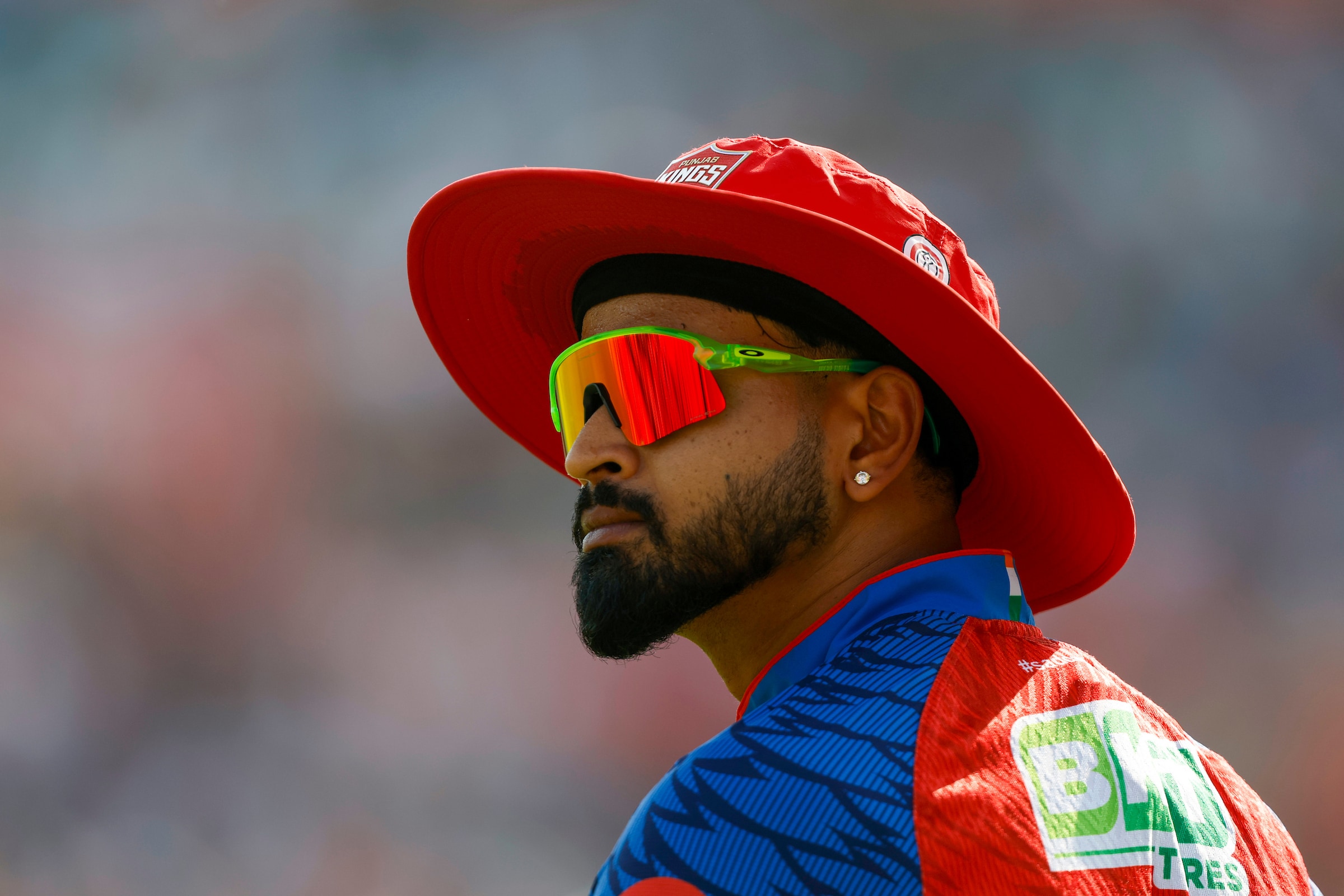
The landscape of Indian cricket leadership is once again a topic of fervent discussion, with the coveted T20 International captaincy reportedly at the heart of a burgeoning debate. While Shreyas Iyer has consistently been highlighted as the foremost contender for this significant role, recent developments, particularly those emerging from the ongoing Indian Premier League (IPL) 2026 season, suggest that his path to captaincy might not be as clear-cut as once perceived. Reports indicate a new and unexpected challenger has entered the fray, adding an intriguing layer of complexity to the selection process.
For any cricketer, leading the national side, especially in the fast-paced T20 format, represents the pinnacle of their career. The responsibilities are immense, demanding not only exceptional on-field performance but also astute tactical acumen, the ability to inspire a diverse squad, and unwavering composure under pressure. India's T20I captaincy carries the weight of a billion expectations, making the selection a critical decision for the national selectors and the Board of Control for Cricket in India (BCCI).
Shreyas Iyer's position as the "top favourite" for the T20I captaincy has been well-documented. His journey in domestic and international cricket has seen him take on leadership roles, showcasing a temperament often deemed suitable for the top job. Observers have frequently pointed to his consistent performances and understanding of the game as key attributes that place him at the forefront of the captaincy discussion. His experience, both as a player and a leader, has reportedly solidified his standing as the primary candidate in the eyes of many.
However, the narrative has reportedly shifted with the emergence of Rajat Patidar as a "late challenger." The term "late" suggests a recent surge in form or a series of standout performances that have unexpectedly propelled him into the national leadership conversation. While specific details of his exploits are not available, it is understood that his showings in the IPL 2026 have been significant enough to warrant serious consideration, challenging the established hierarchy and injecting fresh energy into the debate.
The IPL, often dubbed the ultimate proving ground for Indian talent, is reportedly playing a crucial role in fueling this leadership debate. The high-stakes environment of the tournament provides an unparalleled platform for players to demonstrate not only their individual skills but also their leadership qualities, decision-making abilities, and capacity to perform under intense scrutiny. A player's ability to lead a franchise effectively, manage pressure situations, and contribute consistently can significantly influence their prospects for national captaincy.
Selectors, when considering a T20I captain, typically look beyond mere statistics. They seek individuals who can lead from the front, strategize effectively in dynamic match situations, foster team cohesion, and maintain a calm demeanor when the game hangs in the balance. The captain's vision and ability to implement it on the field are paramount in the shortest format, where every decision can have immediate and profound consequences. The current debate highlights the search for a leader who embodies these multifaceted qualities.
The dilemma for the selectors is now reportedly more complex. Do they stick with the established favourite, Shreyas Iyer, whose credentials have been built over time, or do they opt for the fresh impetus and potential offered by an emerging talent like Rajat Patidar, whose recent performances have made an undeniable impact? This decision is not merely about choosing a captain but about charting the future direction of India's T20I side, balancing experience with the dynamism of new talent.
The broader implications of such a leadership debate extend beyond the individuals involved. It underscores the depth of talent within Indian cricket and the continuous evolution of its leadership pool. A healthy competition for key roles often pushes players to elevate their game, ultimately benefiting the national team. The ongoing discussion around the T20I captaincy serves as a testament to the vibrant and competitive nature of Indian cricket.
As the IPL 2026 progresses and the national selectors deliberate, the cricket fraternity watches with keen interest. While Shreyas Iyer remains the reported frontrunner, the compelling emergence of Rajat Patidar, driven by his stellar IPL performances, has undeniably added a captivating new dimension to the T20I captaincy race. The final decision will undoubtedly shape India's strategy and aspirations in the shortest format for the foreseeable future, marking a pivotal moment in the team's journey.