
Interview mit HKW-Intendant Bonaventure Soh Bejeng Ndikung: „Ich bin ein hoffnungsloser Optimist“
Warum sich dem Kolonialismus keiner entziehen kann: Der Leiter des Hauses der Kulturen der Welt über rechte Angriffe im Netz, Heimatgefühle und Tanz als Form der Politik.
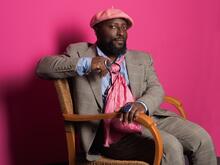
Bonaventure Soh Bejeng Ndikung, the Intendant of the Haus der Kulturen der Welt (HKW) in Berlin, recently sat down for an interview where he discussed a range of topics, from the challenges posed by right-wing attacks online to the role of dance as a political form. Ndikung, a scholar and curator known for his work on postcolonial theory, shared his perspective on how everyone is inextricably linked to the legacy of colonialism and the importance of nurturing hope amidst adversity.
The conversation began with the topic of right-wing extremism and its impact on cultural institutions. Ndikung highlighted the ongoing threats that the HKW faces from far-right groups, who have targeted the institution for its diverse programming. He explained that these attacks are not merely directed at the HKW but are part of a broader strategy to undermine cultural pluralism and marginalize voices that challenge dominant narratives. Despite these challenges, Ndikung remains resolute in his commitment to fostering dialogue and inclusivity. He emphasized that the HKW's mission is to create spaces where people from different backgrounds can engage with each other, challenging the divisive rhetoric that often dominates public discourse.
As the conversation shifted to the theme of home and belonging, Ndikung reflected on the complex emotions that many people experience when confronted with their colonial pasts. He noted that the desire for a sense of belonging is a universal human need, but that it can be particularly fraught in societies that have been shaped by colonial histories. Ndikung argued that understanding and addressing these historical injustices is crucial for building a more equitable future. He stressed that cultural institutions, like the HKW, have a vital role to play in this process by providing platforms for artists and thinkers to explore and critique the legacies of colonialism.
One of the most intriguing aspects of the interview was Ndikung's discussion of dance as a form of political expression. He posited that dance, with its ability to transcend language and cultural barriers, is a powerful tool for engaging with political issues. Ndikung shared how dance can be used to challenge oppressive systems and inspire change. He cited examples of choreographers and performers who have used their art to address social injustices, such as racial inequality and systemic violence.
Ndikung also touched upon his personal journey, describing himself as a "hopeless optimist." He acknowledged the challenges faced by many marginalized communities but remained convinced that change is possible through collective action and the power of art. He urged his audience not to be disheartened by the current political climate but to stay committed to the values of equality, justice, and solidarity.
In conclusion, the interview with Bonaventure Soh Bejeng Ndikung offered a thoughtful exploration of the interconnected issues of colonialism, cultural identity, and the role of art in shaping political realities. Ndikung's insights highlighted the importance of cultural institutions in fostering dialogue and challenging the status quo. As the HKW continues to navigate a landscape marked by political extremism and historical injustices, Ndikung's vision of a hopeful, inclusive future remains a beacon of resilience and optimism.








