Home ScienceInternational scientists head into the fast-lane o...
Science⭐ Featured

International scientists head into the fast-lane of Denmark’s burgeoning quantum ecosystem

Ambition and international talent converge as Denmark scales up in quantum science The post International scientists head into the fast-lane of Denmark’s burgeoning quantum ecosystem appeared first on Physics World .
7 April 2026 at 09:22 am
1 views
International scientists head into the fast-lane of Denmark’s burgeoning quantum ecosystem

Denmark is rapidly becoming a global hub for quantum science and innovation, with its burgeoning quantum ecosystem attracting international scientists and significant investment. The country's commitment to advancing quantum technologies is evident in its structured approach, with over 75 organizations collaborating through the Danish Quantum Community, a network that includes start-ups, research institutions, investors, and government agencies. This shared mission is driving the development of next-generation quantum technologies and applications.

A key factor in Denmark's quantum ambitions is the 55North fund, the world's largest venture-capital fund dedicated exclusively to quantum technologies. Launched in October 2023, 55North is headquartered in Copenhagen and backed by the Novo Nordisk Foundation and the Export and Investment Fund of Denmark (EIFO). The fund began with a €134 million capital injection, aiming for a total base of €300 million to support high-growth companies in the quantum supply chain, both within Denmark and internationally.

Workforce development is also a priority for Denmark, as the country recognizes the need to build a skilled and diverse quantum workforce. Universities, industry, and government partners are collaborating to train future quantum scientists and engineers, with the recruitment of international talent seen as crucial for long-term success.

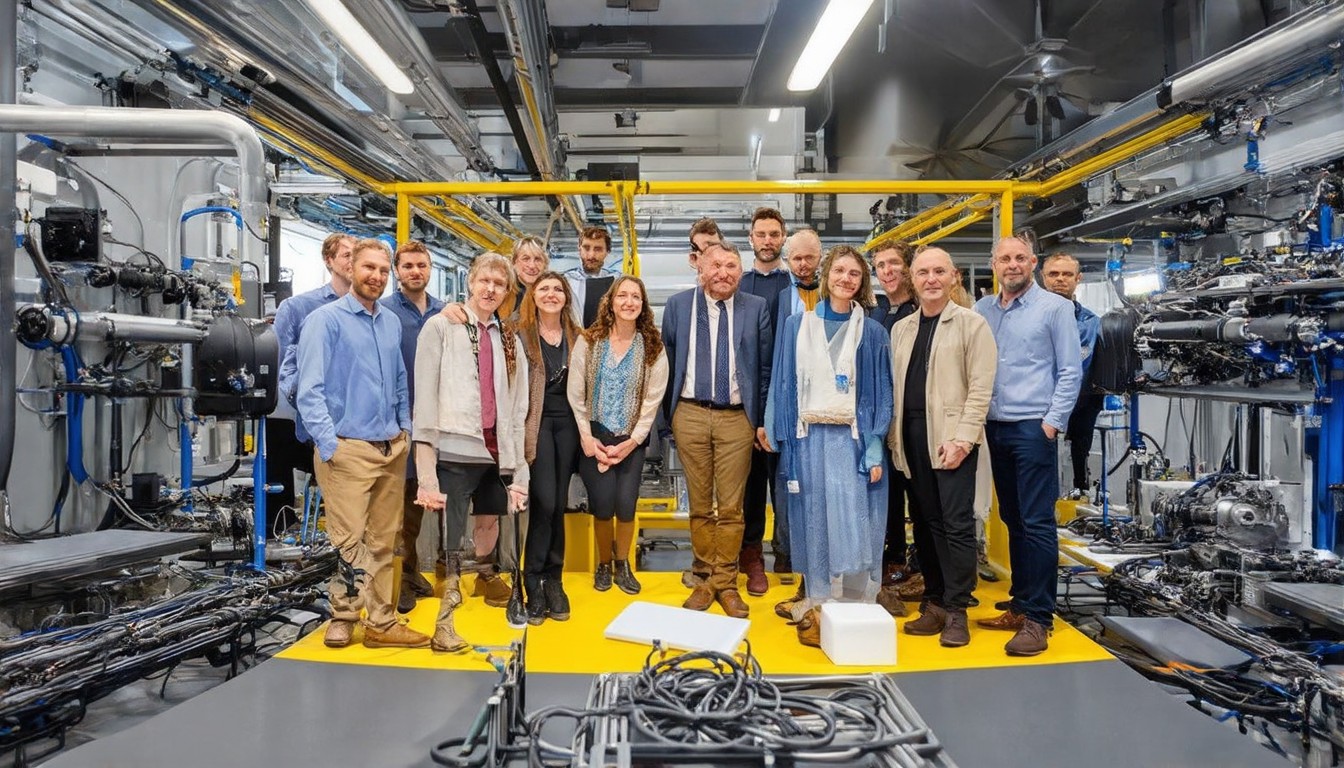
One example of this joined-up approach is Maria Cerdà Sevilla and her team at Quantum DTU, the Center for Quantum Technologies at the Technical University of Denmark (DTU) in Lyngby. Quantum DTU coordinates research activities for around 300 researchers and is at the forefront of translating advances in fundamental science and applied research into commercial innovations. The center's work is pivotal in shaping the trajectory of technology translation and commercial innovation in quantum science.

The Danish Quantum Community's efforts are not limited to research and funding. The government and private sector are working together to create a supportive ecosystem for quantum start-ups and scale-ups. This collaborative environment is essential for Denmark to maintain its position as a leader in the rapidly evolving quantum field.

In addition to fostering a strong research environment, Denmark is also investing in infrastructure and education. The country has established several quantum research centers, such as the Quantum Lab at the University of Copenhagen and the Quantum Technology Center at Aarhus University, which are attracting top international researchers. Furthermore, Danish universities are offering specialized quantum programs, ensuring a steady pipeline of skilled graduates.

The Danish approach to quantum science is not just about research and funding but also about building a sustainable and inclusive ecosystem. The government has set ambitious targets for the quantum sector, aiming to create thousands of jobs and drive economic growth. This vision is supported by a strong commitment to diversity and inclusion, with initiatives aimed at attracting and retaining a wide range of talents.

Denmark's quantum ambitions are being recognized on the global stage. The country has hosted several high-profile quantum conferences and events, further solidifying its position as a leader in the field. Additionally, Danish start-ups and companies are gaining international attention for their innovative quantum solutions, showcasing the potential of the Danish quantum ecosystem.

In conclusion, Denmark's quantum ecosystem is thriving, driven by a shared national mission, significant investment, and a commitment to building a skilled workforce. The country's collaborative approach, combining research, industry, and government, is setting a benchmark for how quantum science and innovation can be successfully advanced. As the field continues to evolve, Denmark's fast-lane momentum in the quantum space is poised to shape the future of technology and global economic growth.

📰 Related News
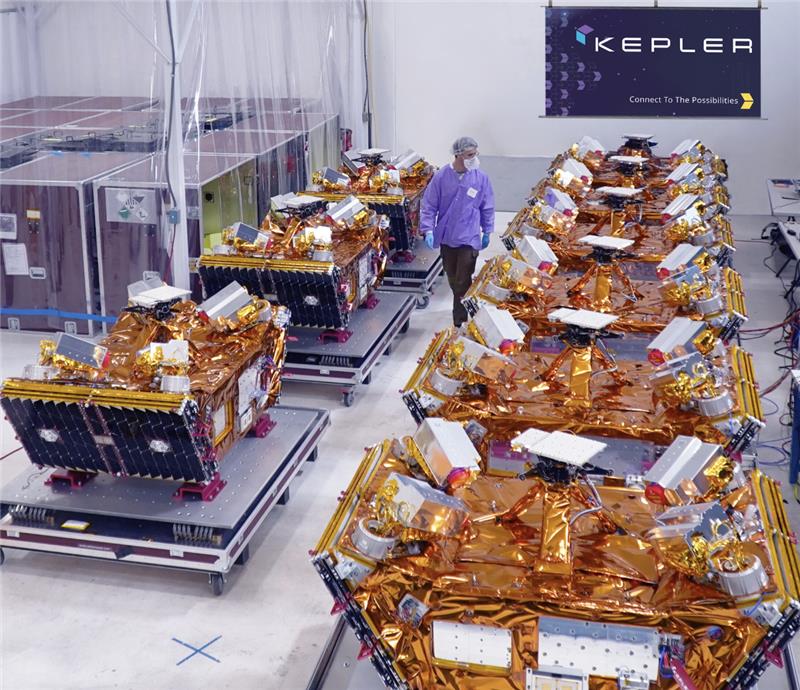
The largest orbital compute cluster is open for business | TechCrunch
Kepler Communications is flying 40 GPUs in Earth orbit. And its latest customer is Sophia Space.
14 Apr
‘Mideast conflict poses risks to Philippines growth’
The Philippine economy is expected to grow at a faster pace of 5.3 percent this year from last year’s 4.4 percent but the ongoing Middle East conflict is seen to pose risks, according to the Association of Southeast Asian Nations Plus 3 Macroeconomic Research Office.
7 Apr
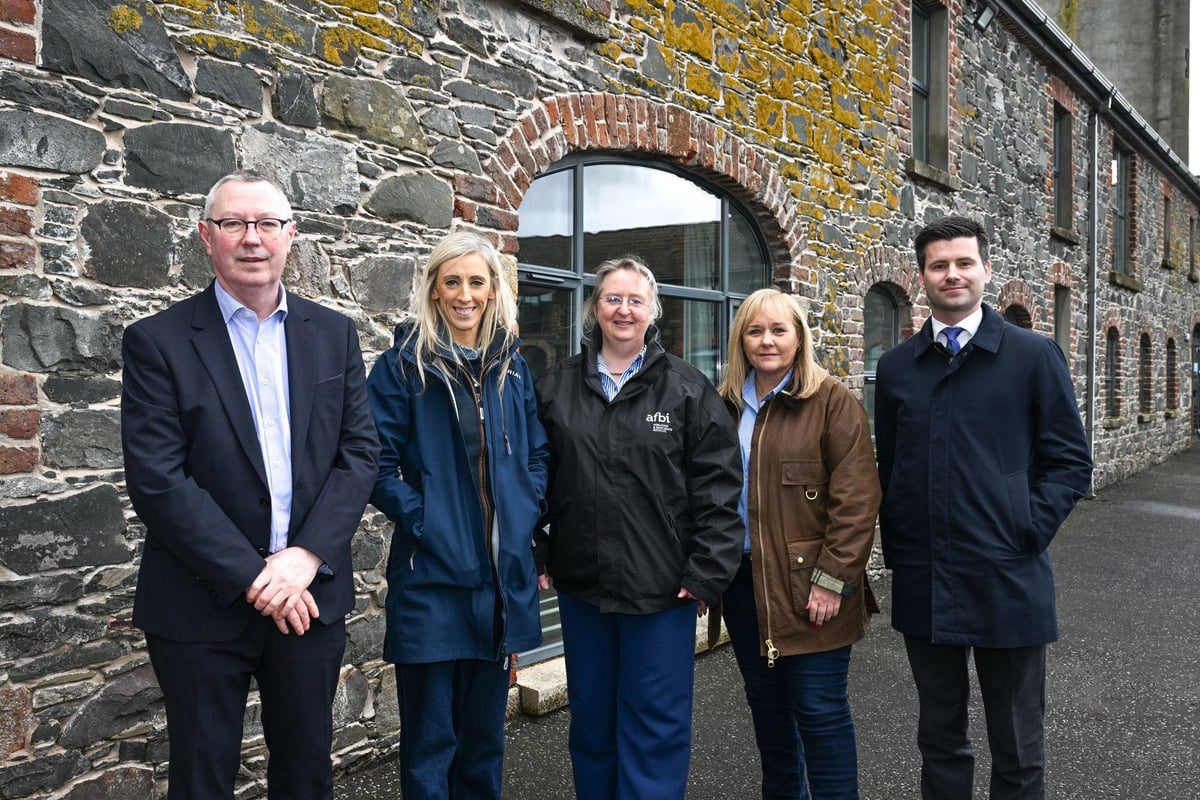
AFBI welcomes DUP representatives to its research farm at Hillsborough
The Agri-Food and Biosciences Institute (AFBI) welcomed a number of DUP representatives to its research farm at Hillsborough on Friday.
7 Apr
A simple way to get more value from metrics
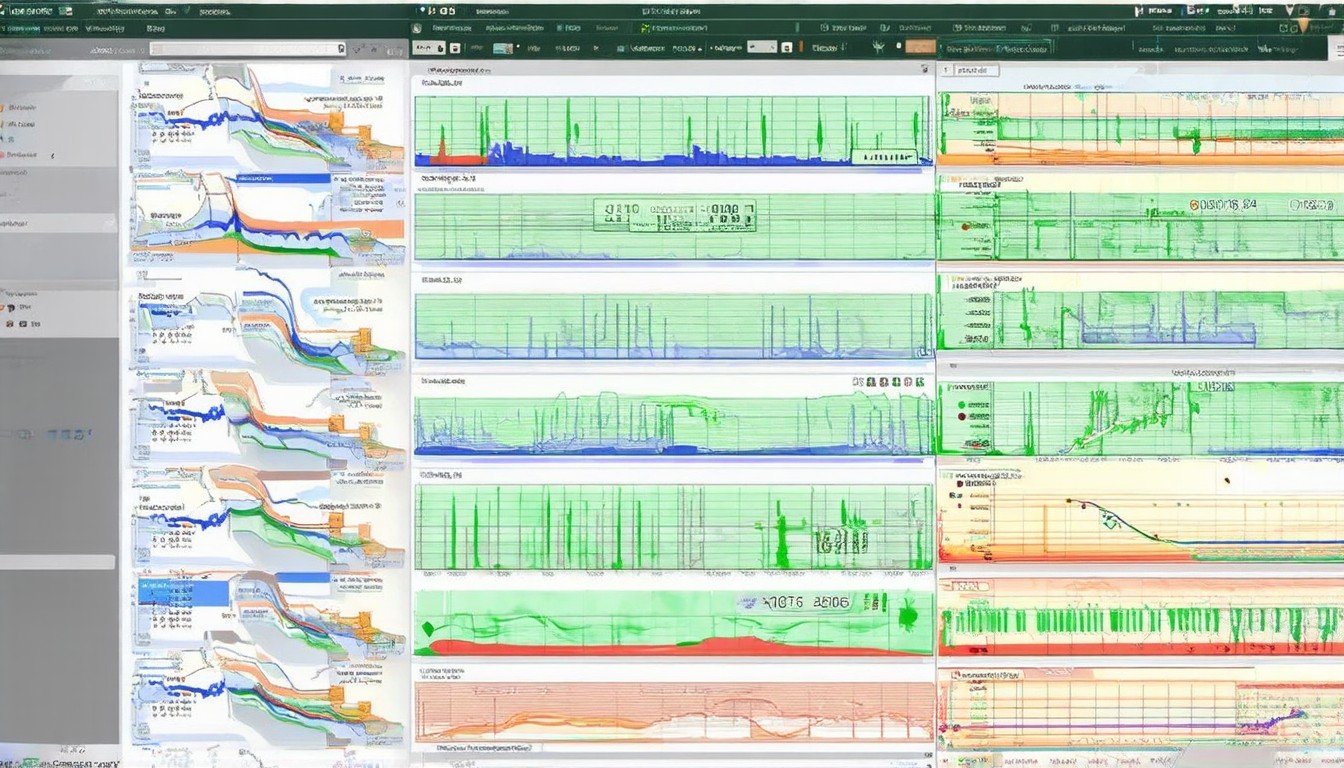
We spent one day 1 building a system that immediately found a mid 7 figure optimization (which ended up shipping). In the first year, we shipped mid 8 figures per year worth of cost savings as a result. The key feature this system introduces is the ability to query metrics data across all hosts and all services and over any period of time (since inception), so we've called it LongTermMetrics (LTM) internally since I like boring, descriptive, names. This got started when I was looking for a starter project that would both help me understand the Twitter infra stack and also have some easily quantifiable value. Andy Wilcox suggested looking at JVM survivor space utilization for some large services. If you're not familiar with what survivor space is, you can think of it as a configurable, fixed-size buffer, in the JVM (at least if you use the GC algorithm that's default at Twitter). At the time, if you looked at a random large services, you'd usually find that either: The buffer was too small, resulting in poor performance, sometimes catastrophically poor when under high load. The buffer was too large, resulting in wasted memory, i.e., wasted money. But instead of looking at random services, there's no fundamental reason that we shouldn't be able to query all services and get a list of which services have room for improvement in their configuration, sorted by performance degradation or cost savings. And if we write that query for JVM survivor space, this also
7 Apr
Accelerating Mathematical and Scientific Discovery with Gemini Deep Think
Research papers point to the growing impact of Deep Think across fields
7 Apr
Gemini 3 Deep Think: Advancing science, research and engineering
Our most specialized reasoning mode is now updated to solve modern science, research and engineering challenges.
7 Apr
Context Engineering for Coding Agents
The number of options we have to configure and enrich a coding agent’s context has exploded over the past few months. Claude Code is leading the charge with innovations in this space, but other coding assistants are quickly following suit. Powerful context engineering is becoming a huge part of the developer experience of these tools. Birgitta Böckeler explains the current state of context configuration features, using Claude Code as an example. more…
7 Apr
What does less protein and nitrogen mean for methane?
Does feeding less protein to cows over a longer period not only reduce nitrogen losses, but also affect methane emissions? Researchers at Wageningen University & Research (WUR) investigated this in a multi-year study with dairy cows, funded by the Vereniging Diervoederonderzoek Nederland (VDN), the Dutch Ministry of Agriculture, Fisheries, Food Security and Nature (LVVN), and […] The post What does less protein and nitrogen mean for methane? appeared first on Agriland.ie .
7 Apr
Second’s Bark Boasts New era of Bitcoin Payments, drawing in former Blockstream developers
Bitcoin Magazine Second’s Bark Boasts New era of Bitcoin Payments, drawing in former Blockstream developers Second, the Bitcoin development lab founded by ex-Blockstream executives including CEO Steven Roose and CTO Erik De Smedt, has unveiled Bark — its custom Ark protocol implementation promising self-custodial payments that are faster and cheaper than Lightning channels. This post Second’s Bark Boasts New era of Bitcoin Payments, drawing in former Blockstream developers first appeared on Bitcoin Magazine and is written by Juan Galt .
7 Apr
'Morale boost': Nasa carries out Moon mission during tough year for science
HOUSTON — As the four Artemis astronauts approached a high point of their lunar mission -- getting slung around the far side of the Moon -- National Aeronautics and Space Administration (Nasa) staffers crowded into Houston's famed mission control room Monday for a team photo.
7 Apr