
Intel to Buy Back Stake in Ireland Fab as AI-Era Strategy Sharpens
The $14.2 billion buyback unwinds a 2024 financing deal as Intel moves to reclaim control of critical AI-era chip manufacturing capacity.
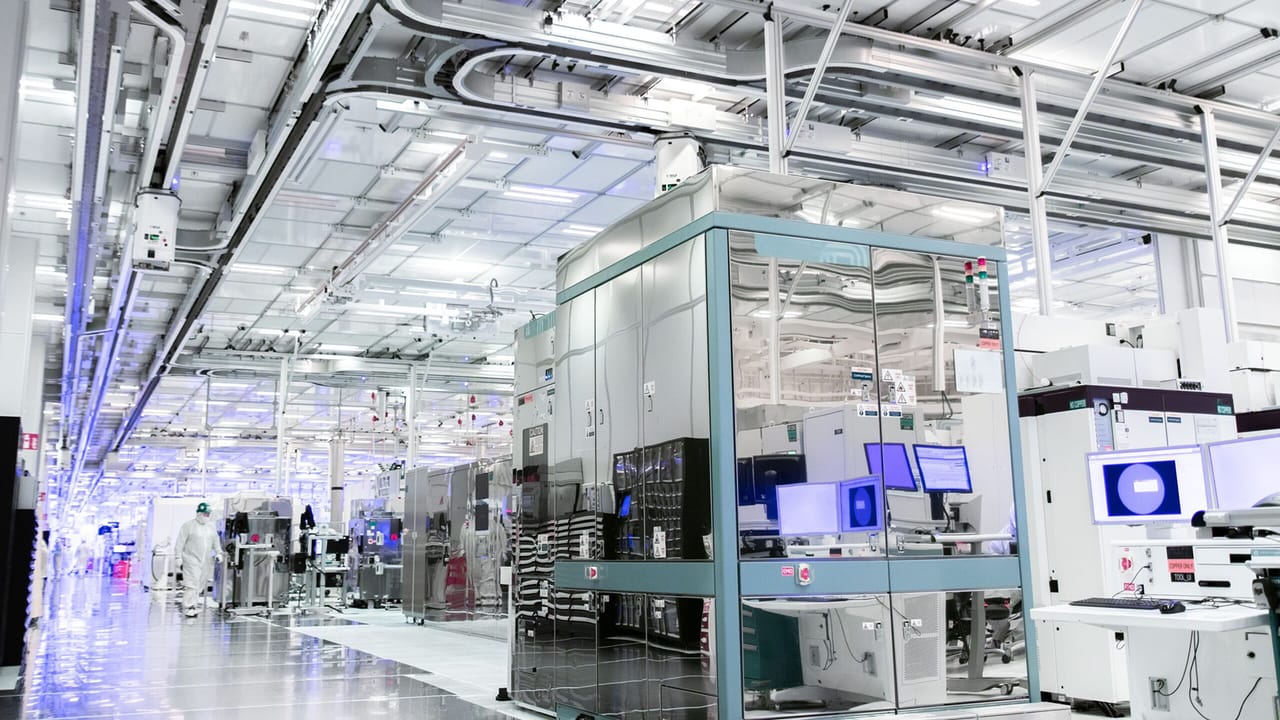
Intel, the global leader in semiconductor technology, has announced a $14.2 billion buyback to reacquire its stake in a key Irish fab plant, marking a strategic shift in its approach to the rapidly evolving AI-era. This move comes as the company seeks to solidify its position in the manufacturing of advanced chips that will power the next generation of artificial intelligence and computing technologies.
The decision to unwind a previously agreed-upon 2024 financing deal signals Intel's determination to maintain control over its manufacturing capacity, which is crucial in the current technological landscape. The AI-driven revolution has intensified competition among tech giants, with each company striving to secure the necessary infrastructure to produce the most advanced semiconductors. Intel's move to reclaim its stake in the Irish facility underscores its commitment to staying ahead in this race.
The Irish fab plant, located in Leixlip, is one of Intel's most significant manufacturing sites, capable of producing cutting-edge chips that meet the demands of the AI-era. By reacquiring its stake, Intel aims to ensure that its manufacturing capabilities remain aligned with its strategic goals and technological advancements. This move is particularly timely, as the global semiconductor industry faces unprecedented challenges, including supply chain disruptions and increased competition from emerging players.
The $14.2 billion buyback represents a substantial investment by Intel, highlighting its confidence in the long-term viability of the Irish facility. The company has indicated that it intends to leverage the plant's advanced production capabilities to meet the growing demand for AI-driven solutions, from data centers to consumer electronics. By retaining control of this critical manufacturing asset, Intel can better manage its production schedules and invest in the latest technologies to maintain its competitive edge.
This strategic decision also reflects Intel's broader AI-era strategy, which emphasizes the importance of vertical integration and control over its supply chain. By reacquiring its stake in the Irish fab plant, Intel can more effectively coordinate its research and development efforts with manufacturing capabilities, ensuring a smoother transition to the next generation of AI technologies. This vertical integration approach is becoming increasingly important in an industry where rapid innovation and efficient production are paramount.
The buyback announcement has been met with mixed reactions from industry analysts. Some experts praise Intel's proactive approach to securing its manufacturing capacity, while others express concerns about the financial implications of such a large investment. However, Intel's executives have emphasized that the move is necessary to safeguard its position in the AI-driven market and to ensure that it remains a leader in semiconductor technology.
In the context of the broader semiconductor industry, Intel's decision to reacquire its stake in the Irish fab plant is part of a larger trend toward increased vertical integration and control over manufacturing assets. As the demand for advanced chips continues to grow, companies are increasingly recognizing the importance of maintaining direct control over their production capabilities. This trend is likely to intensify in the coming years, as the AI-era accelerates the pace of technological innovation and competition.
Intel's $14.2 billion buyback to reclaim its stake in the Irish fab plant is a bold strategic move that underscores the company's commitment to staying at the forefront of the AI-era. By securing control of its manufacturing capacity, Intel can better position itself to meet the growing demand for advanced semiconductors and maintain its leadership in the global semiconductor market. As the industry continues to evolve, this decision will undoubtedly shape Intel's trajectory and its ability to adapt to the rapidly changing technological landscape.









