Insights into Agricultural Mechanization for Sustainable Agriculture
Sustainable agricultural mechanization is a game-changer for modern farming. By improving input use efficiency, reducing environmental impacts, and increasing economic returns, it paves the way for a more resilient and productive agricultural sector. The post Insights into Agricultural Mechanization for Sustainable Agriculture appeared first on Krishisewa .
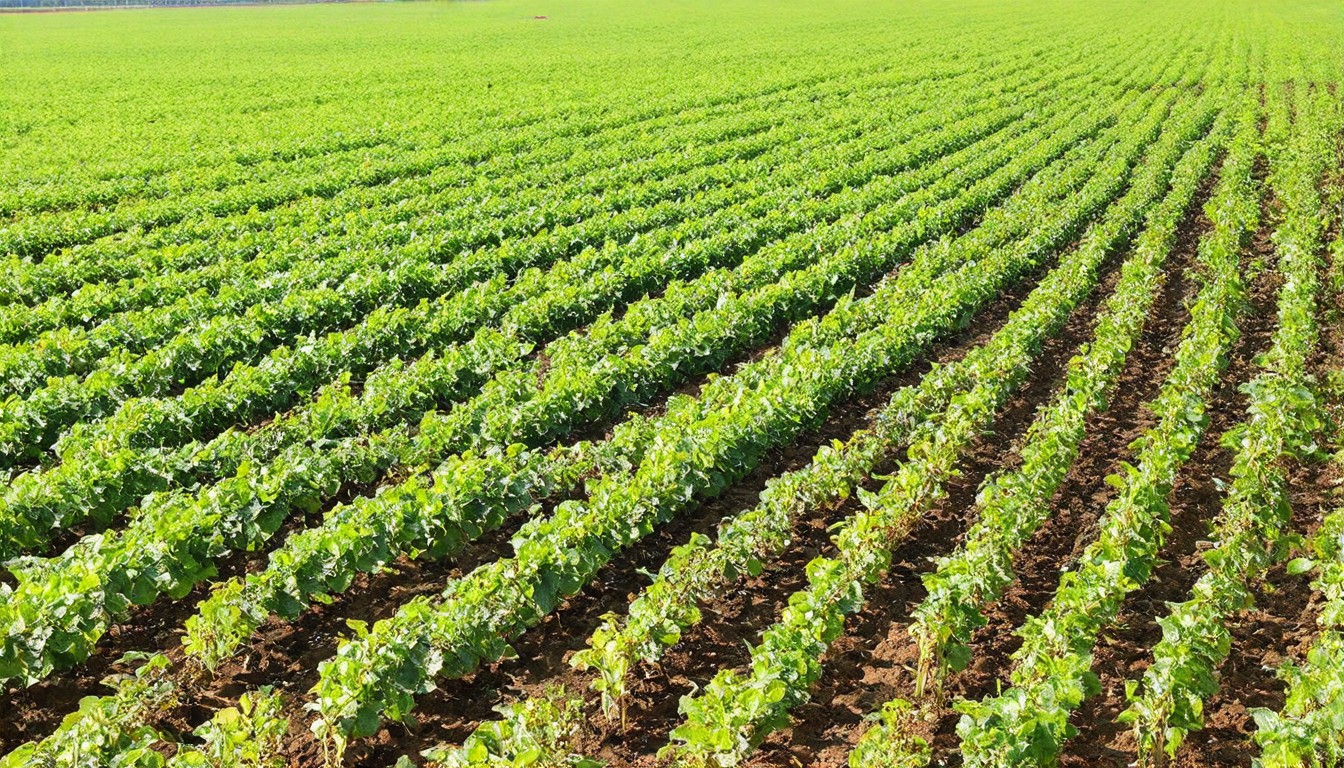
Agriculture is the backbone of many economies, providing food, employment, and raw materials for industries. However, challenges such as declining soil fertility, water scarcity, and labor shortages necessitate the adoption of efficient and sustainable farming practices. One such approach is sustainable agricultural mechanization, which enhances input use efficiency while reducing environmental impacts.
Farm mechanization is crucial to boost input use efficiency along with increased production and productivity. The farm mechanization level in India is 40%, with an average of 2.24 kW/ha farm power availability. On the other hand, Punjab has reached 4.4 kW/ha, whereas in the hills of Uttarakhand, it is 1.05 kW/ha (Modi, R.U. et.al., 2020). This disparity highlights the need for location-specific targets, objectives, and strategies to ensure equitable mechanization across different regions.
Sustainable agricultural mechanization refers to the use of energy-efficient and environmentally friendly machinery and tools to optimize farm operations. It integrates precision technologies, renewable energy sources, and conservation techniques to maximize productivity while minimizing waste and resource depletion.
The benefits of sustainable agricultural mechanization are manifold. Enhanced input efficiency is one of the primary advantages. Mechanized farming improves the precise application of inputs such as seeds, fertilizers, and water. Technologies like precision seed drills, variable rate applicators, and drip irrigation ensure optimal use, reducing wastage and enhancing crop yields. For instance, research has shown that precision agriculture technologies can reduce 20% and 15% in the cost of crop protection and fertilizer usage, respectively, without compromising productivity (Sanyaolu, M. and Sadowski, A. 2024). There is a positive relationship between the adoption of PA and farm returns for larger-scale farms.
Compared to uniform fertilizer treatment, precision application not only reduces chemical runoff but also improves nutrient uptake by plants, leading to healthier crops and better soil health. This, in turn, contributes to long-term sustainability by preserving soil fertility and reducing the need for chemical inputs.
Another significant benefit of sustainable agricultural mechanization is the reduction of environmental impacts. Traditional farming practices often involve excessive use of fossil fuels, leading to greenhouse gas emissions and air pollution. By adopting energy-efficient machinery and integrating renewable energy sources such as solar and wind power, farmers can significantly reduce their carbon footprint. For example, electric tractors and combine harvesters powered by renewable energy can drastically cut down emissions associated with fossil fuel-based equipment.
Moreover, sustainable mechanization promotes resource conservation. Techniques such as conservation tillage, mulching, and intercropping help maintain soil structure and moisture, reducing erosion and waterlogging. These practices not only enhance soil health but also contribute to carbon sequestration, mitigating climate change impacts.
Economically, sustainable agricultural mechanization offers substantial returns. While the initial investment in precision technologies and energy-efficient machinery may be high, the long-term savings in input costs and increased productivity can lead to significant economic gains. Farmers who adopt sustainable mechanization can expect higher crop yields, reduced waste, and improved market competitiveness.
However, the adoption of sustainable agricultural mechanization is not without challenges. Limited access to finance, lack of technical know-how, and high upfront costs often deter small-scale farmers from investing in modern technologies. To address these barriers, governments and development organizations must provide incentives, training, and financial support to encourage the adoption of sustainable mechanization practices.
In conclusion, sustainable agricultural mechanization offers a promising solution to the challenges faced by modern farming. By enhancing input efficiency, reducing environmental impacts, and increasing economic returns, it paves the way for a more resilient and productive agricultural sector. As the world continues to grapple with food security, climate change, and resource scarcity, sustainable mechanization will play a crucial role in ensuring the long-term viability of agriculture and supporting food production for growing global populations.