Inside the Prediction Markets: $1.6B Institutional Inflow Meets a Federal Crackdown
The CFTC's enforcement chief stood at a podium this week and told the room that insider trading on prediction markets is illegal, prosecutable, and a top-five agency priority. He said he is hiring more staff to bring cases. The same week, Intercontinental Exchange completed its $1.6 billion investment in Polymarket, Kalshi won approval to offer margin trading to institutional clients, and Gibraltar became the first jurisdiction outside the US to license a prediction market operator. The industry got a regulatory warning and a wave of institutional capital in the same seven days. Here's what mattered this week. What Moved the Prediction Markets This Week The CFTC Names Its Target On March 31, David Miller, the CFTC's newly appointed enforcement chief, gave a public speech at New York University's School of Law. He said insider trading on platforms like Kalshi and Polymarket is illegal — a direct rebuttal to a view circulating in finance and social media circles that prediction markets operate in a regulatory gray zone. He listed insider trading as the first of the CFTC's top five enforcement priorities and said the agency is actively hiring to expand its capacity to bring cases. He also announced a simplified cooperation policy — one that would allow platforms and traders to avoid penalties through full cooperation — to supersede the previous version issued 13 months ago. The speech came after Kalshi disclosed two enforcement actions earlier this year: a California gubernatorial candidate fined $2,246 and suspended for five years, and a
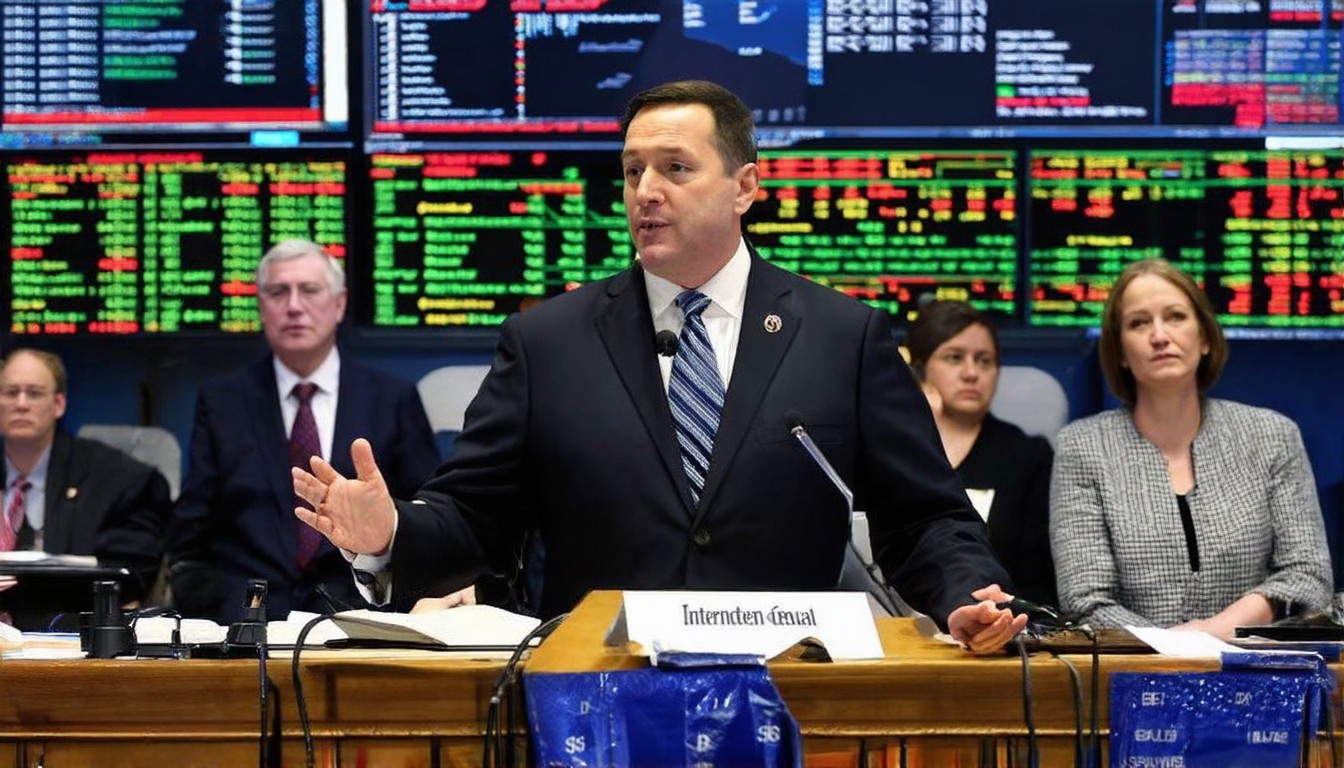
In the past week, the world of prediction markets has been both warned and bolstered by a mix of regulatory scrutiny and significant institutional investment. On March 31, David Miller, the Commodity Futures Trading Commission (CFTC)’s newly appointed enforcement chief, delivered a public speech at New York University’s School of Law. In his address, Miller made it clear that insider trading on platforms such as Kalshi and Polymarket is illegal, directly challenging the notion that prediction markets exist in a regulatory gray area. He listed insider trading as the first of the CFTC’s top five enforcement priorities and announced that the agency is actively hiring to expand its capacity to bring cases.
Miller’s speech followed Kalshi’s disclosure of two enforcement actions earlier this year. A California gubernatorial candidate was fined $2,246 and suspended for five years, while a MrBeast editor was fined $20,397 and suspended for two years. The CFTC’s enforcement chief also introduced a simplified cooperation policy, which would allow platforms and traders to avoid penalties through full cooperation, replacing the previous version issued 13 months ago.
Despite the regulatory warning, the same week saw a wave of institutional capital flowing into the prediction market space. On March 27, Intercontinental Exchange (ICE) completed its investment in Polymarket, finalizing a deal first announced in October 2025. This agreement positions ICE as the distributor of Polymarket’s event-driven data and analytics, marking a significant milestone for the platform.
Additionally, Kalshi received approval to offer margin trading to institutional clients. Margin trading allows traders to invest with borrowed funds, increasing their potential returns while also amplifying their risk. This move signals a shift towards institutional involvement in prediction markets, which have traditionally been dominated by retail investors.
Furthermore, Gibraltar became the first jurisdiction outside the US to license a prediction market operator. This development highlights the growing global interest in prediction markets and the need for regulatory frameworks to adapt to their expansion.
The contrasting messages of regulatory scrutiny and institutional investment underscore the complex landscape facing prediction markets. While the CFTC is taking a firm stance against insider trading, the industry is simultaneously experiencing significant growth and maturation. As more institutional players enter the space, the balance between regulation and innovation will be crucial in shaping the future of prediction markets.
The recent actions by the CFTC and the influx of institutional capital demonstrate that prediction markets are no longer a niche area of interest. They are now a dynamic and rapidly evolving sector that requires careful regulation to ensure fairness and transparency. As the industry continues to grow, it will be important for regulators, platform operators, and traders alike to navigate these challenges collaboratively to build a sustainable and trustworthy ecosystem.
In the midst of these developments, the case of MrBeast, a popular YouTube personality, drew attention when Senator Elizabeth Warren publicly stated, “I have questions for MrBeast.” This highlights the increasing scrutiny that high-profile traders and influencers are facing, as regulators and the public alike seek to ensure that prediction markets operate fairly and without exploitation.
As prediction markets continue to gain traction, the interplay between regulatory enforcement and institutional investment will shape their trajectory. The CFTC’s clear stance against insider trading, coupled with the industry’s recent growth milestones, sets the stage for a complex and evolving landscape. The ability of prediction markets to adapt to regulatory requirements while attracting institutional capital will be a key factor in determining their long-term success and acceptance in the financial ecosystem.