
Inflation in Rome, Weimar Germany and Soviet Russia with Mark Koyama
Episode 12 of of the Works in Progress podcast is about how inflation undermines state capacity.
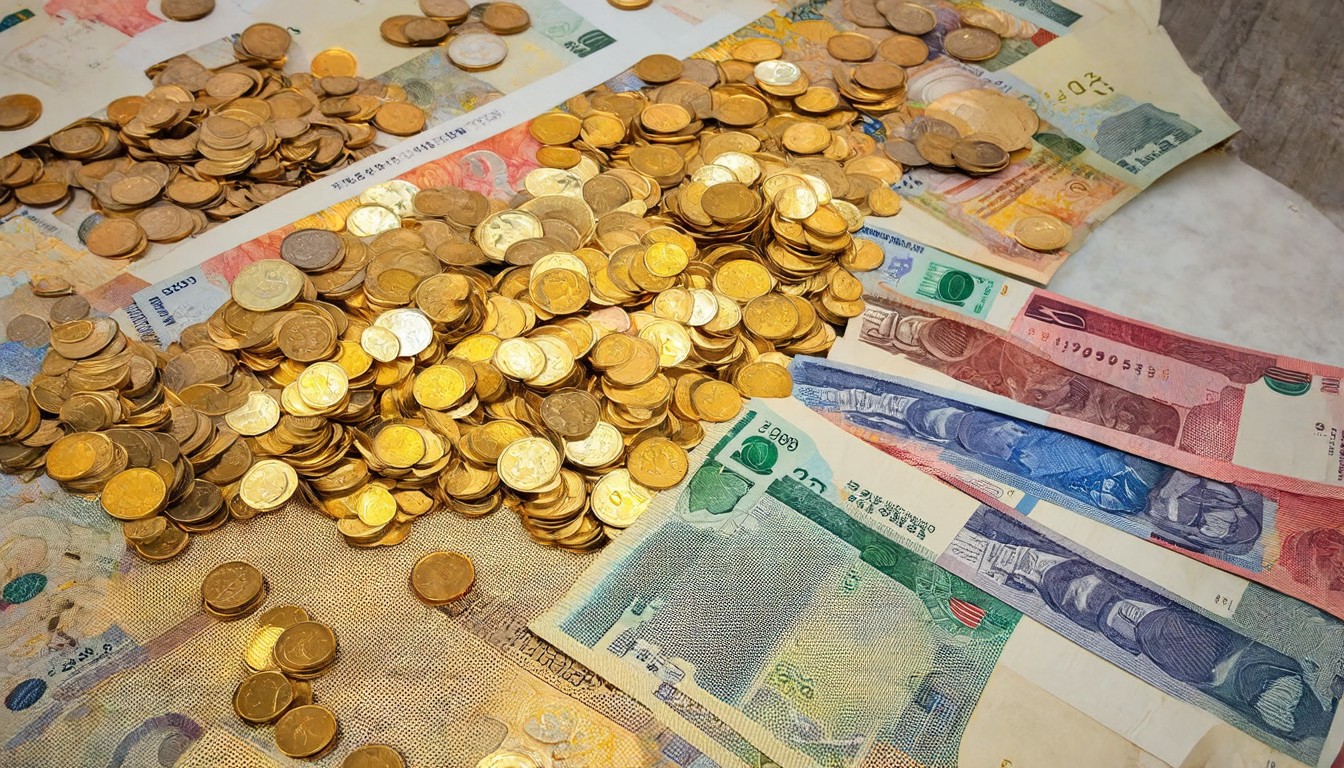
In the latest episode of the Works in Progress podcast, hosts Ben and Pieter delve into the destructive impact of inflation on state capacity, drawing on the historical examples of the Roman Empire, Weimar Germany, and Soviet Russia. Guided by economic historian Mark Koyama, the episode explores how inflation erodes public trust in government institutions, leading to social unrest and political extremism.
The podcast begins by highlighting the universal disdain for inflation, a phenomenon that not only devalues people's savings but also undermines the government's ability to execute critical projects. In democracies, high inflation rates often result in voters turning to extremist parties, as they seek radical solutions to economic woes. Ben, one of the hosts, even reveals his hidden libertarian "Gold Bug" tendencies, reflecting the belief that a return to the gold standard could stabilize economies.
Mark Koyama, the guest on the episode, provides valuable insights into the historical context of inflation crises. He starts by examining the Roman Empire, where hyperinflation in the third century led to the collapse of the state. The Roman government resorted to devaluing its currency by reducing the silver content of coins, a practice known as "debasing the currency." This led to widespread economic chaos, as prices soared and the social order began to unravel. The empire's inability to manage this crisis ultimately paved the way for its eventual fall.
Moving forward in time, the podcast turns its attention to Weimar Germany, which experienced catastrophic hyperinflation in the early 1920s. The German government's decision to print money to pay off reparations imposed by the Treaty of Versailles led to a rapid devaluation of the mark. By November 1923, the value of the currency had plummeted to such an extent that people needed wheelbarrows of money to buy basic goods. This economic turmoil created widespread public anger and disillusionment with the Weimar Republic, setting the stage for the rise of Adolf Hitler and the Nazi Party.
The episode then shifts focus to Soviet Russia, where hyperinflation occurred in two distinct waves: in the early 1920s and again in the late 1980s. During the first wave, the Bolshevik government's heavy taxation and the destruction of the private sector led to a collapse of the money supply. To combat this, the government introduced the "Ch Bernie," a substitute currency for bread, which further eroded public confidence in the state. The second wave of inflation in the late 1980s was a result of Mikhail Gorbachev's reforms, which attempted to introduce market elements into the centrally planned economy. However, these reforms inadvertently led to a surge in prices, causing widespread hardship and contributing to the eventual dissolution of the Soviet Union.
Throughout the episode, Koyama emphasizes that inflation is not just an economic issue but a political one as well. It undermines the state's ability to deliver public services and enact policies, leading to a loss of faith in democratic institutions. The podcast concludes by reflecting on the lessons learned from these historical crises, urging policymakers to be cautious in their economic decisions and prioritize long-term stability over short-term gains.
The Works in Progress podcast's exploration of inflation in Rome, Weimar Germany, and Soviet Russia offers a compelling reminder of the far-reaching consequences of economic instability. By drawing on the insights of economic historian Mark Koyama, the episode highlights the importance of maintaining public trust in government and the dangers of allowing inflation to spiral out of control. Listeners can enjoy the full episode on Spotify, Apple Podcasts, and YouTube.









