
Industrial-Scale Fake Coretax Apps Drive $2m Fraud in Indonesia
Fraud campaign exploiting Indonesia’s Coretax resulted in $1.5m to $2m in losses via malicious apps
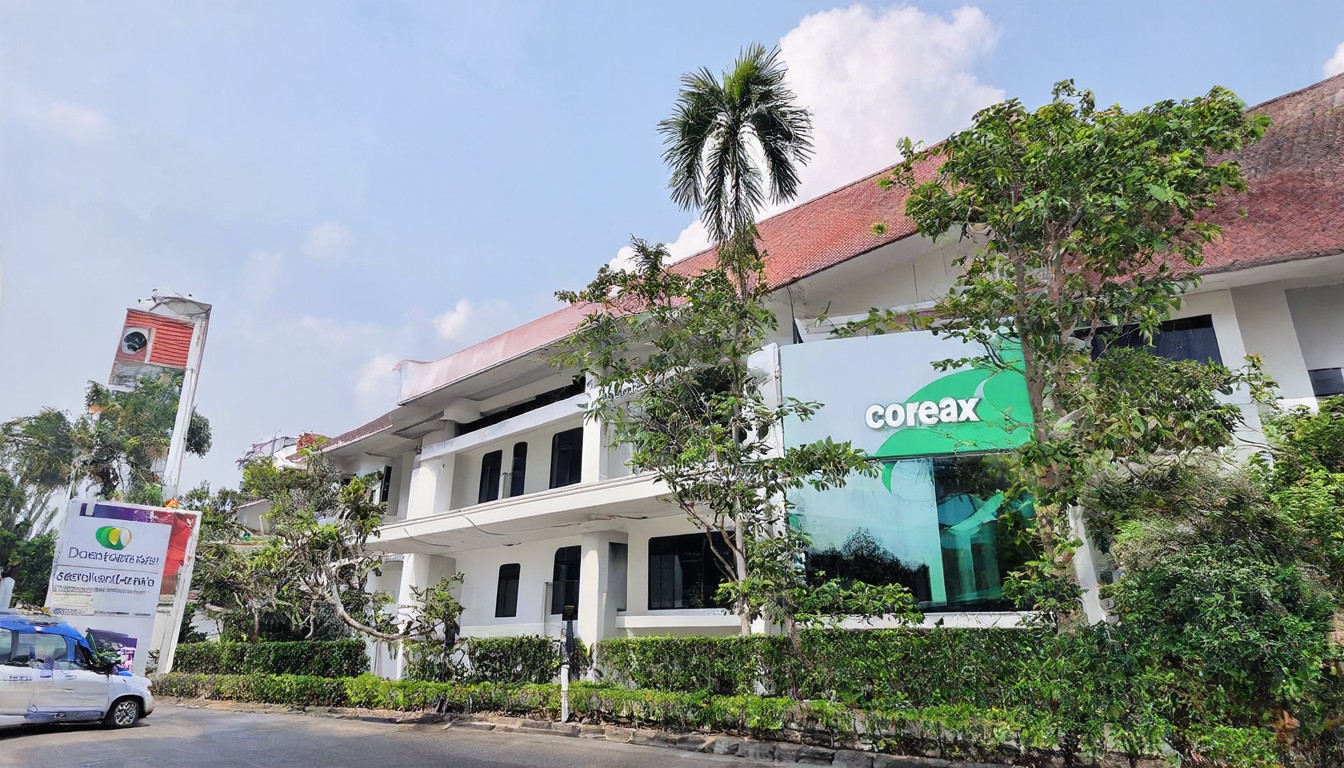
Industrial-Scale Fake Coretax Apps Drive $2m Fraud in Indonesia
In recent weeks, Indonesia has become the target of a sophisticated fraud campaign that exploits the country's Coretax system, resulting in significant financial losses estimated between $1.5 million and $2 million. The scam involves the use of malicious apps that impersonate legitimate Coretax applications, luring unsuspecting users into divulging sensitive information or making unauthorized transactions.
Coretax, a tax collection platform operated by the Indonesian government, has been a popular tool for businesses to manage and pay their taxes. However, the fraudsters have capitalized on this system's widespread use to create fake apps that mimic the official Coretax interface. These malicious applications are distributed through various app stores and online marketplaces, often disguised as legitimate updates or alternative versions of the official app.
Once users download and install these fake apps, they are prompted to enter their login credentials, which are then intercepted by the fraudsters. This allows the perpetrators to gain unauthorized access to the victims' Coretax accounts, enabling them to manipulate tax transactions, withdraw funds, or even commit further financial crimes.
The scale of the fraud has been industrial-sized, with multiple teams of fraudsters working together to develop, distribute, and maintain the fake apps. These teams are believed to be operating from different regions, leveraging advanced cybersecurity techniques to evade detection by both the Indonesian authorities and the official Coretax system.
The Indonesian government has been actively working to combat this fraud, with the Ministry of Finance and the National Cyber Agency collaborating to enhance the security of the Coretax platform. They have also launched public awareness campaigns to educate businesses and taxpayers about the risks associated with using unauthorized apps and the importance of verifying the authenticity of software before installation.
Despite these efforts, the fraudsters have continued to adapt their tactics, constantly updating their malicious apps to evade detection and exploit new vulnerabilities in the Coretax system. The fraud has had a significant impact on the Indonesian economy, as businesses have been forced to divert resources to address the financial losses and secure their systems against further attacks.
In response to the fraud, the Indonesian authorities have increased their surveillance and enforcement efforts, targeting both domestic and international cybercriminal networks involved in the scam. They have also worked closely with international partners, including law enforcement agencies and cybersecurity experts, to dismantle the fraudulent operations and recover the stolen funds.
The Coretax fraud highlights the growing threat of cybercrime in Indonesia and the need for robust cybersecurity measures to protect critical government systems and sensitive data. As the country continues to develop its digital infrastructure, it is crucial for both the government and businesses to remain vigilant and invest in advanced security technologies to prevent future attacks.
In conclusion, the industrial-scale fraud targeting Indonesia's Coretax system has resulted in substantial financial losses and underscored the importance of cybersecurity in protecting government platforms and taxpayers' data. While authorities are taking steps to combat the fraud, the challenge remains to ensure the long-term security of the Coretax system and prevent similar attacks in the future.








