Durga Temple Hundi Collections Exceed ₹3.25 Cr in Vijayawada
The revered Sri Durga Malleswara Swamy Varla Devasthanam in Vijayawada has reported a significant hundi income exceeding ₹3.25 crore within a span of just over two weeks, from May 18 to June 3, underscoring the unwavering faith of devotees.
The sacred precincts of Sri Durga Malleswara Swamy Varla Devasthanam, perched majestically atop Indrakeeladri hill in Vijayawada, have once again become a testament to the profound faith of devotees. The temple administration has officially announced a remarkable hundi income, surpassing ₹3.25 crore, collected over a concentrated period from May 18 to June 3. This substantial offering underscores the enduring spiritual connection pilgrims hold with this revered shrine, reflecting a continuous flow of devotion and generosity.
Sri Durga Malleswara Swamy Varla Devasthanam is not merely a place of worship; it stands as a cultural and spiritual landmark in Andhra Pradesh. Drawing pilgrims from across the region and beyond, the temple is dedicated to Goddess Kanaka Durga and Lord Malleswara Swamy, embodying centuries of tradition and spiritual significance. Its strategic location overlooking the Krishna River adds to its serene and sacred ambiance, making it a focal point for religious observances and festivals throughout the year.
The hundi system, an integral part of temple economics across India, serves as a direct channel for devotees to express their reverence and gratitude. These collection boxes, strategically placed within the temple premises, receive a myriad of offerings ranging from monetary donations in various denominations to precious metals like gold and silver, and sometimes even foreign currency. Each contribution, regardless of its size, is imbued with the devotion and prayers of the donor, collectively forming a significant resource for the upkeep and development of the sacred institution.
The reported collection of over ₹3.25 crore within a mere sixteen-day window, from May 18 to June 3, highlights the consistent and robust footfall the temple experiences. This figure is particularly noteworthy as it reflects the daily contributions of thousands of pilgrims who visit the temple for darshan, performing rituals, and seeking blessings. Such a steady stream of offerings is crucial for the temple's operational continuity and its ability to serve the spiritual needs of the community.
This impressive hundi income is a clear indicator of the unwavering and continued devotion of the faithful. In an era marked by rapid societal changes, the steadfast commitment of devotees to their spiritual heritage remains a powerful force. Their contributions are not just financial transactions; they are expressions of deep-seated belief, hope, and cultural identity. The consistent flow of offerings reaffirms the temple's pivotal role in the lives of countless individuals, serving as a beacon of faith and tradition.
Temple administrations typically manage these substantial collections with meticulous care and transparency. The funds generated through hundis are generally allocated towards a range of essential activities. These include the daily maintenance of the temple complex, ensuring cleanliness and order, undertaking necessary repairs and renovations to preserve its ancient architecture, and developing modern amenities for pilgrims such as accommodation, sanitation facilities, and improved access. Furthermore, a portion of these funds often supports various social welfare initiatives, educational programs, and the promotion of cultural activities, thereby extending the temple's benevolent influence beyond its immediate spiritual functions.
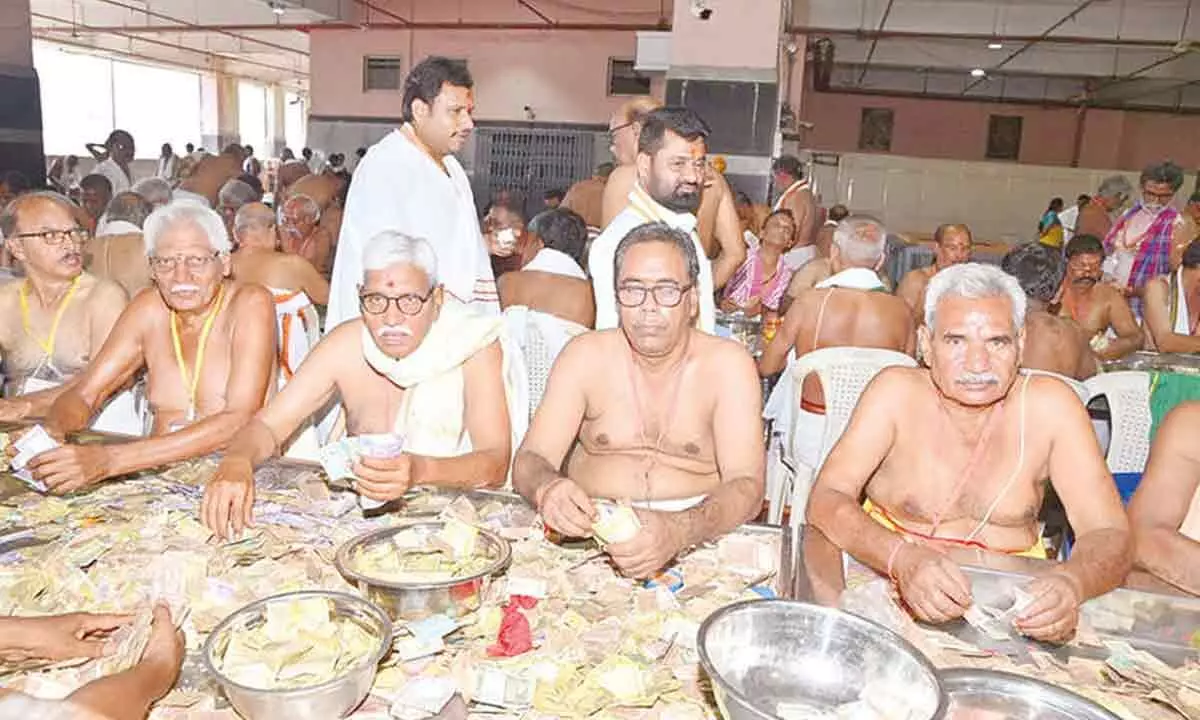
The process of counting hundi collections is often conducted with utmost transparency, involving temple officials, auditors, and sometimes even local public representatives or volunteers. This rigorous procedure ensures accountability and trust in the management of public donations. The meticulous sorting, counting, and recording of offerings are vital steps in maintaining the integrity of the hundi system and reassuring devotees that their contributions are handled responsibly and utilized for the intended purposes of the temple.
Beyond its spiritual significance, a major pilgrimage center like Sri Durga Malleswara Swamy Varla Devasthanam plays a crucial role in the local economy. The influx of pilgrims supports a wide array of ancillary services and businesses, including hotels, restaurants, transportation, flower vendors, and souvenir shops. This creates employment opportunities and stimulates economic activity in Vijayawada and its surrounding areas, demonstrating the broader socio-economic impact of religious tourism and the enduring appeal of such sacred sites.
The sustained flow of donations, as evidenced by the recent hundi collections, is fundamental to preserving and perpetuating India's rich spiritual and cultural heritage. These contributions enable temples to maintain their ancient rituals, conduct grand festivals, and continue to provide a sanctuary for spiritual seekers. They ensure that the traditions passed down through generations remain vibrant and accessible, offering solace and guidance to future generations.
In conclusion, the significant hundi income recorded at Sri Durga Malleswara Swamy Varla Devasthanam is more than just a financial figure; it is a powerful affirmation of faith, tradition, and community spirit. It reflects the enduring power of devotion that continues to draw multitudes to Indrakeeladri, ensuring the temple's sustained legacy as a revered spiritual landmark and a cornerstone of cultural identity in Andhra Pradesh.