
Indonesian military considers reducing peacekeepers to Lebanon
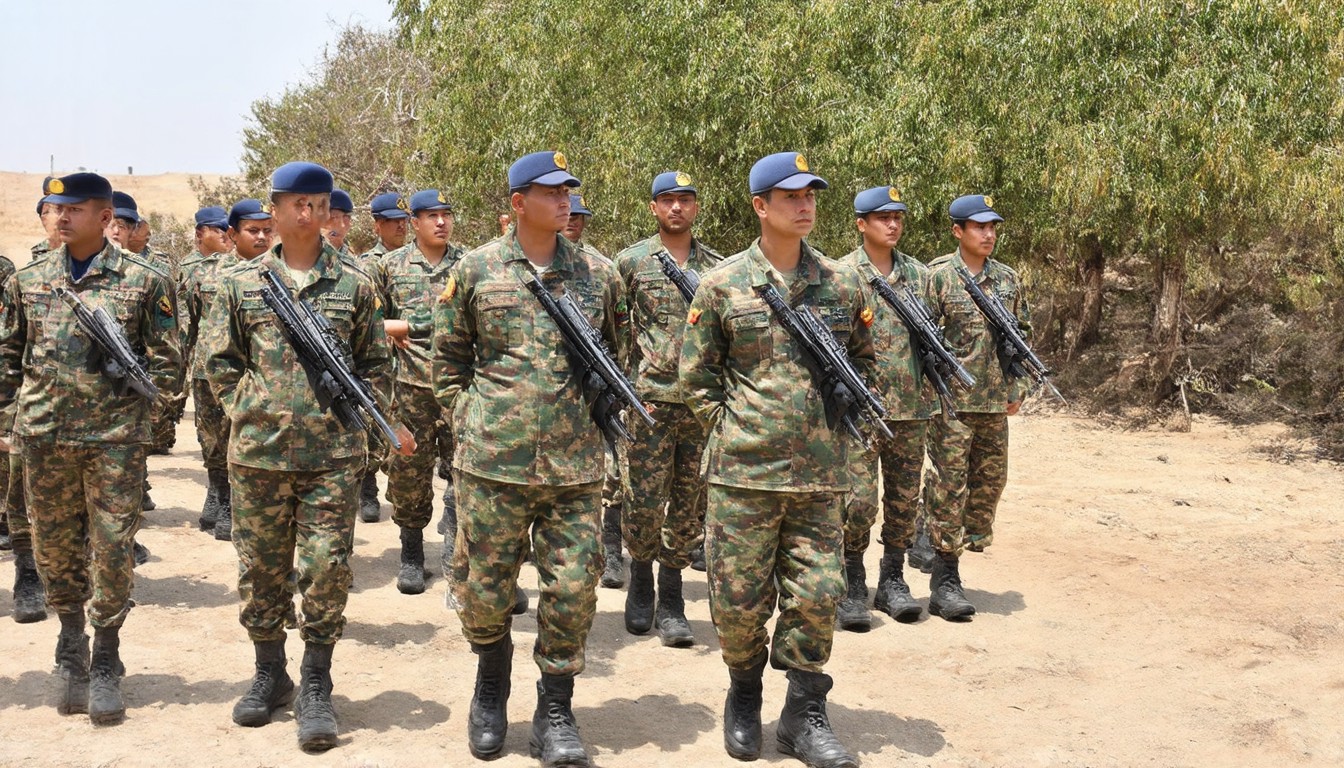
The 753 Indonesian soldiers currently stationed in Lebanon are set to be replaced by a new batch.
Indonesian military considers reducing peacekeepers to Lebanon
The Indonesian military is reportedly considering a reduction in the number of peacekeepers deployed to Lebanon, as the current 753 soldiers are set to be replaced by a new batch. This move comes as part of a broader reassessment of Indonesia's international peacekeeping commitments, reflecting a strategic shift in the country's foreign policy priorities.
Indonesia has been a significant contributor to peacekeeping missions in Lebanon since 1978, when the first contingent of Indonesian troops arrived as part of the United Nations Interim Force in Lebanon (UNIFIL). Over the years, the Indonesian peacekeeping mission has been a point of pride for the nation, showcasing its commitment to global stability and cooperation. However, recent developments have prompted the Indonesian government to reevaluate its military engagements abroad.
One of the key factors driving this reassessment is the changing security landscape in Lebanon. The country has been grappling with ongoing tensions and instability, particularly in the south, where UNIFIL is tasked with monitoring the border with Israel. The Indonesian military has expressed concerns about the evolving security situation, which has led to a reevaluation of the effectiveness and sustainability of their peacekeeping mission.
In addition to security concerns, economic factors are also influencing the decision. Maintaining a significant military presence in Lebanon is costly, and Indonesia is facing budgetary pressures at home. The government is looking for ways to optimize its resources, potentially by reducing the size of its peacekeeping contingents in certain regions.
The replacement of the current Indonesian soldiers by a new batch is a natural part of the rotation process in peacekeeping missions. However, the possibility of a reduction in the number of troops suggests a more substantial change in Indonesia's approach. This could involve either a smaller contingent or a shift in focus towards different areas of responsibility within the UNIFIL framework.
The decision to reduce the number of peacekeepers in Lebanon is not without its implications. Indonesia's presence in the region has been seen as a stabilizing force, and any reduction could be interpreted as a signal of waning commitment. However, the Indonesian government has emphasized that any changes will be made in consultation with the United Nations and other stakeholders, ensuring that the mission's objectives remain intact.
The move also highlights a broader trend in Indonesia's foreign policy, which has been increasingly focused on regional issues and domestic priorities. The government has prioritized domestic development and security, particularly in the face of challenges such as terrorism and regional instability. This shift has led to a reevaluation of Indonesia's global engagements, including its peacekeeping contributions.
Despite potential reductions, Indonesia remains committed to its role in international peacekeeping. The country has a long history of involvement in such missions, and its experience and expertise are highly valued by the United Nations and the international community. Any changes to the Indonesian peacekeeping mission in Lebanon will be carefully managed to ensure a smooth transition and maintain the mission's effectiveness.
In conclusion, the Indonesian military's consideration of reducing its peacekeepers in Lebanon reflects a strategic reassessment of the country's international engagements. While the decision is driven by a combination of security, economic, and strategic factors, it underscores Indonesia's ongoing commitment to global peace and stability. The country will continue to play a vital role in peacekeeping efforts, adapting its contributions to align with its evolving priorities and the changing global landscape.








