
Indonesia charges 19 over alleged baby trafficking ring that sent infants to Singapore
A prosecutor said the syndicate handled about 35 babies.
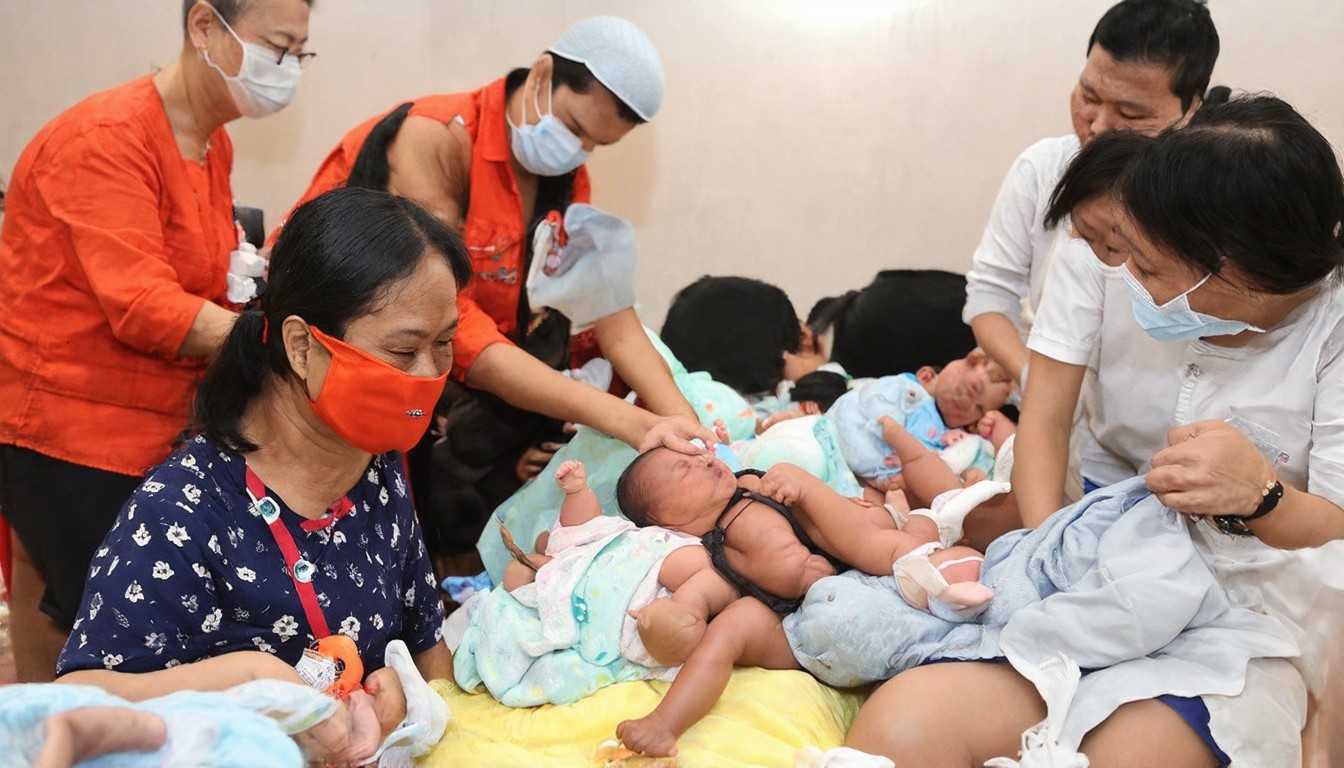
Indonesia has recently charged 19 individuals in connection with an alleged baby trafficking ring that allegedly sent infants to Singapore. The case has drawn significant attention, as it highlights the complex issue of human trafficking and the exploitation of vulnerable populations.
The investigation began after Indonesian authorities received intelligence about a network involved in the illegal transfer of babies from Indonesia to Singapore. Prosecutors have stated that the syndicate, which operated over several years, handled approximately 35 babies. This number underscores the scale of the operation and the potential impact on the lives of these innocent children and their families.
The suspects face charges under Indonesia's anti-human trafficking laws, which carry hefty penalties, including lengthy prison sentences and fines. The prosecution aims to demonstrate that the accused were part of a well-organized group that exploited the desperation of parents in Indonesia to send their children abroad for better opportunities.
According to the prosecutor, the alleged trafficking ring targeted families in Indonesia who were struggling financially or facing social stigma. These families were lured with promises of a better life for their children in Singapore, where they believed their offspring would receive better education and healthcare. However, the reality was far more sinister, as the babies were allegedly sold to Singaporean couples who were unable to conceive or adopt through official channels.
The case has raised concerns about the role of intermediaries and brokers in facilitating these transactions. Authorities suspect that some of the charged individuals acted as facilitators, helping to arrange the transfers and ensuring that the babies were smuggled across the border. This highlights the challenges faced by law enforcement in dismantling such networks, which often rely on complex and interconnected relationships.
The Indonesian government has been vocal about its commitment to combating human trafficking, and this case serves as a reminder of the ongoing efforts to protect vulnerable populations. The authorities have emphasized the importance of raising awareness about the dangers of such practices and encouraging victims to come forward.
In response to the allegations, Singapore has expressed its concerns and has initiated its own investigations into the matter. The Singaporean government has pledged to work closely with Indonesian authorities to prevent the exploitation of children and to ensure that all adoptions and transfers of minors are conducted in accordance with international standards.
The case has also sparked a broader discussion about the root causes of human trafficking, including poverty, lack of education, and inadequate social support systems. Many experts argue that addressing these underlying issues is crucial in combating such crimes.
As the trial progresses, both Indonesian and Singaporean authorities will be closely monitoring the developments. The outcome of the case will likely have a significant impact on the region's efforts to combat human trafficking and protect the rights of children.
In conclusion, the charges against 19 individuals in Indonesia over alleged baby trafficking to Singapore highlight the persistent challenges in combating human trafficking networks. The case underscores the need for continued collaboration between law enforcement agencies and a concerted effort to address the root causes of such crimes. As the investigation unfolds, it remains to be seen how the legal proceedings will shape the future of this complex issue.








