
Indonesia baby trafficking trial begins for 19 people accused of sending at least 10 newborns to Singapore
The 10 were sold for as much as S$18,000 (US$14,000) each and were among at least 34 babies that were allegedly trafficked by the accused persons.
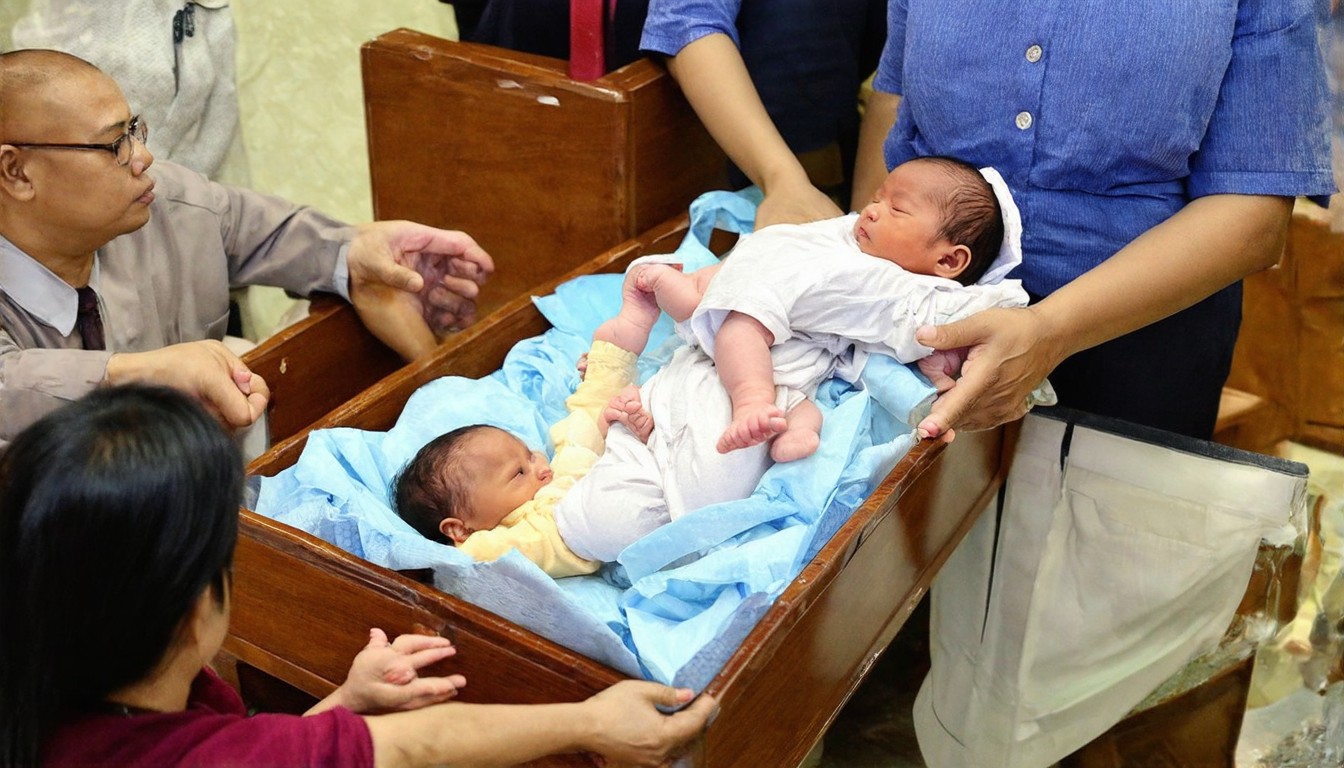
In a grim reminder of the dark underbelly of human trafficking, a trial has begun in Indonesia for 19 individuals accused of orchestrating the trafficking of at least 10 newborns to Singapore. The case, which has drawn international attention, highlights the exploitation of vulnerable families and the lucrative nature of this criminal activity.
The accused are facing charges related to the sale of these babies, with some transactions reportedly reaching as high as S$18,000 (US$14,000) per child. This staggering figure underscores the financial incentives driving the trafficking operation, as the perpetrators allegedly made significant profits from their heinous activities.
The trial has revealed that the 10 babies sold to Singapore were just a fraction of the scale of the operation. Prosecutors have stated that the accused are implicated in the trafficking of at least 34 babies, indicating a well-organized network that likely spans multiple regions. This suggests that the group may have had extensive connections and resources, enabling them to operate with relative impunity for an extended period.
The victims in this case are not just numbers; they are innocent infants torn from their families. The circumstances surrounding their sale are deeply distressing, as the traffickers exploited the desperation of impoverished parents in search of better opportunities for their children. Many families in Indonesia, particularly in rural areas, face significant challenges, making them vulnerable to such predatory practices.
The trial has brought to light the role of intermediaries and brokers within the trafficking network. These individuals allegedly played a crucial part in facilitating the transfer of babies from Indonesia to Singapore, often through complex arrangements that involved multiple parties. The involvement of these intermediaries highlights the intricate web of connections that enables such trafficking operations to thrive.
Authorities in both Indonesia and Singapore have been working closely together to combat this transnational crime. The trial is a significant step in holding those responsible accountable, as it sends a clear message that such activities will not be tolerated. However, the scale of the operation suggests that more needs to be done to prevent future incidents and to support the families affected by these crimes.
The case also raises important questions about the legal and social systems in place to protect vulnerable populations. While the trial is a necessary step towards justice, it is crucial to address the root causes of trafficking, such as poverty, lack of education, and inadequate support for families. This will require a concerted effort from governments, NGOs, and communities to create a more supportive environment for those in need.
As the trial progresses, it will be important to ensure that the rights of the victims and their families are upheld. The legal process must not only focus on punishing the perpetrators but also on providing support and redress for those who have been tragically impacted by this crime.
In conclusion, the baby trafficking trial in Indonesia serves as a stark reminder of the ongoing challenges in combating human trafficking. The case underscores the need for increased cooperation between nations, robust legal frameworks, and comprehensive support systems to protect vulnerable populations from such exploitation. As the trial unfolds, the international community must remain vigilant and committed to addressing this pressing issue.









