India’s Women Rewrite Growth Story
India’s development story is increasingly being told through the lens of women’s economic empowerment—and for good reason. Over the past decade, the country has moved beyond rhetoric to build an… The post India’s Women Rewrite Growth Story appeared first on India Narrative .
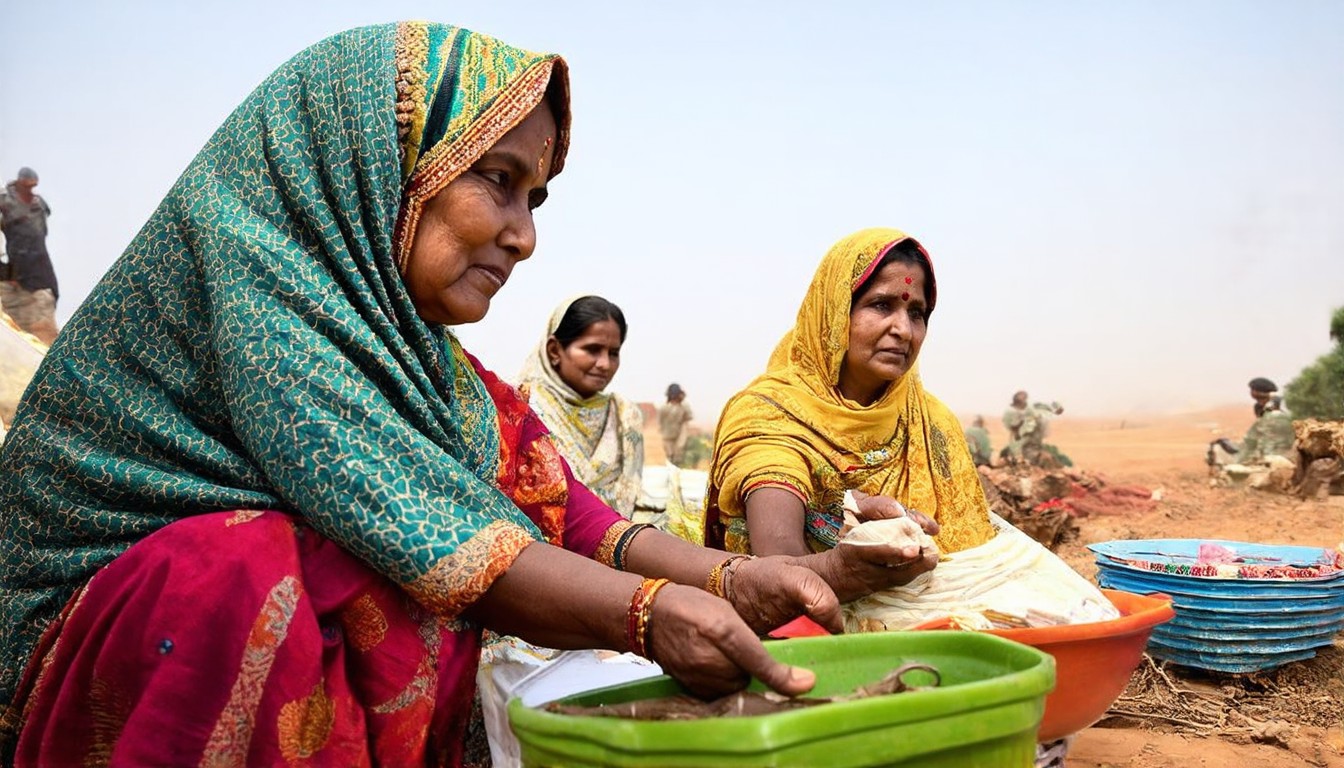
India’s development story is increasingly being told through the lens of women’s economic empowerment—and for good reason. Over the past decade, the country has moved beyond rhetoric to build an ecosystem that places women at the center of growth. What is striking is not just the scale of intervention, but the shift in imagination: women are no longer seen merely as beneficiaries of welfare, but as drivers of enterprise, innovation, and national progress. At the heart of this transformation lies a simple but powerful idea—economic independence is the foundation of dignity.
Policies aimed at girls’ financial security, such as long-term savings schemes, signal a recognition that empowerment must begin early. When families are incentivized to invest in their daughters’ futures, it alters social expectations and creates a pipeline of financially aware, confident women ready to participate in the economy. The government’s Pradhan Mantri Kaushal Vikas Yojana (PMKVY) and the Atal Miyaan NREGA scheme are examples of efforts to provide vocational training and employment opportunities to women, ensuring they have the skills and access needed to thrive economically.
But empowerment cannot stop at savings; it must translate into livelihoods. This is where community-based models like self-help groups (SHGs) have proven transformative. By organizing millions of rural women into networks that provide access to credit, training, and markets, India has quietly built one of the largest grassroots economic movements in the world. These collectives are not just financial platforms—they are social institutions that foster trust, resilience, and shared ambition. The success of SHGs in mobilizing women for microfinance and agricultural cooperatives has been a testament to the power of collective action in empowering women.
The integration of technology into these efforts marks the next frontier. Initiatives that bring tools like drones into the hands of rural women signal a bold departure from traditional development models. They challenge stereotypes about women’s roles in agriculture and position them at the cutting edge of productivity and innovation. This is not just about improving crop yields; it is about redefining who gets to lead in a modernizing economy. The use of technology in agriculture, such as precision farming and digital payment systems, is enabling women to take control of their livelihoods and access markets more effectively.
Equally important is the push toward entrepreneurship. The idea of the “Lakhpati Didi”—a woman earning over ₹1 lakh annually—captures a broad shift in the economic landscape. Women-led businesses, from small-scale enterprises to large-scale industries, are becoming a significant contributor to India’s GDP. The government’s Women Entrepreneurship Scheme and initiatives like the Startup India Programme are fostering an environment where women can innovate and scale their ventures. The rise of women in sectors like technology, healthcare, and finance is further demonstrating their capacity to drive economic growth.
However, challenges remain. Despite progress, gender disparities persist, and women face barriers such as lack of access to education, discrimination, and limited opportunities. The need for sustained policy interventions and societal change is crucial to ensure that women’s empowerment is not just a statistic but a reality that benefits all.
In conclusion, India’s women are rewriting the growth story by breaking free from traditional roles and seizing opportunities in the economy. The journey has been marked by policy shifts, community-driven models, and technological advancements. While progress is evident, the path to full economic empowerment for women remains an ongoing journey. The story of India’s women is a testament to the transformative power of economic independence and a call to action for a society that values the dignity and potential of every individual.