India’s road building, maintenance to suffer due to US-Iran war
India's highway construction is set to slow down in 2026-27 due to West Asia conflicts disrupting bitumen supplies and driving up costs, experts warn.
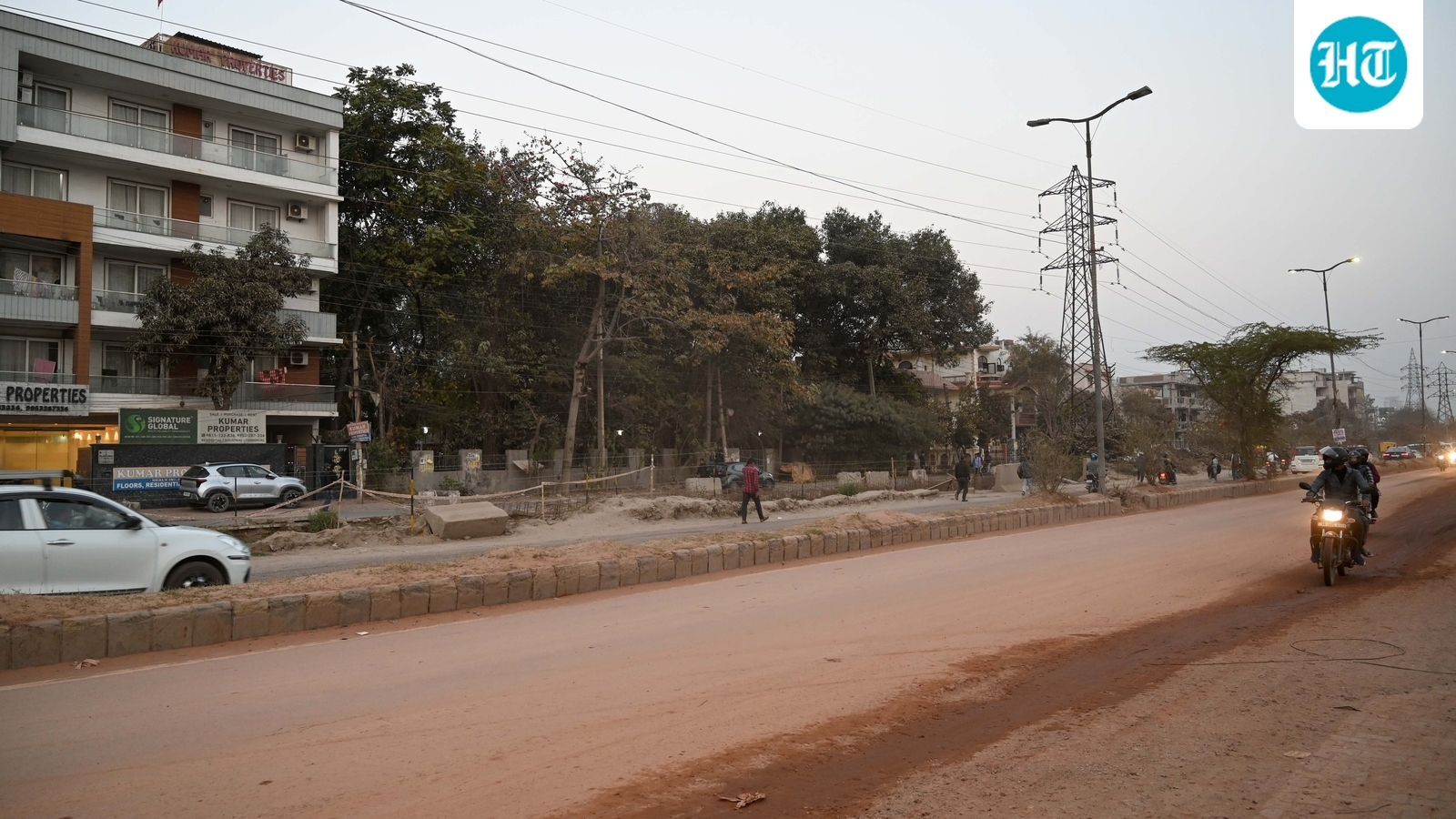
India’s road building, maintenance to suffer due to US-Iran war
In the coming years, India's ambitious highway construction and maintenance plans are likely to face significant challenges due to escalating tensions in West Asia. Experts warn that conflicts between the United States and Iran could disrupt global supply chains, particularly affecting the availability of bitumen, a critical component for road construction. This disruption could lead to delays in infrastructure projects and increased costs for the Indian government, potentially hindering progress towards the nation's transportation goals.
Bitumen, derived from crude oil, is essential for the production of asphalt, which is widely used in road construction. India relies heavily on imports to meet its demand, with a significant portion of the supply coming from countries in the Middle East, including Iran. Recent geopolitical tensions in the region, including the ongoing US-Iran conflict, have raised concerns about the stability of these supply routes.
The situation in West Asia has been volatile for some time, with both the US and Iran engaging in various proxy conflicts and economic sanctions. These developments have led to increased uncertainty in the region, potentially affecting the ability of Indian suppliers to secure a steady flow of bitumen. If these disruptions persist, it could force Indian contractors to look for alternative sources, which may not be as cost-effective or of the same quality.
Moreover, the cost of bitumen is expected to rise due to the conflict. Higher prices would directly impact the budgets of state and central governments responsible for highway construction and maintenance. This financial burden could force India to prioritize existing projects over new ones, slowing down the overall progress of its road infrastructure development.
India's road network is a crucial component of its economy, facilitating trade, commerce, and connectivity across the country. The government has invested heavily in expanding and modernizing its highways, with plans to build thousands of kilometers of new roads. However, these projects are now at risk due to the potential disruption of bitumen supplies.
The situation is particularly concerning given India's current economic climate. The country is facing inflation, slowing growth, and a rising debt burden. Any additional financial strain on the government due to increased road construction costs could exacerbate these challenges.
To mitigate the potential impact of the US-Iran conflict, Indian authorities may need to explore alternative sources of bitumen. This could involve increasing imports from other regions, such as Russia or Venezuela, or even developing domestic production capabilities. However, these options may not be immediately feasible, given the existing infrastructure and logistical challenges.
Additionally, the government could consider investing in alternative materials for road construction, such as cement or recycled materials. While these options may not offer the same performance as asphalt, they could provide a temporary solution to the bitumen shortage.
In the long term, India may need to diversify its supply chain to reduce its dependence on volatile regions. This could involve investing in local production facilities or establishing partnerships with more stable suppliers. However, such initiatives would require significant time and investment, which may not be possible in the short term.
The impact of the US-Iran conflict on India's road infrastructure is a pressing concern for policymakers and industry experts. The disruption of bitumen supplies could lead to delays, increased costs, and a slowdown in the progress of critical infrastructure projects. To address these challenges, India must take proactive steps to secure a stable supply of essential materials and adapt its strategies to navigate the uncertain global landscape.
As the situation in West Asia continues to evolve, it remains uncertain how severe the impact on India's road construction will be. However, the potential consequences are significant, and the Indian government must take these risks seriously. By taking preemptive measures and exploring alternative solutions, India can better prepare itself for the challenges posed by the US-Iran conflict and ensure the continued development of its vital road network.
In conclusion, the escalating tensions between the US and Iran pose a significant threat to India's road infrastructure development. The disruption of bitumen supplies and the resulting cost increases could lead to delays and financial strain on the government. To address these challenges, India must diversify its supply chain, explore alternative materials, and adapt its strategies to navigate the uncertain global environment. The future of India's road network hinges on the ability of policymakers to respond effectively to these emerging threats and ensure the sustainable development of its transportation infrastructure.