India's gold imports see 29% hike to $69 billion, says Commerce ministry
Prices of the yellow metal are hovering at around ₹1,51,500 per 10 grams (inclusive of all taxes) in the national capital.
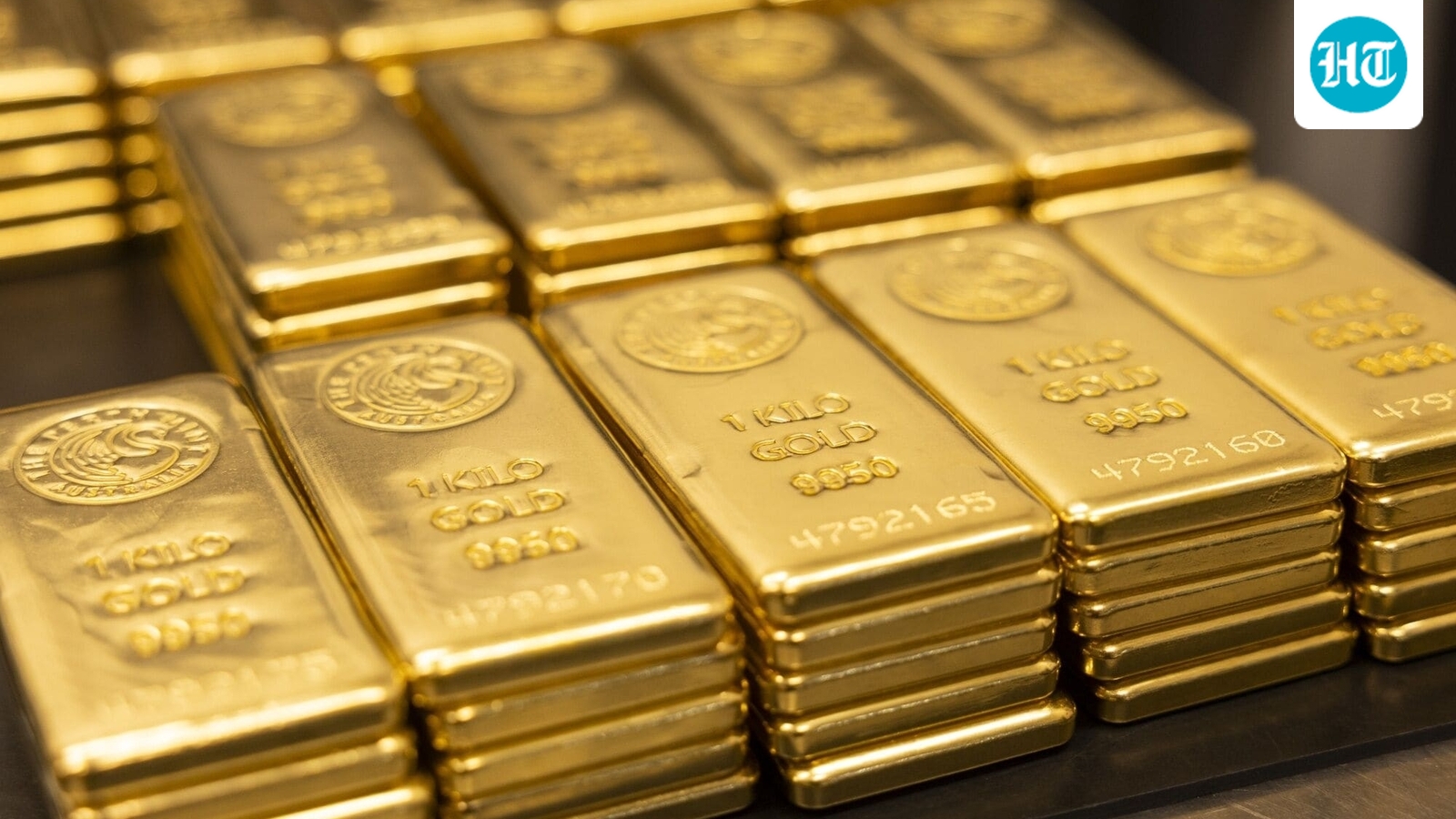
India's gold imports see a staggering 29% increase to $69 billion, according to the Commerce ministry. This significant rise in gold imports underscores the country's continued reliance on the precious metal, despite global market fluctuations. The surge in imports is particularly noteworthy given the backdrop of volatile global gold prices and India's unique position as the world's largest consumer of gold.
The Commerce ministry's recent data reveals that India's gold imports in the fiscal year 2023-2024 reached an unprecedented $69 billion, marking a 29% increase from the previous fiscal year. This dramatic rise highlights the resilience of India's gold market, which has consistently shown robust demand despite global economic uncertainties. The hike in imports is a reflection of the country's unwavering commitment to gold as a store of value and a cultural staple.
The current price of gold in India is hovering around ₹1,51,500 per 10 grams, inclusive of all taxes, in the national capital. This price reflects the overall trend of gold prices in the country, which have remained relatively stable in recent months. The steady price of gold has contributed to its continued popularity among Indian consumers, who view it as a reliable investment and a cultural symbol.
India's gold imports are driven by a combination of factors, including cultural traditions, economic stability, and global market dynamics. Gold has long been an integral part of Indian culture, particularly during weddings and festivals, where it is exchanged as gifts and used in rituals. This cultural significance has created a strong demand for gold, which has historically been met through imports, as India's domestic production has been relatively limited.
Economically, gold has been seen as a safe haven for Indian investors, particularly in times of economic uncertainty. The metal's status as a tangible asset and its historical performance as a hedge against inflation have made it an attractive investment option. This economic rationale has further fueled the demand for gold, driving up imports and contributing to the recent surge in the value of gold in the Indian market.
Global market dynamics also play a role in shaping India's gold imports. India is the world's largest consumer of gold, accounting for over 20% of global demand. This position gives India significant influence over global gold prices and market trends. As such, any changes in India's gold consumption patterns can have ripple effects on the global gold market.
The recent hike in gold imports has raised questions about its implications for India's balance of payments and economic stability. While gold imports contribute to the current account deficit, they also reflect the country's strong economic foundation and its ability to absorb such expenditures. Moreover, the gold industry in India employs millions of people directly and indirectly, contributing to the country's overall economic health.
The Commerce ministry's data on gold imports also highlights the need for careful policy formulation and regulation. As India's gold market continues to grow, it is essential to ensure that the industry remains transparent, stable, and conducive to sustainable growth. This requires a balanced approach to regulating gold prices, managing imports, and promoting domestic production, while also addressing concerns related to smuggling and counterfeit goods.
In conclusion, India's gold imports have seen a remarkable 29% increase to $69 billion, reflecting the country's unwavering commitment to gold as a cultural and economic staple. The recent surge in imports underscores the resilience of India's gold market and its ability to withstand global economic uncertainties. As the world's largest consumer of gold, India's role in shaping global gold markets is significant, and its policies and practices will continue to have a profound impact on the global gold industry. The Commerce ministry's data serves as a reminder of the importance of strategic policy-making and regulation to ensure the sustainable growth and stability of India's gold market.