India's First Bullet Train B28 To Be Ready By 2027: See Route, Speed, Onboard Features
With trials scheduled before its debut, the B28 is expected to redefine connectivity and comfort while showcasing India’s engineering capabilities.
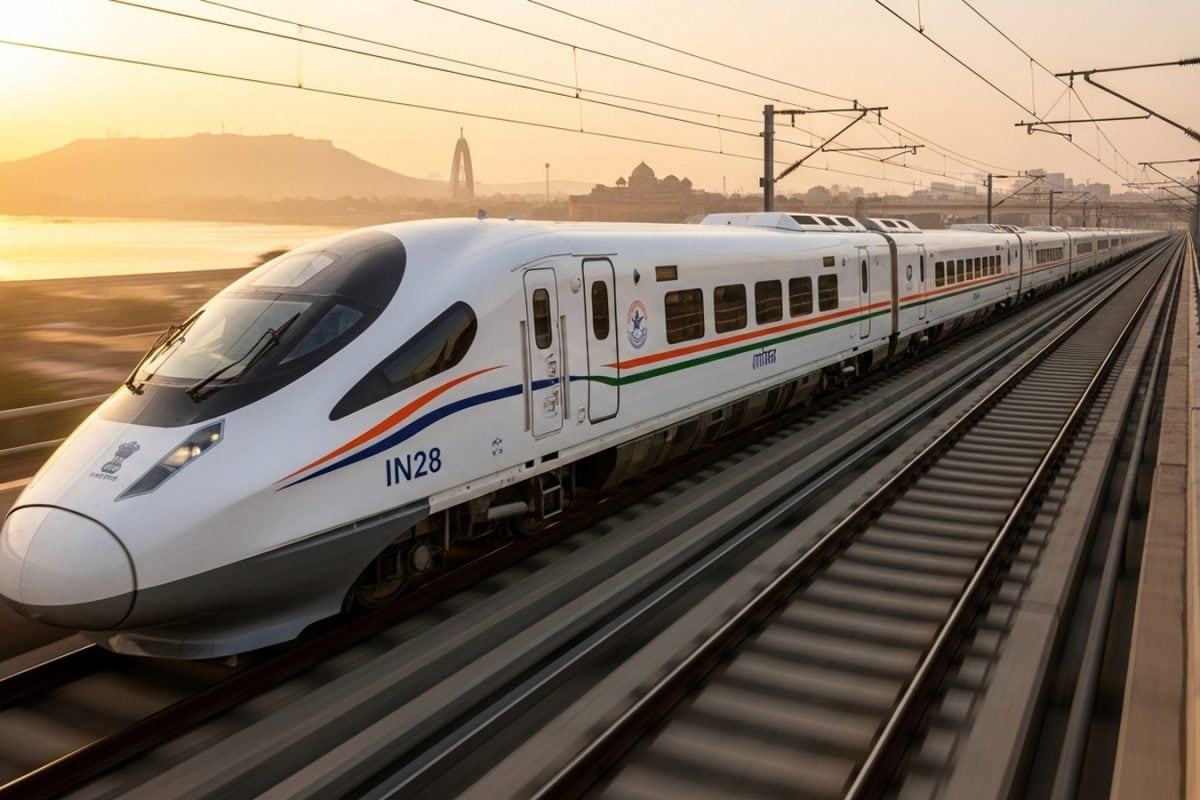
India's first bullet train, the B28, is set to transform the nation's railway system by 2027. This ambitious project, which has been in the works for several years, promises to revolutionize connectivity and passenger experience across the country. With trials scheduled before its official debut, the B28 is expected to not only enhance travel comfort but also serve as a testament to India's engineering prowess.
The B28, which will run on the Mumbai-Ahmedabad route, is a significant milestone in India's railway infrastructure. This high-speed rail corridor is designed to reduce travel time between the two cities from the current eight hours to just three hours. The route, spanning approximately 508 kilometers, will pass through states such as Gujarat and Maharashtra, connecting major cities and towns along the way.
One of the key features of the B28 is its speed. The bullet train will operate at a maximum speed of 320 kilometers per hour, making it one of the fastest trains in Asia. This speed will not only shorten travel time but also increase the frequency of services, allowing passengers to choose from multiple options throughout the day.
In addition to its impressive speed, the B28 will offer a range of onboard features designed to enhance passenger comfort. The train will feature sleek, modern interiors with ample seating arrangements, including premium cabins with reclining seats and ergonomic designs. Passengers can expect to enjoy a range of amenities, including air conditioning, Wi-Fi connectivity, and onboard dining options.
The B28 is also expected to incorporate advanced safety features to ensure the well-being of passengers and staff. The train will be equipped with state-of-the-art braking systems and emergency response mechanisms, as well as surveillance systems to maintain security onboard.
The development of the B28 is part of India's broader vision to modernize its railway system. The country's railway network, which is the world's largest by route length, has long been a backbone of India's transportation infrastructure. However, the aging fleet and limited speed of traditional trains have often led to long travel times and reduced passenger satisfaction.
The introduction of the B28 marks a significant shift in India's railway policy, which has been focused on increasing the speed and efficiency of its services. The government has invested heavily in railway modernization, with plans to introduce more high-speed trains across the country in the coming years.
The B28 is also expected to have a significant economic impact, boosting tourism and business travel between Mumbai and Ahmedabad. The two cities are major commercial hubs, and the reduced travel time will make it easier for people to commute between them. Additionally, the high-speed rail corridor will facilitate the movement of goods and services, contributing to economic growth in the region.
The project has faced several challenges during its development, including delays and budget overruns. However, the Indian Railways have remained committed to delivering the B28 on time, and recent progress has been encouraging. The successful completion of the project will not only enhance India's transportation capabilities but also position the country as a global leader in high-speed rail technology.
In conclusion, the B28 bullet train is set to redefine India's railway system by offering faster, more comfortable, and safer travel options. With its impressive speed, advanced features, and strategic route, the B28 will transform connectivity across the nation and showcase India's engineering capabilities on the global stage. As trials approach, the anticipation for this revolutionary train is palpable, and the Indian Railways are poised to deliver a transformative experience for millions of passengers.