
Indianapolis councilman says his home was shot at over data center support
Indianapolis councilmember Ron Gibson says 13 rounds were fired at his home and a note was left under his doormat saying "no data centers" after he voiced support for building one. Shanelle Kaul reports.
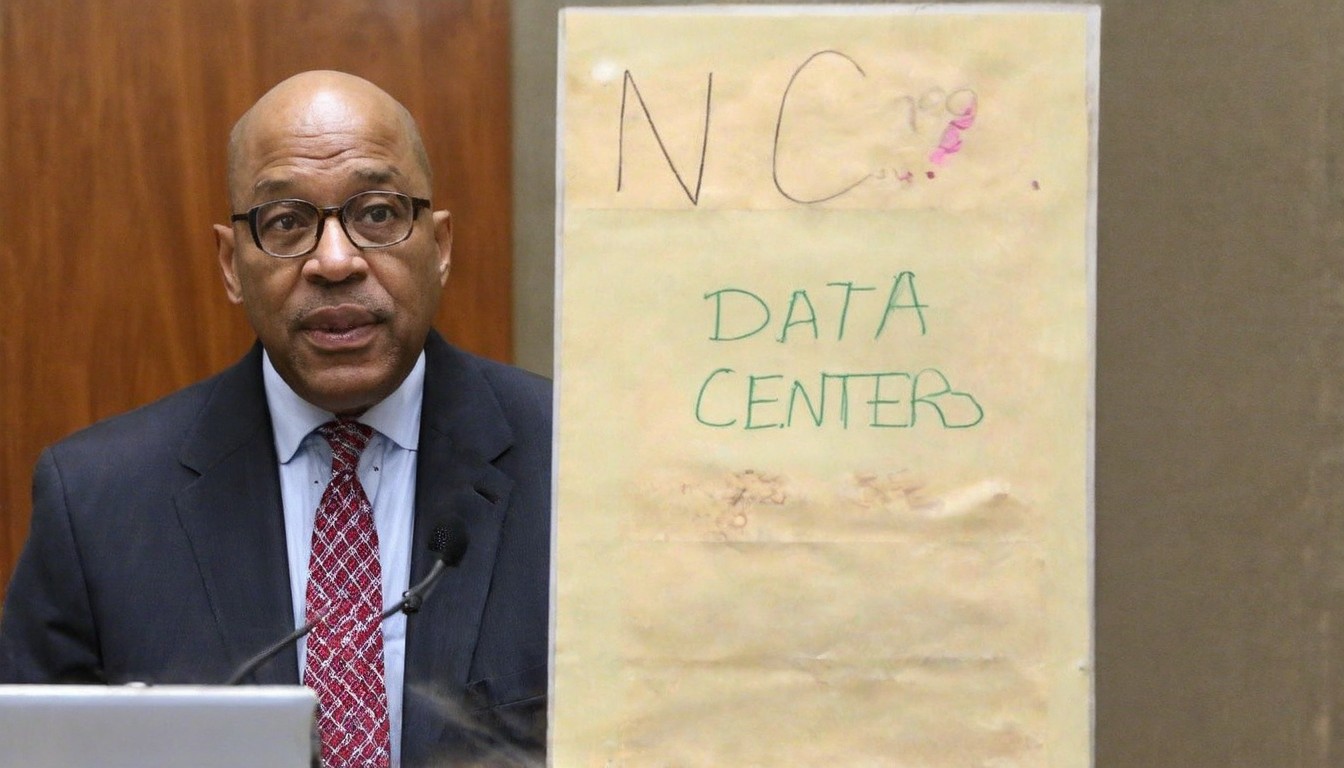
Indianapolis councilman Ron Gibson has reported that his home was targeted with 13 rounds of gunfire, followed by a note left under his doormat reading "no data centers." The incident occurred after Gibson publicly expressed his support for the construction of a data center in the city. The chilling event has raised concerns about the safety of public officials and the intensity of debates surrounding infrastructure projects.
Gibson, a long-serving councilman known for his advocacy for economic development, has been a vocal supporter of the proposed data center. The project, which aims to bring significant economic benefits to the area, has faced opposition from some residents who are concerned about potential environmental impacts and traffic congestion. In the weeks leading up to the incident, Gibson had participated in several public forums and meetings, where he defended the project's benefits, including job creation and technological advancement.
On the night of the shooting, Gibson was not at home, and no one was injured. Police responded promptly to the scene, securing evidence and interviewing neighbors. The note left under the doormat, with its stark message, has become a chilling symbol of the heated debates surrounding infrastructure development. Authorities are treating the incident as a criminal threat, and an investigation is underway to determine the identity of the perpetrator.
The Indianapolis Police Department has emphasized the importance of maintaining a safe environment for elected officials and the public. Chief of Police Timothy Thompson stated that the department is committed to ensuring the safety of all residents and will take the matter seriously. Thompson called on community members to come forward with any information that could help identify the person responsible for the shooting.
The incident has sparked a wider conversation about the risks faced by public officials in today's polarized political climate. Critics argue that the growing intensity of debates over major projects can lead to extreme actions, while supporters of such projects maintain that the benefits outweigh the risks. The case of Ron Gibson serves as a stark reminder of the potential consequences of public advocacy and the need for dialogue and understanding in community decision-making processes.
In the aftermath of the shooting, Gibson has received an outpouring of support from his colleagues and constituents. Council President Ray Cross stated that the incident was "an attack on the democratic process" and that the community must come together to address such threats. The Indianapolis City Council has scheduled an emergency meeting to discuss measures that could be taken to protect public officials and ensure a safe environment for open debate.
The proposed data center remains a contentious issue, with proponents citing job opportunities and technological growth, while opponents express concerns about environmental and traffic impacts. The shooting has added a new layer of urgency to the debate, as many now question whether the benefits of such projects are worth the potential risks to public safety.
As the investigation continues, the Indianapolis community is on edge, grappling with the implications of this disturbing event. The incident serves as a stark reminder of the power dynamics at play in community development and the importance of fostering constructive dialogue to navigate complex issues. The case of Ron Gibson underscores the need for all stakeholders to engage in respectful discourse and prioritize the well-being of everyone involved in the decision-making process.








