Indian government probes CCTV espionage operation linked to Pakistan
Police found cameras pointing at infrastructure Indian authorities have reportedly ordered an audit of the nation’s CCTV cameras, after police uncovered what they claim was a Pakistan-backed surveillance operation.…
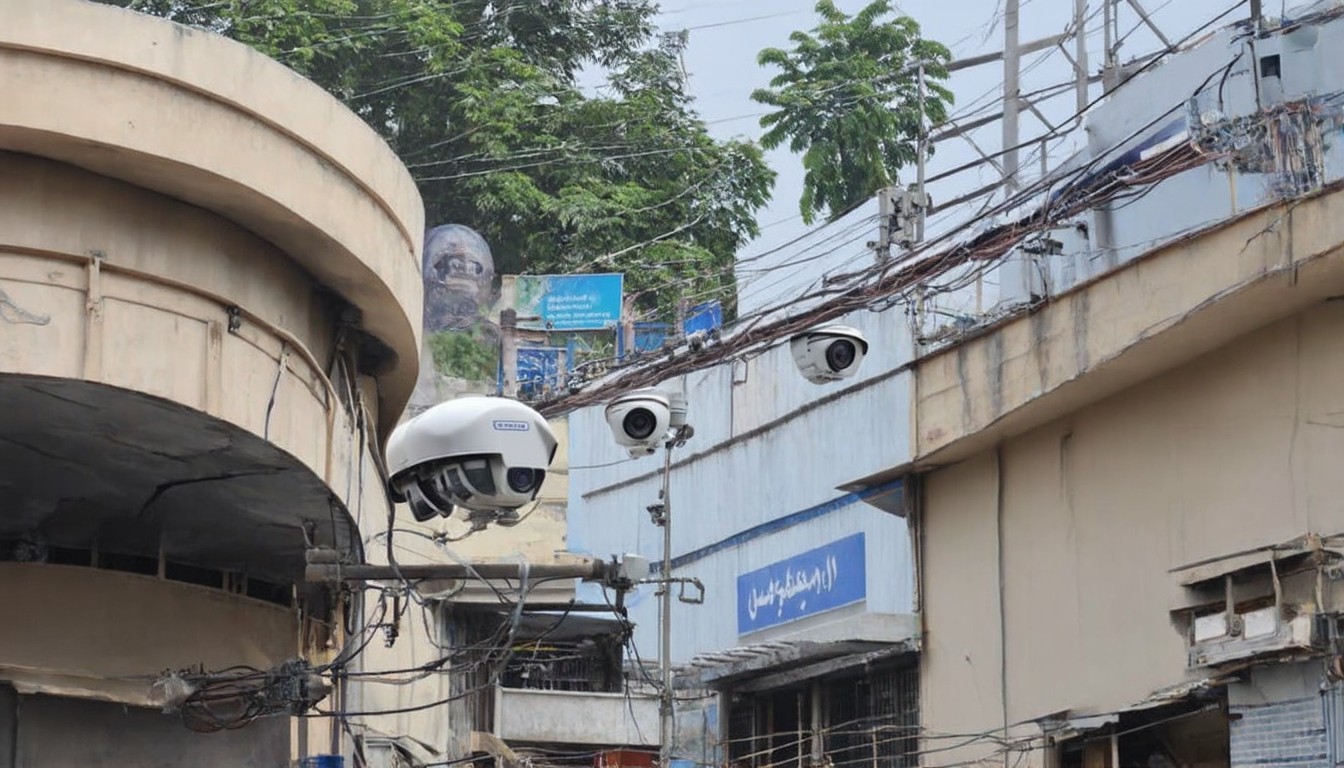
Indian authorities have launched a comprehensive audit of the nation's CCTV surveillance system following the discovery of a suspected espionage operation linked to Pakistan. The investigation began after police in the state of Maharashtra uncovered a network of cameras that were allegedly positioned to monitor critical infrastructure.
The discovery was made during a routine security check in Mumbai, where officers found several high-resolution cameras mounted on buildings and streetlights. Initial assessments suggested that the cameras were capable of capturing detailed images and footage of key transportation hubs, government buildings, and other strategic locations. Authorities believe that the surveillance operation was orchestrated by Pakistan, which has a long-standing history of covert activities in India.
The Indian government has taken the matter very seriously, viewing it as a direct threat to national security. Home Minister Amit Shah has instructed state police forces to conduct a thorough review of all existing CCTV installations across the country. This audit aims to identify any unauthorized cameras that may have been installed as part of the espionage network and to ensure that the surveillance system remains secure and under government control.
The Maharashtra Police have stated that they are collaborating with intelligence agencies to trace the origin of the cameras and to identify any individuals or groups involved in the operation. Initial findings suggest that the cameras were imported from Pakistan, raising concerns about the ease with which such equipment can be smuggled into the country.
This incident has sparked a wider debate about the role of CCTV surveillance in India. While many argue that it is essential for maintaining public safety and deterring crime, others express concerns about privacy and the potential for misuse of surveillance technology. The government has pledged to review its surveillance policies to ensure that they strike a balance between security and individual freedoms.
The audit of the CCTV system is expected to take several months, during which time authorities will closely monitor all installations and review the permissions granted for their use. This will include verifying that only authorized entities are responsible for managing the cameras and that there are robust measures in place to prevent unauthorized access.
The Indian government has also stepped up its diplomatic efforts to address the issue with Pakistan. Officials have demanded an explanation for the espionage operation and have warned that further such activities will not be tolerated. Tensions between the two countries have been high in recent years, with both nations frequently accusing each other of supporting terrorist activities on their respective soil.
As the investigation progresses, experts have warned that the discovery of the Pakistan-backed surveillance operation highlights the need for enhanced vigilance and improved security protocols in the use of CCTV technology. They suggest that a centralized database of all surveillance cameras could help prevent the infiltration of unauthorized equipment and ensure that the system remains effective in safeguarding the nation's security.
In the meantime, the Indian public remains on high alert, with many expressing concerns about the potential for foreign interference in their daily lives. The audit of the CCTV system is seen as a crucial step in restoring public trust in the government's ability to protect both national security and individual privacy.
As the probe continues, it remains to be seen whether the Indian authorities will uncover a larger network of espionage or if this was an isolated incident. Regardless, the discovery has underscored the complex challenges posed by modern surveillance technologies and the need for continuous vigilance in an increasingly interconnected world.