India's Polymer Currency Debate: Pros, Cons, & Economy
The potential transition to polymer banknotes in India is reportedly sparking a significant debate among economists, who are evaluating whether such a move would ultimately benefit or pose challenges for the nation's vast and complex economic landscape.
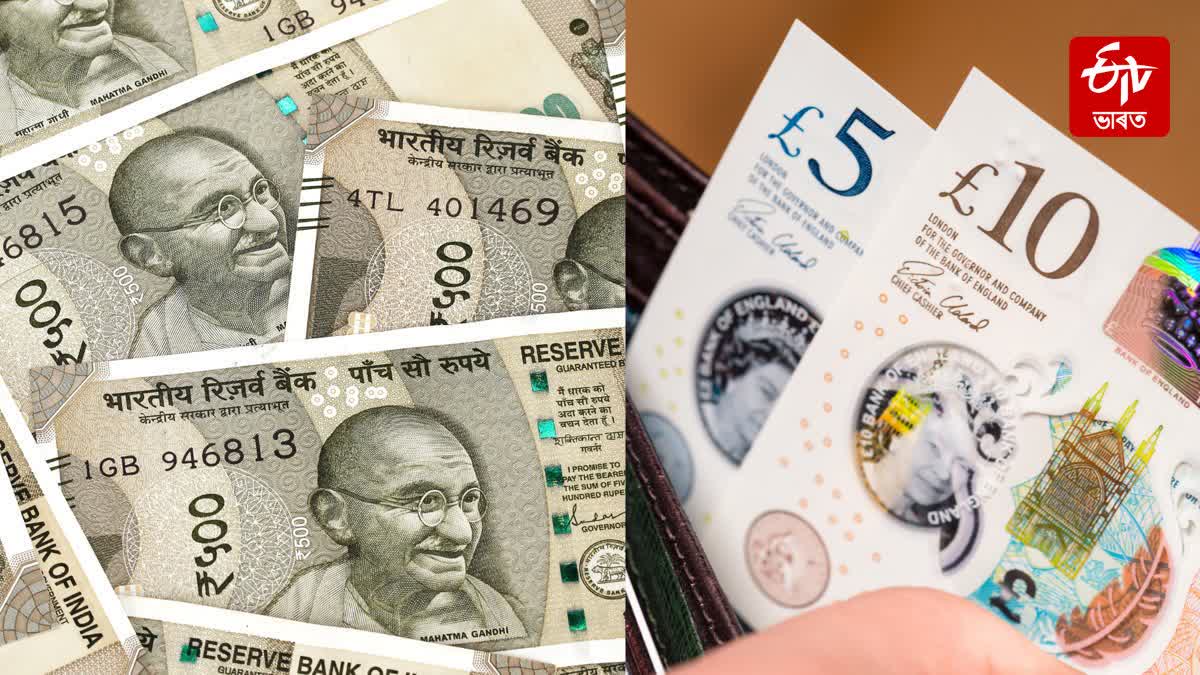
The prospect of India potentially transitioning to polymer banknotes has reportedly initiated a significant discourse among the nation's economic experts. This potential shift, moving away from traditional paper-based currency, is not merely a technical upgrade but a strategic consideration with far-reaching implications for the Indian economy. As discussions unfold, economists are reportedly engaged in a meticulous evaluation, seeking to determine whether such an evolution in currency management would ultimately prove to be a boon or a burden for one of the world's largest and most dynamic economies. The Reserve Bank of India, as the custodian of the nation's monetary system, would face a complex decision, balancing innovation with practicality and economic stability.
Polymer currency, typically made from a synthetic plastic material, offers distinct advantages over its paper counterparts, which are well-documented globally. These notes are renowned for their enhanced durability, significantly extending their lifespan in circulation compared to paper notes that succumb more quickly to wear and tear. This inherent resilience means fewer notes need to be printed over time, potentially leading to long-term cost efficiencies in currency production and replacement. Furthermore, polymer notes are often lauded for their superior security features, which can be intricately embedded into the material, making them considerably more challenging for counterfeiters to replicate. These attributes form the foundational arguments for their adoption in various economies worldwide.
For a country like India, with its vast population and high volume of cash transactions, the potential benefits of polymer currency could be substantial. The extended lifespan of notes would directly translate into reduced printing costs and a diminished environmental footprint associated with the constant replacement of soiled and damaged paper currency. The improved durability could also mean cleaner notes in circulation, enhancing public hygiene, especially in a nation where currency changes hands frequently across diverse environments. Moreover, the robust nature of polymer notes makes them resistant to moisture and extreme temperatures, a practical advantage in India's varied climatic conditions, where traditional notes often degrade rapidly.
However, the path to adopting polymer currency is not without its reported challenges, prompting economists to carefully weigh the potential downsides. A primary concern revolves around the initial capital investment required for such a monumental transition. The infrastructure for printing, handling, and processing polymer notes differs significantly from that for paper currency, necessitating substantial upgrades to existing facilities and machinery. This upfront cost could be considerable, potentially posing a short-term financial strain. Furthermore, the logistical complexities of introducing a new type of currency across a nation of over a billion people, ensuring widespread public awareness and acceptance, would be immense.
Economists are reportedly scrutinizing the economic ramifications from multiple angles. While the long-term savings from reduced replacement cycles are attractive, the initial outlay for production and distribution must be carefully amortized. The question arises whether the projected savings would genuinely outweigh the significant upfront expenditure within a reasonable timeframe. Furthermore, the economic impact on the existing paper currency manufacturing ecosystem and its workforce would also need careful consideration, ensuring a smooth transition without undue disruption. The debate among experts reportedly centers on striking a delicate balance between fiscal prudence and the pursuit of technological advancement in currency management.
The unique socio-economic fabric of India adds another layer of complexity to this evaluation. Public acceptance of a new currency material is paramount. While polymer notes are common in some developed nations, their texture and feel are distinct from traditional paper, which could initially lead to resistance or confusion among a populace accustomed to the familiar. Educating the masses, particularly in rural and less digitally connected areas, about the new notes' features, durability, and authenticity would require a massive public awareness campaign. Economists are reportedly assessing how such a change might impact daily transactions, especially for vulnerable populations who rely heavily on cash.
A significant "blessing" aspect that economists are reportedly considering is the enhanced security against counterfeiting. India has historically grappled with the challenge of fake currency, which can undermine economic stability and public trust in the monetary system. Polymer notes offer advanced security features, such as transparent windows, intricate patterns, and tactile elements, that are exceedingly difficult for counterfeiters to replicate with conventional methods. A successful transition could potentially deal a substantial blow to illicit activities, thereby strengthening the integrity of the nation's financial system and fostering greater confidence in the currency.
Beyond the immediate economic and logistical considerations, the environmental footprint of polymer currency is also reportedly part of the broader evaluation. While polymer notes boast a longer lifespan, reducing the frequency of printing, their production process and eventual disposal or recycling present distinct environmental challenges. Economists and environmental experts would need to assess the lifecycle impact, including raw material sourcing, manufacturing energy consumption, and end-of-life management, to determine if the overall environmental benefit truly surpasses that of paper currency. The potential for a more sustainable currency system is a key factor in the ongoing debate.
In conclusion, the reported discussion surrounding India's potential adoption of polymer currency underscores a critical juncture in the nation's monetary policy. The decision, if pursued by the Reserve Bank of India, would necessitate an exhaustive and nuanced analysis of a multitude of factors – from initial investment and long-term cost savings to public acceptance, security enhancements, and environmental implications. Economic experts are reportedly engaged in a comprehensive cost-benefit analysis, seeking to provide a clear roadmap for a potential transition that aligns with India's economic aspirations and operational realities, ensuring that any change serves as a catalyst for growth and stability rather than introducing unforeseen challenges.