India-US Ties: 'Tactical Stabilisation,' Not Reset, Says Ex-Official
A former White House and State Department official indicates India-US relations are in a phase of "tactical stabilisation," not a full "reset," despite progress on trade and civil nuclear cooperation, citing lingering strategic mistrust in an IANS interview.
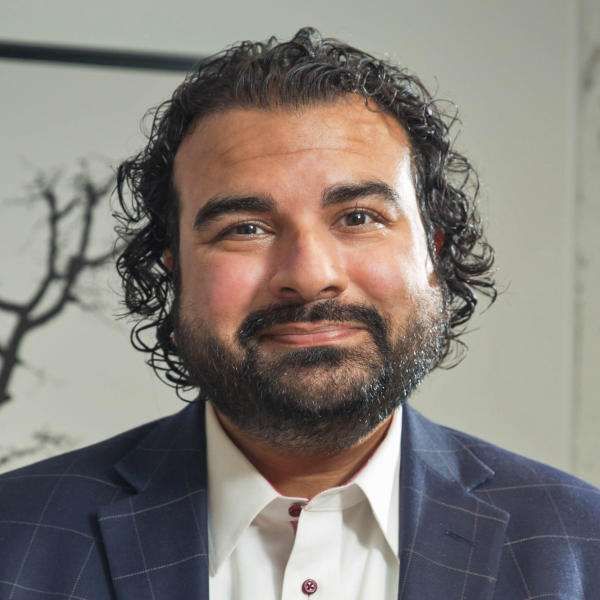
In a significant assessment of the evolving relationship between New Delhi and Washington, a former high-ranking official from the White House and State Department has reportedly characterised India-US ties as currently undergoing a period of "tactical stabilisation," rather than a comprehensive "reset." This nuanced perspective, shared during an interview with IANS, suggests a deliberate and measured approach to bilateral engagement, acknowledging both progress and persistent challenges. The statement from the former official, whose insights often reflect deep institutional knowledge, offers a critical lens through which to view the current trajectory of one of the world's most watched strategic partnerships.
The distinction between "tactical stabilisation" and a "reset" is crucial. A "reset" typically implies a fundamental re-evaluation of the relationship, often following a period of strain or a change in leadership, aiming for a fresh start or a significant overhaul of existing frameworks. In contrast, "tactical stabilisation" suggests a more pragmatic and incremental approach. It points towards a phase where both nations are actively managing immediate issues, consolidating existing gains, and carefully navigating potential divergences, without necessarily embarking on a radical departure from established patterns. This implies a focus on steady, predictable engagement rather than dramatic shifts.
Despite reported advancements in various domains, the former official highlighted that the relationship remains "constrained by lingering strategic mistrust." This underlying current of mistrust, though not explicitly detailed in its origins, could stem from historical geopolitical alignments, differing strategic priorities in certain regions, or even past policy decisions that created reservations on either side. Such a sentiment underscores the complex nature of building deep, trust-based alliances, especially between two large democracies with distinct national interests and foreign policy traditions. Addressing this mistrust is often a long-term diplomatic endeavour.
Counterbalancing the acknowledged mistrust, the former official also pointed to "recent progress on trade and civil nuclear cooperation." These areas represent significant pillars of the bilateral relationship. Progress in trade typically involves efforts to reduce barriers, increase market access, and foster greater economic interdependence, benefiting businesses and consumers in both countries. Similarly, advancements in civil nuclear cooperation often signify a high degree of strategic trust and shared commitment to energy security and non-proliferation goals, building on foundational agreements and ongoing technical collaboration. Such tangible cooperation serves as a vital bridge.
The perspective offered by a former White House and State Department official carries considerable weight. Individuals who have served in such capacities often possess an intricate understanding of the internal workings of US foreign policy, the complexities of international diplomacy, and the historical context shaping bilateral relations. Their insights are not merely academic observations but are informed by direct experience in policy formulation and implementation. Therefore, their assessment of the India-US relationship as being in a "tactical stabilisation" phase, rather than a "reset," provides a valuable, informed perspective on the state of play.
This characterisation suggests a mature phase in India-US relations, where both countries are realistic about the challenges while continuing to build upon areas of convergence. It moves beyond the initial euphoria of burgeoning ties to a more grounded understanding of the enduring complexities. The emphasis on "stabilisation" implies a period of consolidating gains made over the past decades, ensuring the robustness of existing mechanisms, and strengthening institutional linkages. This approach acknowledges that even the most robust partnerships require continuous effort and careful management to thrive amidst evolving global dynamics.
The implications of this "tactical stabilisation" phase for future engagement are noteworthy. It might suggest that while ambitious new initiatives could be pursued, the primary focus will remain on deepening existing cooperation and ensuring the smooth functioning of established dialogues. Rather than seeking a dramatic re-imagining of the partnership, both nations may prioritise incremental, yet impactful, steps to enhance collaboration across strategic, economic, and technological fronts. This measured approach could be seen as a prudent strategy to build enduring trust and overcome lingering reservations.
In the broader geopolitical landscape, the India-US relationship holds immense significance. Both nations are key players in shaping regional and global dynamics, particularly concerning issues of security, economic growth, and democratic values. A phase of "tactical stabilisation" could be interpreted as a strategic pause, allowing both countries to assess the rapidly changing international environment and align their approaches more effectively. This ensures that the partnership remains resilient and adaptable, capable of responding to new challenges and seizing emerging opportunities without being destabilised by external pressures.
Ultimately, the former official's remarks underscore the dynamic and multifaceted nature of the India-US partnership. It is a relationship characterised by a constant interplay of shared interests and differing perspectives, of significant progress alongside persistent hurdles. The acknowledgement of "lingering strategic mistrust" alongside "recent progress on trade and civil nuclear cooperation" paints a realistic picture. This balanced view is essential for fostering a sustainable and mutually beneficial relationship that can navigate the complexities of the 21st century and contribute to global stability and prosperity.
As India and the United States continue to engage on multiple fronts, the insights from experienced policymakers remain invaluable. The current phase, described as one of "tactical stabilisation," suggests a period of careful calibration and strategic patience. It highlights the ongoing evolution of a critical bilateral relationship, one that is continuously being shaped by diplomatic efforts, economic realities, and geopolitical imperatives, with both nations committed to finding common ground while addressing their respective national interests with prudence and foresight.