India turns to Iran for oil and gas after 7-year hiatus, signaling limits to U.S. tilt
India has resumed oil and gas imports from Iran after seven years, in a bid to rebalance its ties with Tehran and secure supplies through the Strait of Hormuz.
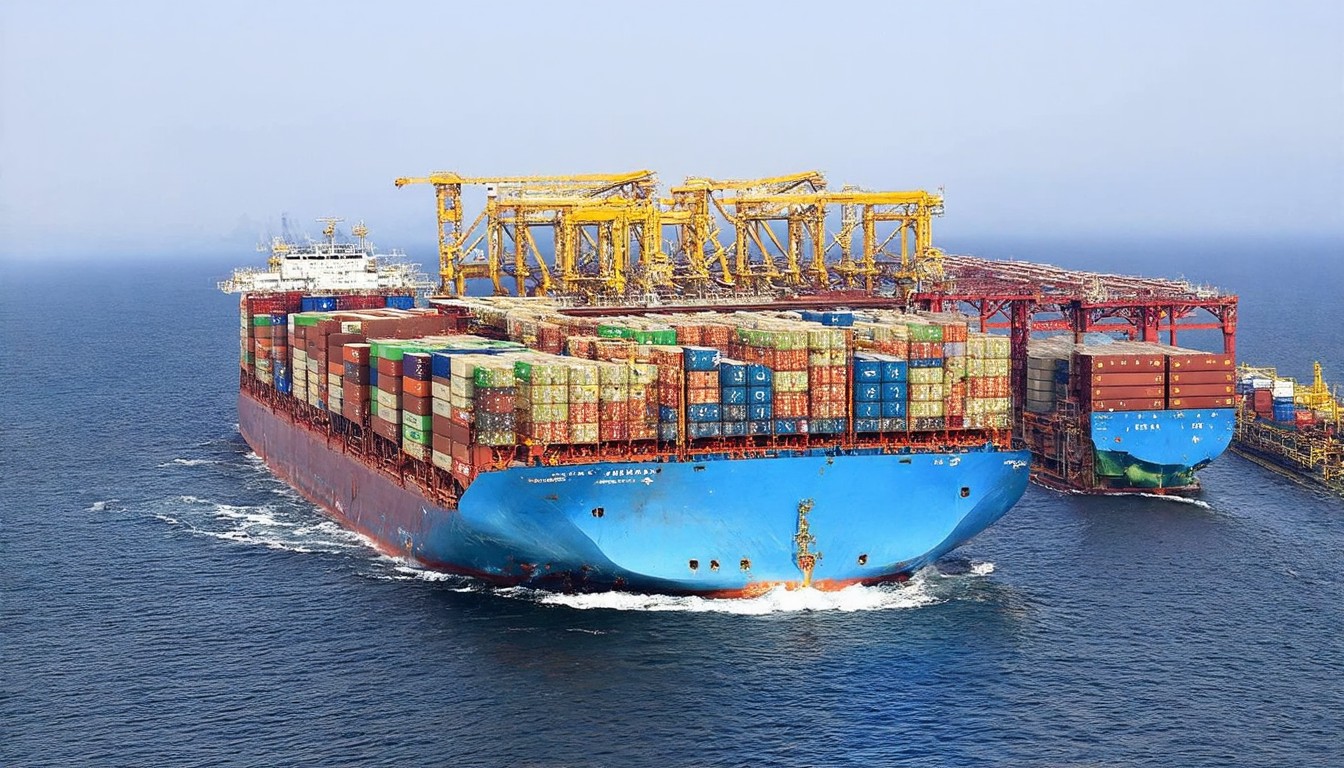
India has recently reopened its oil and gas imports from Iran after a seven-year hiatus, a move that signals a strategic shift in its energy relations and a recognition of the limitations imposed by its tilt towards the United States. This decision underscores India's efforts to diversify its energy sources and reestablish ties with Tehran, a country with which it has had a long-standing relationship.
The resumption of imports comes at a time when India has been grappling with rising oil prices and the need to secure stable energy supplies. The Strait of Hormuz, through which much of Iran's oil exports pass, has been a critical chokepoint for global energy trade. India's decision to resume imports from Iran is therefore seen as a strategic move to ensure access to this vital route and secure a steady supply of oil and gas.
The seven-year hiatus in trade between India and Iran was largely due to geopolitical tensions and sanctions imposed by the United States. During this period, India had turned to other suppliers, including Russia and Saudi Arabia, to meet its energy needs. However, the uncertainties surrounding the Iran nuclear deal and the subsequent easing of sanctions have created an opportunity for India to reconsider its relationship with Iran.
The move to resume imports from Iran also reflects India's broader strategy of diversifying its energy sources. In recent years, India has been increasingly concerned about its dependence on a single supplier and the volatility of global energy markets. By reengaging with Iran, India aims to reduce its reliance on a few key suppliers and enhance its energy security.
Furthermore, India's decision to resume imports from Iran is seen as a diplomatic signal. It indicates that India is willing to engage with countries that have been on the periphery of its foreign policy due to external pressures. This move could potentially open up new avenues for cooperation between India and Iran in areas such as trade, infrastructure, and energy.
However, the resumption of imports from Iran is not without its challenges. The geopolitical landscape in the Middle East remains complex, with ongoing tensions between Iran and the United States. India must navigate these tensions carefully to avoid potential repercussions from its strategic partner, the United States.
In conclusion, India's decision to resume oil and gas imports from Iran after a seven-year hiatus is a significant development in its energy strategy. It highlights the need for diversification and the recognition of the limitations imposed by its tilt towards the United States. As India continues to navigate the complexities of global energy markets and geopolitical tensions, its engagement with Iran could potentially lead to new opportunities for cooperation and enhanced energy security.