India To Host Iran, UAE In May As Part Of BRICS Foreign Ministers' Meet Amid West Asia Crisis
India is actively seeking a common position on the West Asia crisis, and has said BRICS members are directly involved in the situation making it difficult to forge consensus
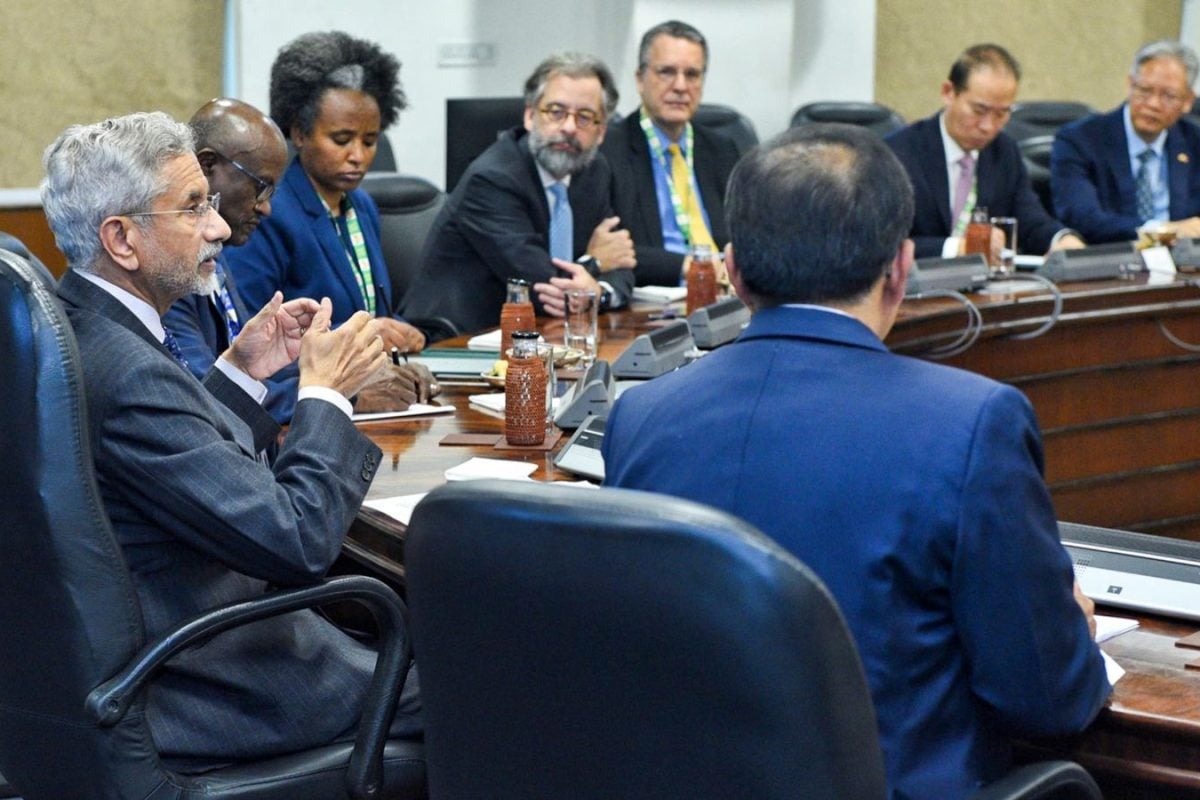
India is set to host the BRICS Foreign Ministers' Meeting in May, with Iran and the United Arab Emirates (UAE) among the participating nations. This development comes amidst the ongoing West Asia crisis, where India is striving to find a unified stance among BRICS members. The involvement of BRICS nations in the region's complex situation has posed challenges in achieving consensus.
The BRICS group, comprising Brazil, Russia, India, China, and South Africa, has long been seen as a counterbalance to the traditional Western powers. However, the West Asia crisis has highlighted the diverse interests and perspectives of its members. India, which has a significant stake in the region due to its historical and economic ties, is playing a pivotal role in mediating between the conflicting parties.
The upcoming meeting in India will focus on addressing the multifaceted issues arising from the West Asia crisis. Key topics are expected to include regional security, economic stability, and humanitarian aid. India's choice of hosting the meeting is seen as an attempt to leverage its strategic position in the region and its growing influence within the BRICS bloc.
Iran and the UAE, both deeply involved in the West Asia crisis, will be crucial participants in the meeting. Their presence signifies the importance of the BRICS group in shaping the regional landscape. However, the differing agendas of these nations, particularly regarding issues such as Iran's nuclear program and the UAE's role in regional conflicts, may pose challenges to the BRICS consensus.
India's active engagement in seeking a common position among BRICS members is a testament to its commitment to multilateral diplomacy. The country recognizes that the West Asia crisis is not merely a regional issue but has global implications. Therefore, it is imperative for the BRICS nations to align their positions and work towards a collective solution.
The involvement of BRICS members in the West Asia crisis has made it difficult to forge a consensus. For instance, China's economic interests in the region, Russia's geopolitical ambitions, and Brazil's focus on energy resources have led to varying priorities among the BRICS nations. South Africa, while not directly involved in the crisis, plays a crucial role in mediating between the conflicting parties due to its historical ties with several nations in the region.
India's role in the upcoming BRICS Foreign Ministers' Meeting is expected to be instrumental in bridging the gaps between the member states. The country's commitment to non-alignment and its ability to understand the nuances of the West Asia crisis will be crucial in facilitating dialogue and fostering cooperation among the BRICS nations.
The meeting will also provide an opportunity for the BRICS group to reaffirm its commitment to promoting peace, stability, and development in the region. By addressing the West Asia crisis collectively, the BRICS nations can demonstrate their growing influence and capability in shaping the global order.
In conclusion, India's hosting of the BRICS Foreign Ministers' Meeting in May, with Iran and the UAE among the participants, underscores the importance of the group in addressing the complexities of the West Asia crisis. While the involvement of BRICS nations in the region poses challenges to achieving consensus, India's proactive approach to seeking a unified stance highlights the potential of the BRICS bloc to play a significant role in global affairs. The upcoming meeting will be a critical opportunity for the BRICS nations to demonstrate their collective strength and commitment to resolving the ongoing crisis in West Asia.