India stays among top Strait of Hormuz users as 8 vessels transit amid Iran chokehold
India-linked vessels to have crossed Hormuz since Feb 28 include Shivalik, Nanda Devi, Jag Laadki, Pine Gas, Jag Vasant, BW Tyr, BW Elm and Green Sanvi
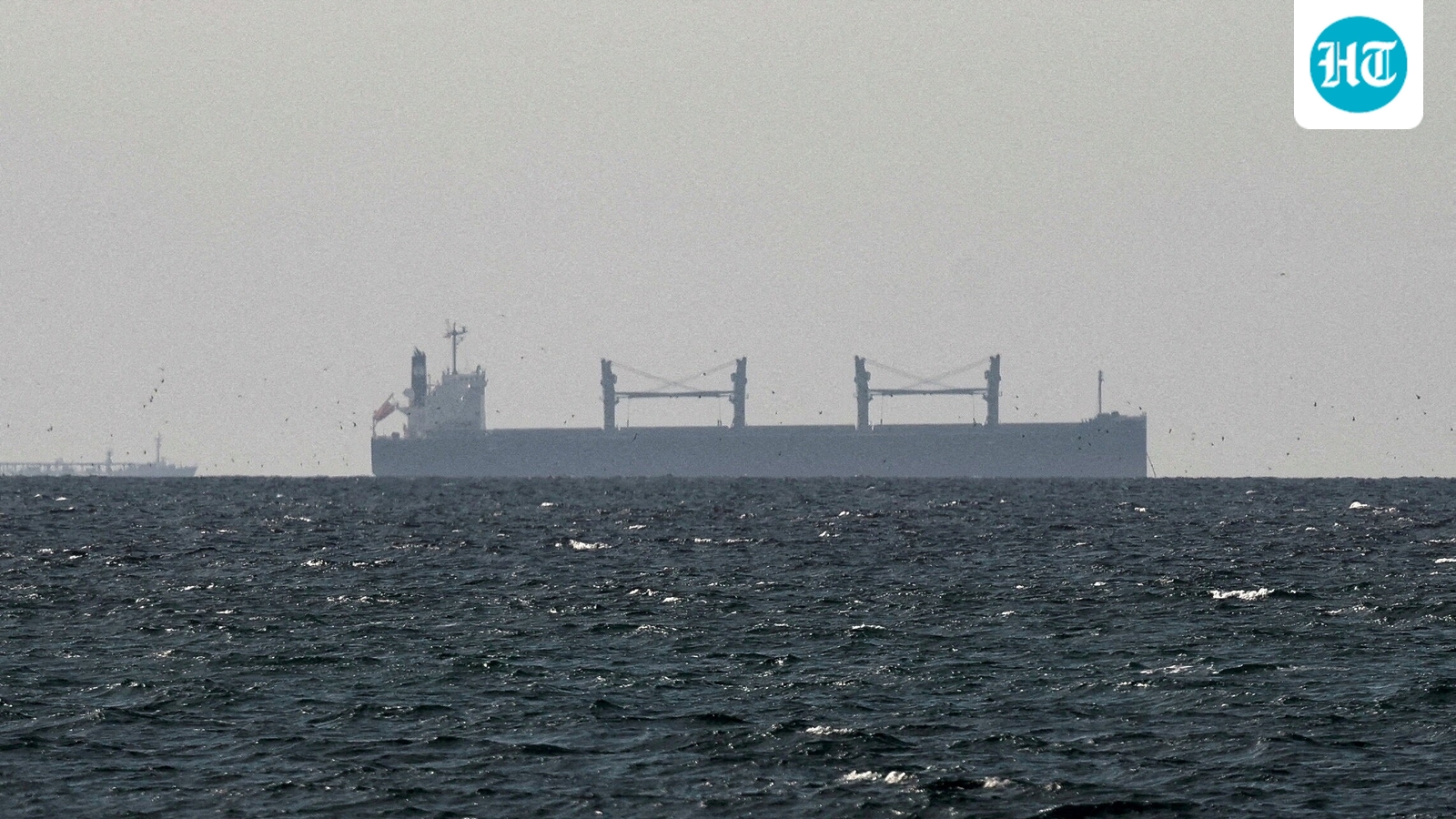
India Maintains Prominent Position in Strait of Hormuz Amid Iranian Chokehold
The Strait of Hormuz, a critical chokepoint for global oil supply, has witnessed significant activity from Indian-linked vessels in recent weeks, despite Iran's tightening grip on the region. Since February 28, eight vessels connected to India have navigated through the strait, highlighting the country's continued reliance on this strategic waterway for trade and energy security.
The Indian-linked vessels that have transited the Strait of Hormuz since February 28 include the Shivalik, Nanda Devi, Jag Laadki, Pine Gas, Jag Vasant, BW Tyr, BW Elm, and Green Sanvi. These ships underscore India's persistent use of the strait, even as tensions in the region have escalated due to Iran's increased naval presence and maritime activities.
The Strait of Hormuz, located between the Persian Gulf and the Gulf of Oman, is a vital maritime route for international oil trade, with approximately 30% of global crude oil passing through it daily. This makes the strait a focal point for geopolitical interests, particularly for countries like India, which heavily depends on oil imports to meet its energy demands.
India's continued use of the Strait of Hormuz amid Iran's tightening grip can be attributed to several factors. Firstly, the strait remains the most economical and efficient route for Indian oil imports, despite the geopolitical risks associated with it. Secondly, alternative routes, such as the longer and more expensive routes around Africa or through the Suez Canal, are not as viable for India's oil-dependent economy.
The Indian government has been closely monitoring the situation in the Strait of Hormuz, particularly in light of Iran's recent actions, which have raised concerns among international stakeholders. In response to the increased tensions, India has sought to diversify its energy sources and strengthen its relationships with other oil-producing nations. However, the Strait of Hormuz remains a critical component of India's energy strategy, and the transits of Indian-linked vessels in recent weeks serve as a testament to this.
The transiting vessels, including the Shivalik, Nanda Devi, Jag Laadki, Pine Gas, Jag Vasant, BW Tyr, BW Elm, and Green Sanvi, are part of India's diverse maritime fleet, which plays a crucial role in maintaining the country's trade and economic stability. These ships carry a range of cargo, from crude oil to other essential goods, ensuring that India's domestic consumption and industrial needs are met.
The Indian government has been vocal about its commitment to maintaining freedom of navigation in the Strait of Hormuz and other strategic maritime routes. This stance is reflected in India's consistent use of the strait, despite the challenges posed by Iran's increased naval presence. India has also been actively engaged in diplomatic efforts to de-escalate tensions in the region and promote stability in the Persian Gulf.
In addition to its energy interests, India's maritime activities in the Strait of Hormuz also have broader geopolitical implications. The transits of Indian-linked vessels highlight the country's growing influence in the region and its ability to navigate complex geopolitical landscapes. This is particularly significant in the context of India's "Act East Policy," which aims to strengthen its presence in Asia and the Indian Ocean, and enhance its strategic autonomy.
However, the increased Iranian presence in the Strait of Hormuz has raised concerns about the safety and security of maritime traffic. The transiting Indian-linked vessels have had to navigate a challenging environment, with heightened tensions and potential risks. India has been working closely with its partners, including the United States and other Gulf Cooperation Council (GCC) nations, to ensure the security and safety of its maritime interests in the region.
In conclusion, India's continued use of the Strait of Hormuz, despite Iran's tightening grip, underscores the country's strategic importance in the region and its reliance on this critical chokepoint for its energy and trade needs. The transits of Indian-linked vessels, including the Shivalik, Nanda Devi, Jag Laadki, Pine Gas, Jag Vasant, BW Tyr, BW Elm, and Green Sanvi, since February 28 are a reflection of India's persistent efforts to maintain its position as a key player in the Persian Gulf and the broader Indian Ocean region. As tensions in the Strait of Hormuz continue to escalate, India will need to balance its economic interests with the need for regional stability and security, while diversifying its energy sources and strengthening its strategic partnerships.