India sends emergency relief supplies to flood and earthquake-hit Afghanistan
External Affairs Ministry spokesperson Randhir Jaiswal said India is committed to extending humanitarian assistance to the Afghan people in this challenging time
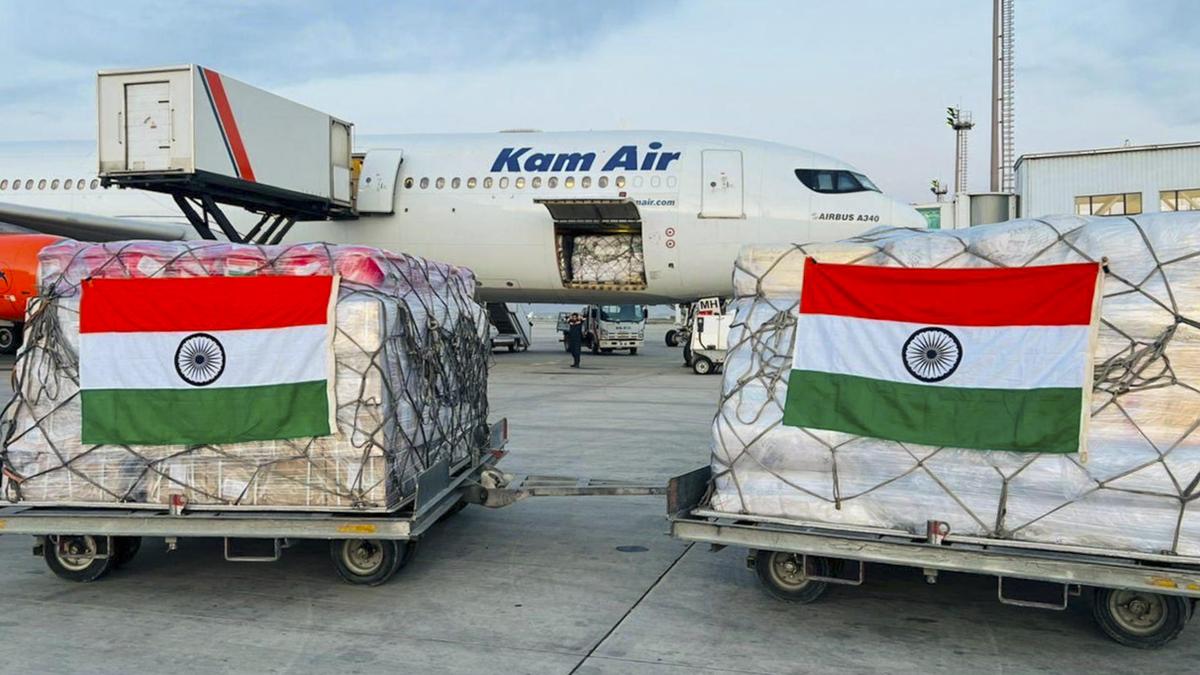
India has recently dispatched emergency relief supplies to Afghanistan, which has been hit by devastating floods and earthquakes. The country's External Affairs Ministry spokesperson, Randhir Jaiswal, emphasized India's commitment to providing humanitarian aid to the Afghan people during this difficult period. This move underscores the longstanding relationship between the two nations and India's role as a key player in regional humanitarian efforts.
The recent natural disasters in Afghanistan have caused widespread devastation, leaving thousands of people displaced and in urgent need of assistance. The floods, which occurred in the eastern provinces, have submerged homes and infrastructure, while the earthquake, which struck the northwestern region, has further compounded the crisis by causing significant damage to buildings and loss of life. In the wake of these calamities, the international community, including India, has stepped up to offer support.
India's decision to send relief supplies is part of a broader effort to demonstrate solidarity with Afghanistan, a country that has faced numerous challenges in recent years. The Indian government has consistently prioritized humanitarian aid, recognizing the importance of helping those in need during times of crisis. This commitment is not only a reflection of India's diplomatic ties with Afghanistan but also a testament to its global responsibilities as a leading nation in the realm of humanitarian assistance.
The relief supplies dispatched by India include essential items such as food, medicine, and shelter materials. These resources are crucial for providing immediate assistance to those affected by the disasters. By offering this aid, India aims to alleviate the suffering of the Afghan people and help them rebuild their lives. The Indian government has also emphasized the importance of working closely with international organizations and other countries to ensure a coordinated and effective response to the crisis.
Randhir Jaiswal's statement highlights India's dedication to supporting Afghanistan in times of need. This commitment is not without historical context, as both nations have a long-standing relationship that dates back centuries. India has been a key ally of Afghanistan, particularly during times of conflict and instability. The current humanitarian aid effort is another example of this enduring partnership, as India stands by its neighbor to help them overcome the challenges posed by the recent natural disasters.
The Indian government's decision to send relief supplies to Afghanistan also reflects its broader foreign policy objectives. By engaging in humanitarian efforts, India aims to strengthen its diplomatic ties and enhance its influence in the region. This approach not only demonstrates India's compassion and commitment to global peace but also positions it as a responsible and proactive member of the international community.
In addition to the immediate relief supplies, India has also pledged to support long-term recovery efforts in Afghanistan. This includes investments in infrastructure rebuilding and capacity-building initiatives to help the country become more resilient against future disasters. By committing to such projects, India is not only aiding Afghanistan's recovery but also fostering a more stable and prosperous region for all.
The recent humanitarian aid effort by India is a significant gesture that highlights the importance of international cooperation in addressing global crises. In a world where natural disasters and conflicts are becoming increasingly frequent and severe, nations must work together to provide aid and support to those in need. India's commitment to Afghanistan serves as a powerful example of how countries can come together to make a difference in the lives of millions of people.
In conclusion, India's dispatch of emergency relief supplies to flood and earthquake-hit Afghanistan is a testament to its unwavering commitment to humanitarian aid. This effort is not only a reflection of the strong ties between the two nations but also a demonstration of India's global responsibilities and leadership in the realm of humanitarian assistance. As the world continues to face numerous challenges, the collaboration and solidarity exhibited by India in supporting Afghanistan serve as a crucial reminder of the power of international cooperation in addressing global crises.