'India Only Country To Lose Mariners At Hormuz': Foreign Secretary At UK-Led Iran War Talks
India joins UK led talks on reopening Strait of Hormuz, stresses de escalation, maritime freedom and energy security after losing sailors, says outreach helped 6 ships cross safely
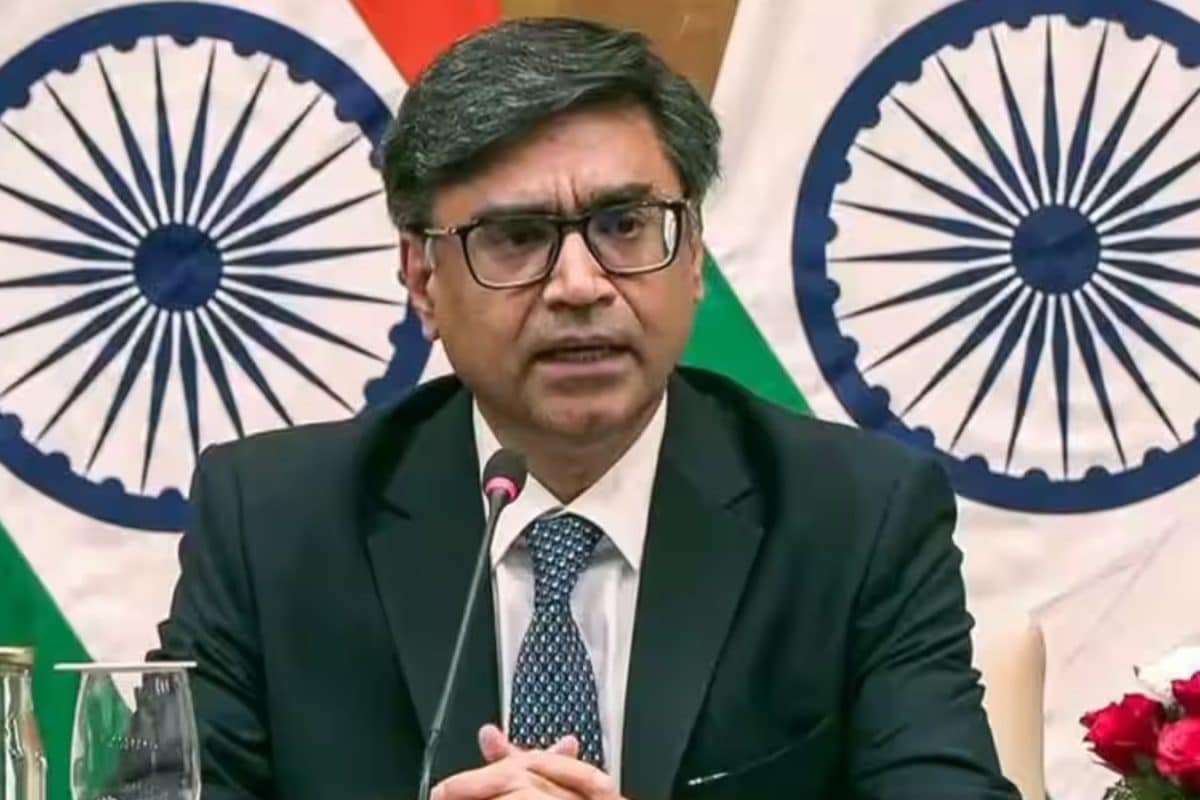
India's Foreign Secretary recently attended a pivotal UK-led diplomatic meeting focused on reopening the Strait of Hormuz, a critical maritime chokepoint. The talks came after India suffered a significant loss of mariners in the region, underscoring the importance of securing energy security and promoting maritime freedom. The Indian delegation emphasized the need for de-escalation and highlighted how proactive outreach had helped six of its ships safely navigate the strait.
The Strait of Hormuz, connecting the Persian Gulf to the Gulf of Oman, is a vital shipping lane for global oil supplies. It has been a focal point of geopolitical tensions, particularly in recent years, as tensions between Iran and other nations have risen. India, a major importer of oil, has been keen to ensure the uninterrupted flow of energy resources through this strategic waterway.
India's decision to join the UK-led talks reflects its commitment to maintaining regional stability and promoting maritime freedom of navigation. The loss of Indian sailors in the strait has served as a stark reminder of the dangers faced by maritime nations in this volatile region. The Indian Foreign Secretary's participation in the talks underscores the country's proactive approach to addressing these challenges and working collaboratively with international partners.
During the talks, the Indian delegation stressed the importance of de-escalation to prevent further incidents that could disrupt global energy markets. The loss of Indian mariners has highlighted the need for increased cooperation among nations to ensure the safety of maritime traffic in the strait. The Indian Foreign Secretary reiterated India's commitment to promoting peace and stability in the region, emphasizing that such incidents should not be allowed to escalate into larger conflicts.
In addition to de-escalation, the Indian delegation also focused on energy security. India is heavily dependent on oil imports, and the Strait of Hormuz plays a crucial role in meeting its energy needs. The loss of mariners has underscored the vulnerability of India's energy supply chain, making it even more imperative to ensure the safe passage of ships through the strait. The talks provided an opportunity for India to voice its concerns and collaborate with other nations to find solutions that safeguard energy security.
One of the key achievements of the Indian delegation during the talks was the successful navigation of six of its ships through the Strait of Hormuz. This was made possible through proactive outreach and diplomatic efforts, which helped mitigate potential risks and ensure the safety of the vessels. The success of these efforts demonstrates the value of diplomatic engagement in managing maritime challenges and maintaining the flow of trade and resources.
The UK-led talks also highlighted the importance of multilateral cooperation in addressing the complex issues surrounding the Strait of Hormuz. The involvement of India, along with other key stakeholders, showcases the need for a unified approach to ensure the security and stability of this strategically important region. The talks provided a platform for nations to share their perspectives and work towards a common goal of promoting maritime freedom and preventing further incidents that could disrupt global energy markets.
In conclusion, India's participation in the UK-led talks on reopening the Strait of Hormuz reflects its commitment to regional stability and energy security. The loss of Indian mariners has served as a wake-up call, emphasizing the need for de-escalation and proactive diplomatic engagement. The successful navigation of six Indian ships through the strait, facilitated by outreach efforts, demonstrates the potential of collaborative solutions in managing maritime challenges. As tensions in the region remain high, the importance of continued dialogue and cooperation cannot be overstated. The talks mark a significant step towards ensuring the safe and uninterrupted flow of energy resources through the Strait of Hormuz, a vital lifeline for global economies.