India's AI Future, Political Dynamics, Urban Challenges Examined
A recent analysis from Business Standard's opinion page explores India's complex landscape, examining the potential of its AI gap, the dynamics of market exuberance, Dharmendra Pradhan's political trajectory, the rising importance of digital trustworthiness, a

India finds itself at a critical juncture, navigating a confluence of technological advancements, evolving political landscapes, and persistent societal challenges. A recent opinion piece from Business Standard delves into these multifaceted issues, offering a comprehensive look at the nation's trajectory. The analysis explores whether India's current position in the artificial intelligence (AI) race, often perceived as a gap, could paradoxically emerge as a strategic advantage. This perspective invites a deeper examination of how a nation can leverage its unique developmental stage to forge a distinct and sustainable path in the global AI ecosystem.
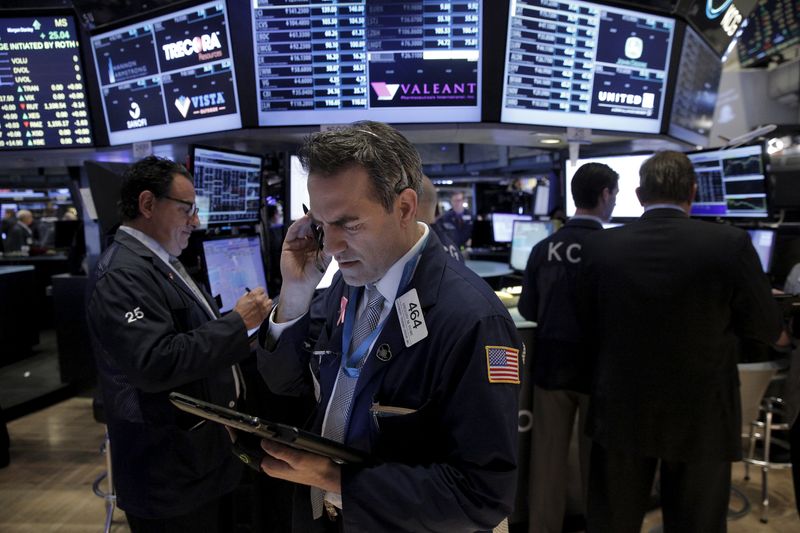
The discussion around India's AI gap is particularly pertinent in an era marked by significant global “AI-driven market exuberance.” This phenomenon refers to the widespread optimism and often speculative investment driving valuations in the technology sector, particularly in companies associated with artificial intelligence. While advanced economies have seen rapid deployment and significant capital infusion into AI initiatives, India's measured pace could offer an opportunity to observe, learn from, and potentially circumvent the pitfalls encountered by early adopters. This cautious approach might enable the development of AI solutions that are more robust, ethical, and specifically tailored to India's diverse socio-economic fabric, rather than simply replicating Western models.
Beyond the technological frontier, the opinion piece also casts a spotlight on the political arena, specifically examining the political prospects of Dharmendra Pradhan. As a prominent figure in Indian politics, the analysis of his trajectory reflects broader discussions within the political landscape regarding leadership, policy direction, and future governance. Such assessments are crucial for understanding the potential shifts in political power and the implications for national policy-making, especially concerning key sectors that Mr. Pradhan has been associated with throughout his career. The ongoing evaluation of political figures' roles and influence remains a constant in India's vibrant democratic discourse.
In the digital realm, the growing importance of E-E-A-T—Experience, Expertise, Authoritativeness, and Trustworthiness—is another significant theme explored. This framework, increasingly vital in the age of information overload and misinformation, emphasizes the need for high-quality, credible content. For a nation like India, with its vast digital consumer base and burgeoning online content creation, upholding E-E-A-T standards is paramount. It ensures that public discourse, whether on technological advancements like AI or political developments, is grounded in reliable information, fostering informed decision-making and strengthening public trust in digital platforms and news sources.
Simultaneously, India grapples with a deepening urban governance challenge. Rapid urbanization, driven by population growth and migration, has placed immense pressure on existing infrastructure, resources, and administrative capacities in cities across the country. Issues such as sustainable housing, efficient public transport, waste management, pollution control, and equitable access to basic services continue to escalate. The opinion piece underscores the increasing complexity of these challenges, highlighting the urgent need for innovative policy frameworks, robust urban planning, and effective implementation strategies to ensure livable and sustainable urban environments for millions.
The interconnectedness of these diverse themes cannot be overstated. For instance, the strategic deployment of AI, if developed thoughtfully and ethically, could offer transformative solutions to urban governance challenges, from optimizing traffic flow and managing public utilities to enhancing citizen services. Similarly, the principles of E-E-A-T are crucial for disseminating accurate information about urban development projects and fostering public participation, ensuring transparency and accountability in governance. The political prospects of leaders like Dharmendra Pradhan are intrinsically linked to their capacity to address these pressing national issues through effective policy and visionary leadership.
The analysis suggests that India's unique position, rather than being a disadvantage, could be an opportunity for strategic differentiation. By carefully navigating the global AI landscape, fostering political stability, ensuring digital integrity, and tackling urban complexities with renewed vigour, India can chart a course that is both progressive and rooted in its specific needs and aspirations. The discussions presented serve as a timely reminder that a holistic approach is essential for sustainable national development.
Ultimately, the insights from the Business Standard opinion page underscore the dynamic interplay between technological evolution, political leadership, and societal well-being. India's journey forward will depend on its ability to harness the potential of emerging technologies like AI while simultaneously strengthening democratic institutions, ensuring the credibility of information, and building resilient, well-governed urban centres. These are not isolated challenges but rather interconnected facets of a larger national narrative, demanding integrated and forward-thinking solutions from policymakers, industry leaders, and citizens alike.
The ongoing discourse surrounding these critical issues reflects a nation actively engaged in self-assessment and strategic planning. The questions posed, from the potential blessing of an AI gap to the intricacies of urban management, are fundamental to shaping India's socio-economic and political future. Addressing these challenges effectively will be key to unlocking the nation's full potential on the global stage, ensuring inclusive growth and sustainable development for all its citizens.