India has emerged as resilient power from multiple global shocks says EAM Jaishankar
Jaishankar also noted that India's ability to manage domestic and international challenges has solidified its position among the world's top five economies.
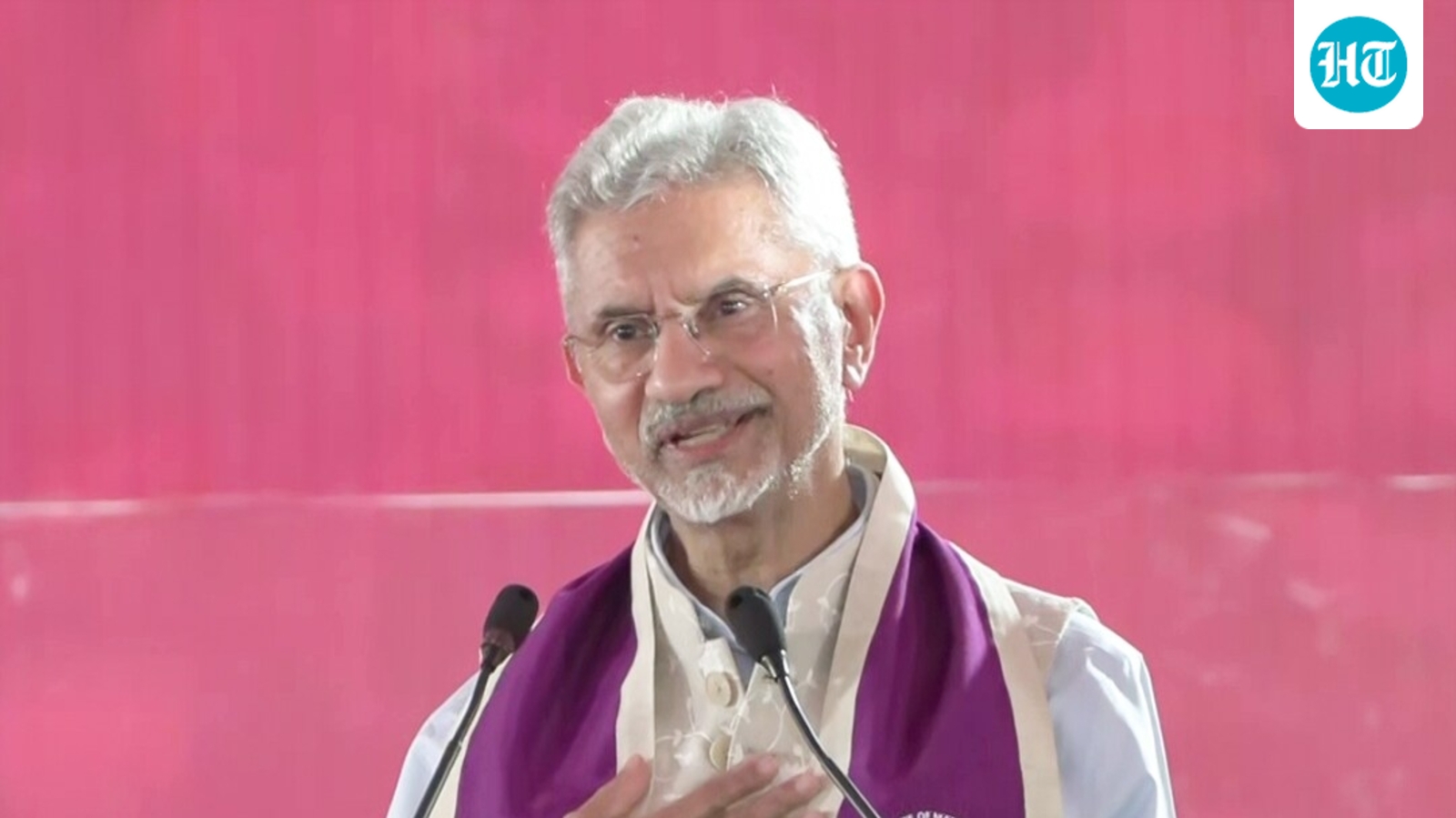
India has emerged as a resilient power from multiple global shocks, according to External Affairs Minister (EAM) Jaishankar. In a recent address, Jaishankar highlighted the country's ability to navigate through various challenges, both domestically and internationally, which has reinforced its status as one of the world's leading economies.
The past few years have witnessed a series of global disruptions, including the COVID-19 pandemic, geopolitical tensions, and supply chain issues. These shocks have tested the mettle of many nations, but India has managed to emerge relatively unscathed. This resilience is a testament to the country's diverse and adaptable economy, which has shown remarkable stability in the face of adversity.
Jaishankar emphasized that India's ability to manage these challenges has solidified its position among the world's top five economies. This achievement is noteworthy, given the global economic landscape and the numerous obstacles that many countries have faced. India's resilience is a result of a combination of factors, including its large and diverse population, strategic investments in sectors like technology and infrastructure, and a proactive approach to addressing domestic and international issues.
One of the key factors contributing to India's resilience is its large and diverse population. With over 1.3 billion people, India has a vast labor force and a diverse range of skills and talents. This diversity has allowed the country to adapt to changing economic conditions and to capitalize on new opportunities. Additionally, India's large population provides a stabilizing effect on its economy, as there is a broad base of consumers and workers to support economic growth.
Another important factor is India's strategic investments in technology and infrastructure. Over the past few years, the government has made significant investments in sectors like digital infrastructure, renewable energy, and artificial intelligence. These investments have not only boosted economic growth but have also positioned India as a leader in emerging technologies. By investing in these areas, India has been able to diversify its economy and reduce its dependence on traditional sectors that may be more vulnerable to global shocks.
Jaishankar also noted that India's proactive approach to addressing domestic and international challenges has played a crucial role in its resilience. The country has taken a leading role in global forums, such as the United Nations and the G20, to address issues like climate change, trade, and security. By engaging proactively on the global stage, India has been able to shape the international environment in a way that is conducive to its economic interests.
Furthermore, India's ability to manage domestic challenges has been a significant factor in its resilience. The country has implemented policies and initiatives to address issues like poverty, unemployment, and income inequality. These efforts have helped to create a more inclusive and equitable society, which in turn has contributed to sustained economic growth.
In conclusion, India's emergence as a resilient power from multiple global shocks is a result of a combination of factors, including its large and diverse population, strategic investments in technology and infrastructure, and a proactive approach to addressing domestic and international challenges. By navigating these challenges successfully, India has solidified its position among the world's top five economies and has positioned itself as a leader in the global economic landscape. As the world continues to face various uncertainties, India's resilience serves as a beacon of hope and a model for other nations to follow.