India-flagged LPG carrier ‘Green Asha’ crosses Strait of Hormuz; Another step in strengthening energy security
New Delhi: The India flagged vessel Green Asha has successfully transited the Strait of Hormuz, official sources told ANI on April 6, Monday. This marks the eighth India-flagged vessel carrying LPG to transit the strategic energy chokepoint since February 28, when the conflict in West Asia began. The Strait of Hormuz is the critical maritime passage that is responsible for the transit of 20 to 25 per cent of global oil. Nearly 40 to 50 per cent of India’s energy needs comes through the Strait of Hormuz, thus making it a critical factor in fulfilling the energy priorities of India. Meanwhile, India-flagged large gas carrier Green Sanvi has safely transited the Strait of Hormuz on April 3, Friday night, carrying approximately 46,650 metric tonnes of Liquefied Petroleum Gas (LPG) cargo, official sources said. Earlier on March 28, a shipment of 47,000 metric tonnes of Liquefied Petroleum Gas (LPG) arrived at the Vadinar Terminal of DPA Kandla in Jamnagar, Gujarat, on Aprril 4, Saturday. The vessel, MT Jag Vasant, is set to transfer its cargo to another ship at anchorage through a Ship-to-Ship (STS) operation. Also Read: India advances indigenous project Kusha to match Russian S-400 missile system, strengthen air defence at half the cost The warships of Indian Navy were on a standby to provide support to the merchant vessels and ensure their safe passage without being targeted to bombardments. The Centre has been in talks with Iranian authorities to allow Indian vessels to pass through the Strait of Hormuz
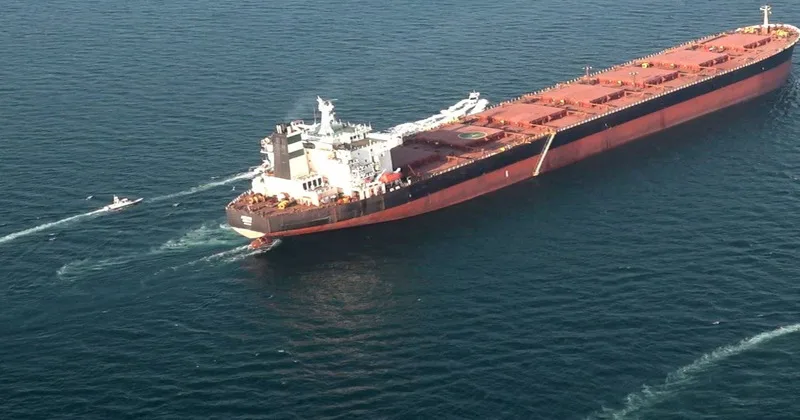
The India-flagged LPG carrier 'Green Asha' has successfully crossed the Strait of Hormuz, marking another significant step in strengthening India's energy security. Official sources reported this development to ANI on April 6, noting that this is the eighth India-flagged vessel carrying LPG to transit the strategic energy chokepoint since the conflict in West Asia began on February 28. The Strait of Hormuz is a critical maritime passage responsible for the transit of 20 to 25 percent of global oil, with nearly 40 to 50 percent of India's energy needs passing through it. This makes the strait a vital factor in fulfilling India's energy priorities.
In addition to the Green Asha, another India-flagged large gas carrier, Green Sanvi, safely navigated the Strait of Hormuz on April 3, carrying approximately 46,650 metric tonnes of Liquefied Petroleum Gas (LPG) cargo. Earlier, on March 28, a shipment of 47,000 metric tonnes of LPG arrived at the Vadinar Terminal of DPA Kandla in Jamnagar, Gujarat, on April 4. The vessel, MT Jag Vasant, is scheduled to transfer its cargo to another ship at anchorage through a Ship-to-Ship (STS) operation.
The Indian Navy's warships have been on standby to provide support to merchant vessels and ensure their safe passage without being targeted by bombardments. The Indian government has been in talks with Iranian authorities to allow Indian vessels to pass through the Strait of Hormuz amid a maritime blockade caused by the ongoing conflict in West Asia. Earlier, the Shipping Ministry informed that there were 18 vessels and around 485 seafarers in the Persian Gulf.
During a joint inter-ministerial briefing on recent developments in the Gulf region, Additional Secretary, Ministry of Ports, Shipping and Waterways, Mukesh Mangal, stated that all Indian vessels and crew currently in the Persian Gulf are being closely monitored. The successful transit of these LPG carriers underscores India's resilience in maintaining its energy supply amid geopolitical tensions in the region. The government's proactive measures, including the support of the Indian Navy and diplomatic engagements with Iran, have played a crucial role in ensuring the safe passage of these vital energy supplies.
This development also highlights the importance of maritime security and the need for robust infrastructure to support India's growing energy needs. As the country continues to diversify its energy sources and enhance its energy security, the successful navigation of India-flagged vessels through the Strait of Hormuz serves as a testament to the nation's ability to adapt and thrive in challenging geopolitical environments. The ongoing efforts to secure safe passage for Indian vessels in the region further demonstrate the government's commitment to safeguarding the interests of Indian seafarers and ensuring the stability of the country's energy supply chain.