India Enters Second Stage of Nuclear Programme as Kalpakkam Breeder Reactor Achieves Criticality
India has achieved a major milestone in its civil nuclear energy programme after the country’s most advanced atomic reactor, the Prototype Fast Breeder Reactor (PFBR) at Kalpakkam in Tamil Nadu, attained criticality, marking the start of a sustained nuclear fission chain reaction and bringing the facility a crucial step closer to full operation. Prime Minister […] The post India Enters Second Stage of Nuclear Programme as Kalpakkam Breeder Reactor Achieves Criticality appeared first on Tfipost.com .
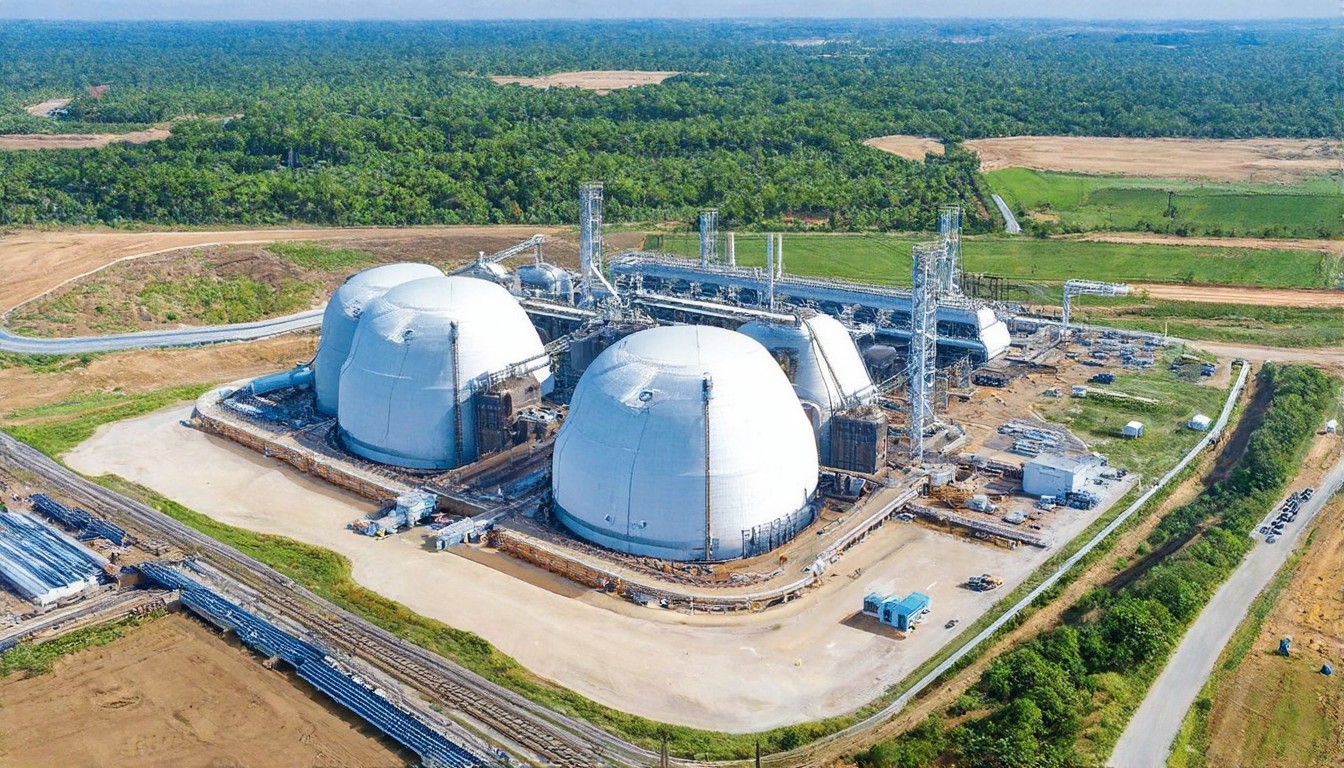
India has made a significant stride in its nuclear energy programme as the Prototype Fast Breeder Reactor (PFBR) at Kalpakkam in Tamil Nadu achieved criticality, marking the beginning of a sustained nuclear fission chain reaction. This milestone brings the facility closer to full operation and signifies the entry into the second stage of India's nuclear power programme. Prime Minister Narendra Modi hailed the achievement as a defining moment in the country's nuclear journey, emphasizing that the indigenously designed and built reactor showcases India's scientific expertise and engineering capabilities.
Criticality in nuclear terminology refers to the stage at which a reactor achieves a self-sustaining chain reaction. At this point, each nuclear fission event produces enough neutrons to trigger another reaction, allowing the process to continue steadily without external intervention. Although the reactor is not yet generating electricity at full capacity, attaining criticality is a crucial step before a nuclear plant can begin commercial power generation.
The PFBR, a 500-megawatt electric sodium-cooled fast breeder reactor, has been in development for over two decades. The project has presented complex engineering and technological challenges, making it one of the most ambitious undertakings by India's atomic energy establishment. Operated by Bharatiya Nabhikiya Vidyut Nigam Limited under the Department of Atomic Energy at the Indira Gandhi Centre for Atomic Research campus in Kalpakkam, the reactor forms a key part of India's long-term strategy to strengthen its nuclear fuel cycle and achieve energy independence.
Dr. Ajit Kumar Mohanty, Chairman of the Atomic Energy Commission and Secretary of the Department of Atomic Energy, stated that this achievement underscores India's commitment to developing advanced nuclear technology and harnessing its vast thorium reserves. The PFBR's successful attainment of criticality not only validates the country's capabilities in nuclear engineering but also positions India as a leading player in the global nuclear energy landscape.
The development of the PFBR is part of India's broader vision to diversify its energy sources and reduce dependence on imported fossil fuels. By leveraging thorium, a more abundant and environmentally friendly fuel compared to uranium, India aims to ensure long-term energy security and sustainability. The achievement at Kalpakkam is expected to pave the way for the deployment of similar reactors across the country, contributing to India's goal of achieving 450 gigawatts of installed nuclear capacity by 2030.
This milestone also highlights India's dedication to scientific research and development. The PFBR project has involved a significant investment in human capital and technological know-how, fostering a skilled workforce capable of addressing future challenges in the nuclear energy sector. The successful attainment of criticality by the PFBR is a testament to the relentless efforts of India's scientists and engineers, who have worked tirelessly to realize the country's nuclear ambitions.
In his address, Prime Minister Modi emphasized that this achievement is not just a technological success but also a national one, reflecting India's unwavering commitment to innovation and self-reliance. He reiterated the government's resolve to prioritize nuclear energy as a key component of the country's energy mix, ensuring affordable and reliable electricity for all citizens.
As the PFBR moves closer to commercial operation, India stands on the cusp of a new era in its nuclear energy programme. The successful attainment of criticality marks a significant step towards energy independence and positions the country as a formidable player in the global nuclear arena. With continued investment and support, India is poised to unlock the full potential of its nuclear capabilities, driving sustainable development and enhancing the quality of life for its people.