India denies that Iranian crude oil ship diverted to China over payment issues, cites ‘trade optimisation’ as reason
The ministry informed that amid the Middle East crisis, Indian refiners have secured crude oil from Iran and there is no payment hurdle.
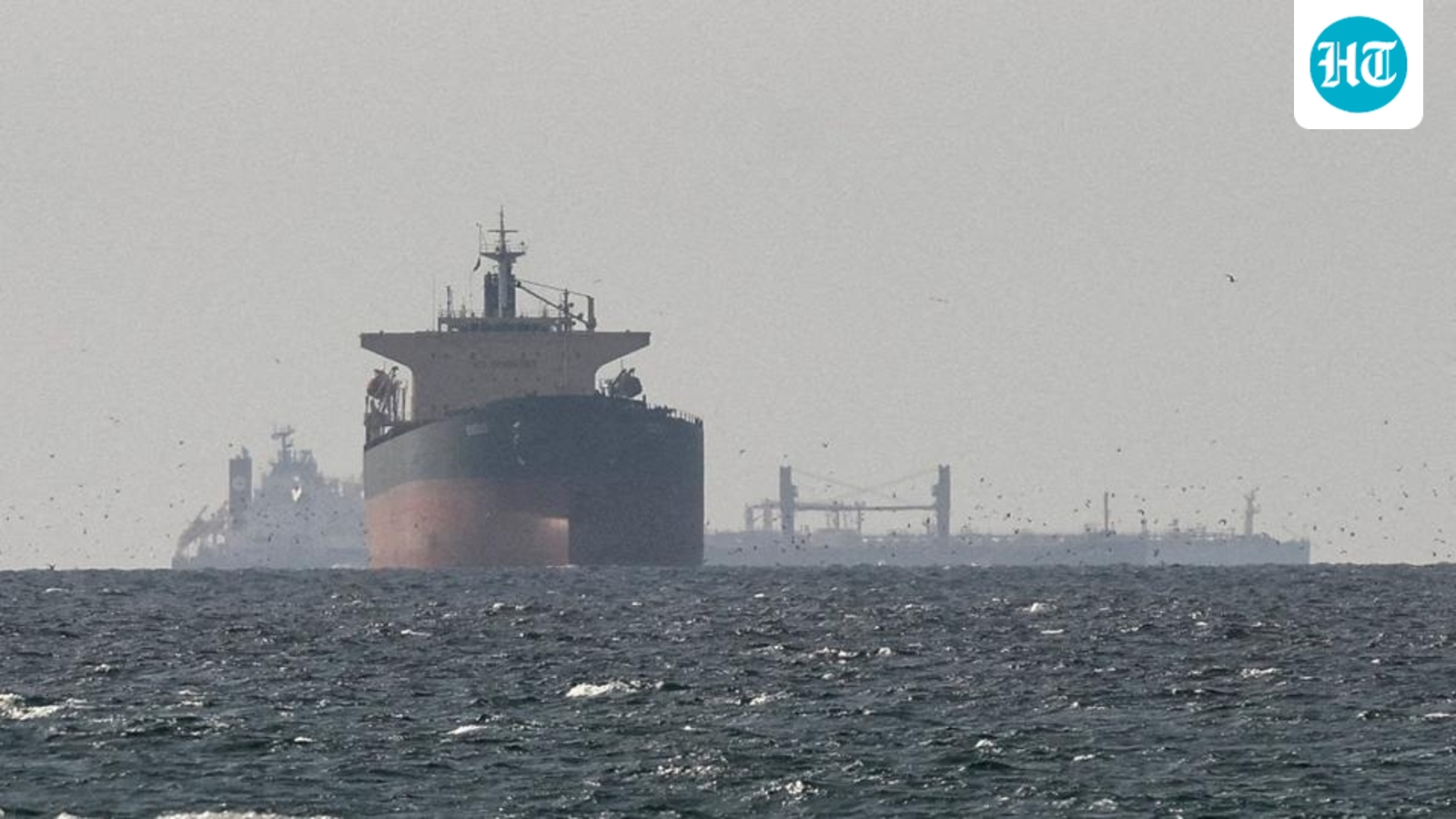
India has firmly denied reports suggesting that a shipment of Iranian crude oil was diverted to China due to payment issues, instead attributing the rerouting to efforts to optimize trade. The Indian Ministry of Petroleum and Natural Gas recently issued a statement clarifying that there are no payment obstacles hindering the import of Iranian crude oil.
The Middle East crisis has indeed created a complex geopolitical landscape, with many countries scrambling to secure alternative energy supplies. India, a major importer of crude oil, has been actively seeking to diversify its sources to mitigate risks associated with regional instability. In this context, the country has been working closely with Iran to ensure a steady supply of oil, despite the challenges posed by global sanctions and geopolitical tensions.
The Indian refiners have been successful in securing crude oil from Iran, as highlighted by the ministry. This development is part of India's broader strategy to enhance its energy security and reduce dependence on a single source. The ministry emphasized that the rerouting of the oil shipment to China was not due to any payment-related issues but rather a strategic decision aimed at optimizing trade routes and maximizing economic benefits.
The ministry further explained that the decision to divert the shipment was made in consultation with relevant stakeholders and was based on a thorough analysis of market conditions and logistical factors. By rerouting the oil to China, India aims to leverage its existing trade relationships with the country and explore new avenues for economic cooperation.
India's move to optimize trade has been met with mixed reactions from various stakeholders. Some experts have praised the government for its proactive approach in managing the oil supply chain amidst the Middle East crisis. They argue that the diversification of trade routes and partners is crucial for ensuring energy security and stability.
However, critics have expressed concerns about the potential implications of rerouting the oil shipment. They argue that such decisions could lead to increased competition in the global oil market and potentially affect India's own refining capacity. There are also questions about the long-term sustainability of relying on Iranian crude oil, given the ongoing geopolitical tensions in the region.
Despite these concerns, the Indian government remains committed to its strategy of optimizing trade and diversifying energy sources. The ministry has reiterated that the country is working closely with Iran to ensure a consistent supply of crude oil, while also exploring other potential sources to further enhance energy security.
In conclusion, India's decision to divert a shipment of Iranian crude oil to China has been framed as a strategic trade optimization move rather than a payment-related issue. The country's refiners have secured crude oil from Iran, and the ministry has assured that there are no payment hurdles. This development is part of India's broader efforts to diversify its energy sources and ensure a stable supply of crude oil amid the Middle East crisis. While the move has been met with both praise and criticism, the Indian government remains focused on optimizing trade and enhancing energy security through strategic partnerships and diversification.