India car dealers warn Iran war may hit supplies
They warned of possible supply or dispatch disruptions in the near term.
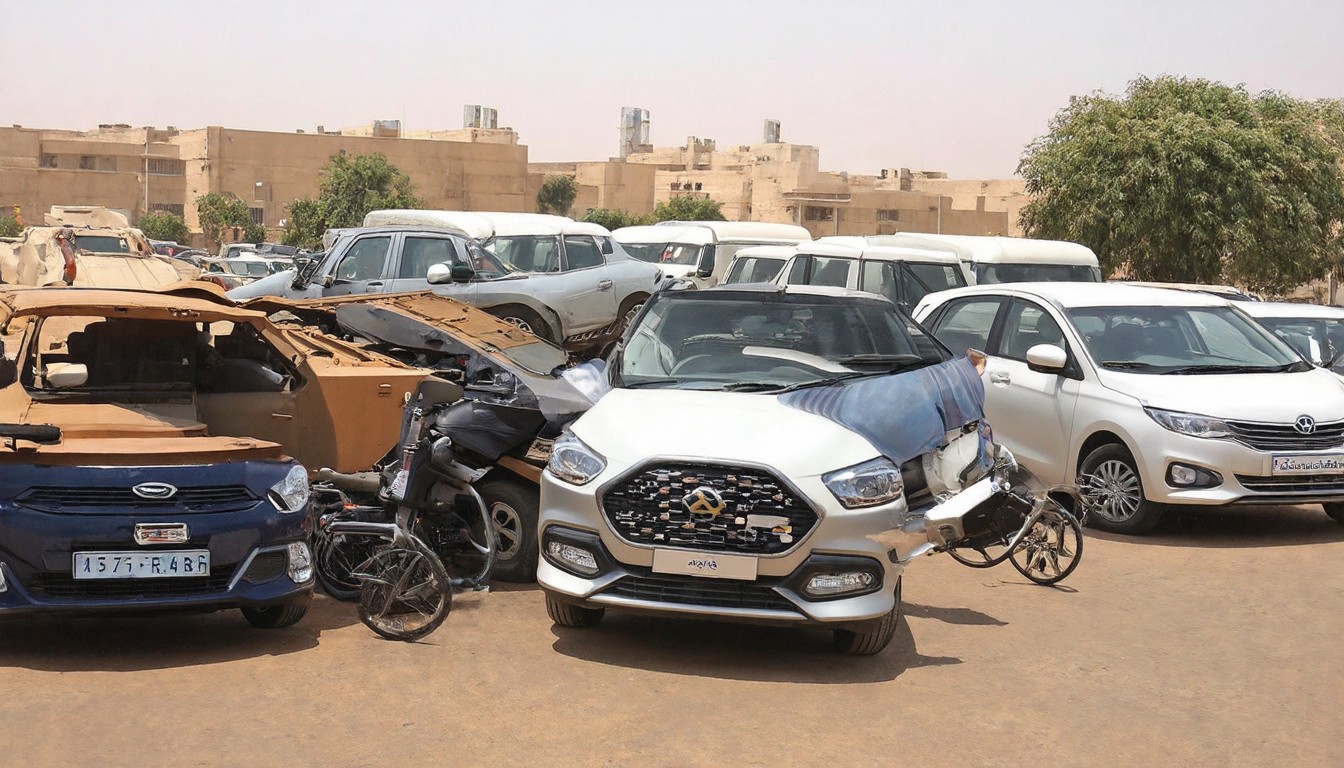
Indian car dealers have recently expressed concerns over potential disruptions in the supply and dispatch of vehicles in the near term, citing the possibility of escalating tensions in the Iran region. The situation has raised alarms among industry stakeholders, who are already grappling with rising fuel prices and inflationary pressures.
The primary concern stems from the fact that a significant portion of the automotive components, particularly those related to engines and transmissions, are imported from Iran. These components are crucial for the Indian automobile industry, which relies heavily on imports to meet domestic demand. The dealers argue that any potential conflict in the region could lead to delays in the supply chain, causing shortages and price hikes for consumers.
In addition to the direct impact on supply, the dealers also highlight the potential for increased fuel prices due to geopolitical instability. Iran is a major producer of crude oil, and any disruption in its exports could lead to global price increases. This, in turn, would further strain the already struggling automobile sector, which is already facing challenges from rising fuel costs and inflation.
The Indian automobile industry has been experiencing a slowdown in recent years, with sales dipping due to economic uncertainty and changing consumer preferences. The potential disruption in supply chains due to regional tensions could exacerbate these issues, leading to job losses and reduced competitiveness for Indian automakers.
Dealers have called for the government to take proactive measures to mitigate the potential risks. They suggest exploring alternative sources of supply for critical components and investing in domestic production to reduce reliance on imports. Additionally, they propose incentives for consumers to switch to more fuel-efficient vehicles, which could help alleviate some of the pressure on fuel prices.
The situation in the Iran region remains volatile, with tensions between Iran and other regional powers, including the United States, continuing to escalate. While no immediate conflict is certain, the possibility of disruption has prompted the Indian automobile industry to prepare for potential challenges.
In response to the concerns, the Indian government has assured the industry that it is closely monitoring the situation and working towards diversifying supply sources. However, the industry remains cautious, emphasizing the need for a robust and resilient supply chain to ensure stability in the face of geopolitical uncertainties.
As the situation unfolds, the Indian automobile industry will need to navigate a complex landscape of economic and geopolitical factors. The potential disruption in supply chains due to regional tensions serves as a stark reminder of the interconnected nature of global markets and the need for adaptability in the face of uncertainty.
In conclusion, the warnings from Indian car dealers highlight the vulnerabilities in the automobile supply chain and the potential impact of geopolitical instability on the industry. While the situation in the Iran region remains uncertain, the industry is taking steps to prepare for potential disruptions and ensure the stability of its operations. The challenges ahead will require a combination of strategic planning, government support, and proactive measures to safeguard the interests of both consumers and producers in the Indian automobile sector.