UPI-KHQR Live in Cambodia: Seamless Payments for Indians
A significant digital connectivity milestone has been achieved as India and Cambodia officially launch UPI-KHQR interoperability, enabling Indian tourists to make seamless, real-time QR code payments at over 4.5 million merchant locations across Cambodia. This
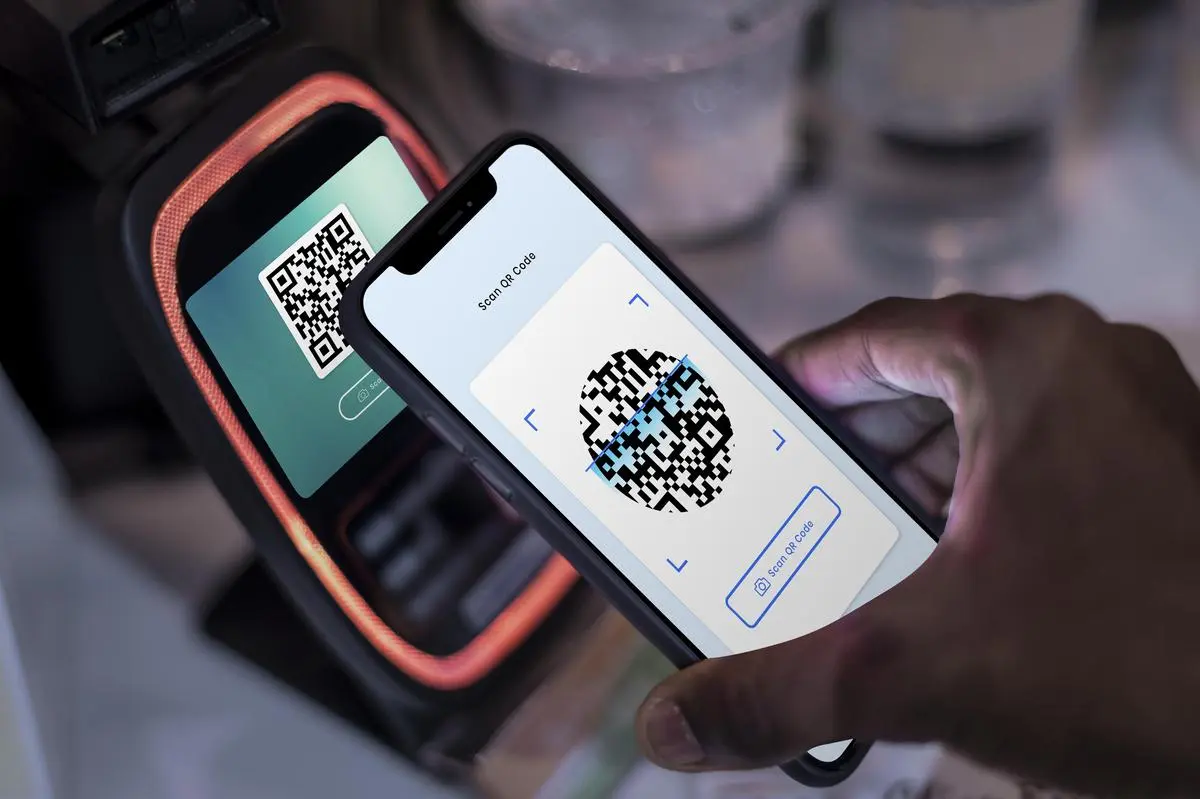
The landscape of international digital payments has witnessed a significant leap forward with the official launch of UPI-KHQR connectivity between India and Cambodia. This groundbreaking initiative now allows Indian travellers visiting Cambodia to execute real-time QR code payments directly from their Indian bank accounts at an impressive network of over 4.5 million merchant establishments across the Southeast Asian nation. This development is poised to fundamentally transform how Indian tourists manage their finances abroad, offering unparalleled convenience and security.
India's Unified Payments Interface (UPI) has been a transformative force within its domestic economy, revolutionising digital transactions through its simplicity, speed, and widespread adoption. Since its inception, UPI has enabled millions of Indians to conduct instant, secure, and cashless payments for everyday needs, from purchasing groceries to paying utility bills. Its success lies in its interoperable nature, allowing users to transact across various banking platforms and payment applications with just a QR code or a mobile number, thus fostering a robust digital ecosystem.
The newly established UPI-KHQR connectivity leverages the strengths of both nations' payment systems. KHQR, Cambodia's national QR code payment system, now seamlessly integrates with India's UPI, creating a unified platform for cross-border transactions. This technical integration means that an Indian traveller can simply scan a KHQR code at a Cambodian merchant outlet using their UPI-enabled mobile application, and the payment will be processed instantly, deducting funds directly from their linked Indian bank account. This eliminates the need for physical currency exchange or reliance on international credit/debit cards, which often come with associated fees and less favourable exchange rates.
For Indian travellers, the benefits of this integration are manifold. The primary advantage is the sheer convenience of not having to carry large amounts of foreign currency or constantly search for money changers. Payments become as simple and familiar as they are back home in India, enhancing the overall travel experience. Furthermore, transactions are conducted in real-time, providing instant confirmation and transparency, which can significantly aid in budgeting and expense tracking during their trip. The security aspect is also paramount, as digital payments reduce the risk associated with carrying cash.
Cambodian merchants, in turn, stand to gain substantially from this digital bridge. With India being a rapidly growing source of outbound tourists, the ability to accept UPI payments directly opens up a vast new customer segment. This not only streamlines their payment acceptance process but also potentially increases sales by making it easier for Indian tourists to spend. Reduced cash handling, lower operational costs associated with traditional card payments, and faster settlement times are additional advantages that could boost the efficiency and profitability of businesses, from bustling street vendors to large retail chains.
This strategic collaboration is not an isolated event but rather a significant step in India's broader vision to globalise its successful digital public infrastructure. India has been actively promoting UPI as a model for other nations, aiming to foster greater financial inclusion and digital economic growth worldwide. Such bilateral payment linkages are seen as crucial components of India's digital diplomacy, strengthening economic ties and technological cooperation with partner countries by sharing proven, scalable solutions that benefit both consumers and businesses.
The integration also underscores the growing trend towards regional and global interoperability in digital payments. As economies become increasingly interconnected, the demand for seamless, low-cost, and efficient cross-border transaction mechanisms continues to rise. Initiatives like UPI-KHQR connectivity serve as a blueprint for how nations can collaborate to build robust digital bridges, facilitating trade, tourism, and investment by removing traditional financial barriers and fostering a more integrated global financial ecosystem. This partnership could potentially pave the way for further collaborations in the digital domain, fostering a stronger bond between the two nations.
Looking ahead, the successful implementation and adoption of UPI-KHQR in Cambodia could serve as a powerful precedent for similar integrations with other countries, particularly within the Southeast Asian region. As more nations recognise the efficiency and user-friendliness of UPI, the network of cross-border digital payment corridors is expected to expand, creating a more interconnected and accessible global financial landscape for travellers and businesses alike. This move reinforces India's position as a leader in digital payment innovation and a key player in shaping the future of global financial technology.
In conclusion, the launch of UPI-KHQR connectivity between India and Cambodia marks a pivotal moment in the evolution of international digital payments. It not only offers immediate, tangible benefits to Indian travellers and Cambodian merchants but also signifies a broader strategic alignment towards digital innovation and economic cooperation. This initiative stands as a testament to the power of shared digital infrastructure in fostering stronger bilateral ties and propelling both nations into a more connected, cashless future.