India-Bound LPG Tanker Moves Through Strait Of Hormuz, Two More Vessels Set To Follow
The tanker has received clearance from Iranian authorities, with the IRGC Navy facilitating safe passage by designating the vessels as friendly nation shipping.
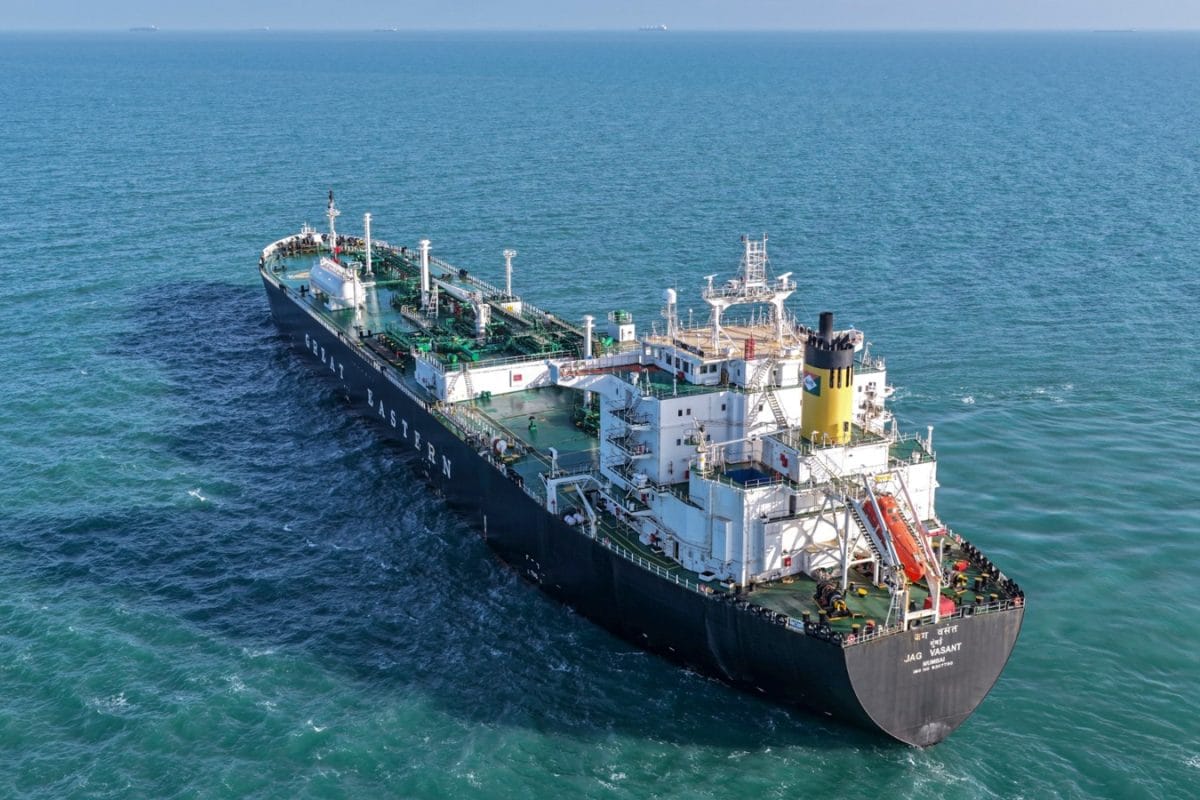
The Strait of Hormuz, a crucial chokepoint for global oil and gas trade, has recently witnessed an unusual sight: an India-bound liquefied petroleum gas (LPG) tanker navigating its narrow waters. This vessel, which has received clearance from Iranian authorities, is the first of several to make the journey through the strategically significant strait. The Indian tanker's safe passage is a testament to the complex dynamics of regional politics and the delicate balances of maritime security.
The Strait of Hormuz, connecting the Persian Gulf to the Gulf of Oman, is a vital artery for international trade, with approximately 30% of global oil and 20% of LPG passing through it daily. Its narrow width, often less than 50 kilometers, and the strategic importance of the region have made it a focal point for geopolitical tensions. The strait is home to numerous maritime incidents, from piracy to territorial disputes, and has been a flashpoint in the ongoing rivalry between Iran and the United States.
The Indian LPG tanker's journey through the Strait of Hormuz is not without precedent. Historically, the strait has been a common route for Indian vessels transporting goods from the Middle East. However, the recent clearance from Iranian authorities highlights a shift in the regional landscape. The Islamic Revolutionary Guard Corps (IRGC) Navy, responsible for the security of Iranian waters, has facilitated the safe passage of the tanker by designating it as "friendly nation shipping." This designation is a significant development, as it reflects a strategic decision by Iran to allow Indian vessels to navigate its waters without hindrance.
The move by Iran to grant clearance to the Indian LPG tanker is part of a broader diplomatic effort to strengthen ties with India. Both countries have been working to improve their bilateral relations, which have been strained in recent years due to geopolitical tensions and differing views on regional issues. The decision to allow Indian vessels to pass through the Strait of Hormuz without obstruction is seen as a gesture of goodwill, aimed at fostering economic cooperation and reducing tensions in the region.
The safe passage of the Indian tanker is also significant in the context of the ongoing tensions between Iran and the United States. The Trump administration's "maximum pressure" campaign against Iran has led to increased scrutiny of vessels navigating the Strait of Hormuz, with the U.S. Navy frequently patrolling the area. The clearance of the Indian tanker by Iranian authorities could be interpreted as a challenge to U.S. dominance in the region, as it demonstrates Iran's ability to assert control over its maritime borders and facilitate trade with its chosen partners.
The Indian government has welcomed the clearance of its LPG tanker, viewing it as a positive development in its relations with Iran. The move is seen as an opportunity to expand economic ties and diversify energy supplies, as India has long sought to reduce its dependence on Middle Eastern oil. The safe passage of the tanker through the Strait of Hormuz could pave the way for increased trade between India and Iran, potentially leading to further economic cooperation and a more stable regional environment.
However, the situation is not without its complexities. The Strait of Hormuz remains a volatile region, with ongoing threats from pirates, terrorists, and potential military conflicts. The safe passage of the Indian tanker is a temporary measure, and the long-term stability of the strait will depend on the resolution of regional tensions and the ability of all stakeholders to navigate the challenges of maritime security.
As two more vessels are set to follow the Indian LPG tanker through the Strait of Hormuz, the international community will be watching closely. The clearance of these vessels by Iranian authorities could signal a shift in Iran's foreign policy, as it seeks to expand its economic ties and counterbalance the influence of the United States in the region. The safe passage of these vessels will also have implications for global energy markets, as it could lead to increased LPG supplies and potentially stabilize prices.
In conclusion, the safe passage of the India-bound LPG tanker through the Strait of Hormuz is a significant event that reflects the complex interplay of geopolitics, maritime security, and economic interests in the region. The clearance of the tanker by Iranian authorities, facilitated by the IRGC Navy, is a testament to the evolving dynamics of Iran-India relations and the broader geopolitical landscape. As more vessels navigate the strait, the international community will need to closely monitor the situation, ready to adapt to the changing realities of the Middle East.