India Attends UK-Led Summit On Efforts To Reopen Strait Of Hormuz
UK invites India to talks on reopening Strait of Hormuz amid West Asia tensions, MEA says Indias Foreign Secretary will attend the meeting
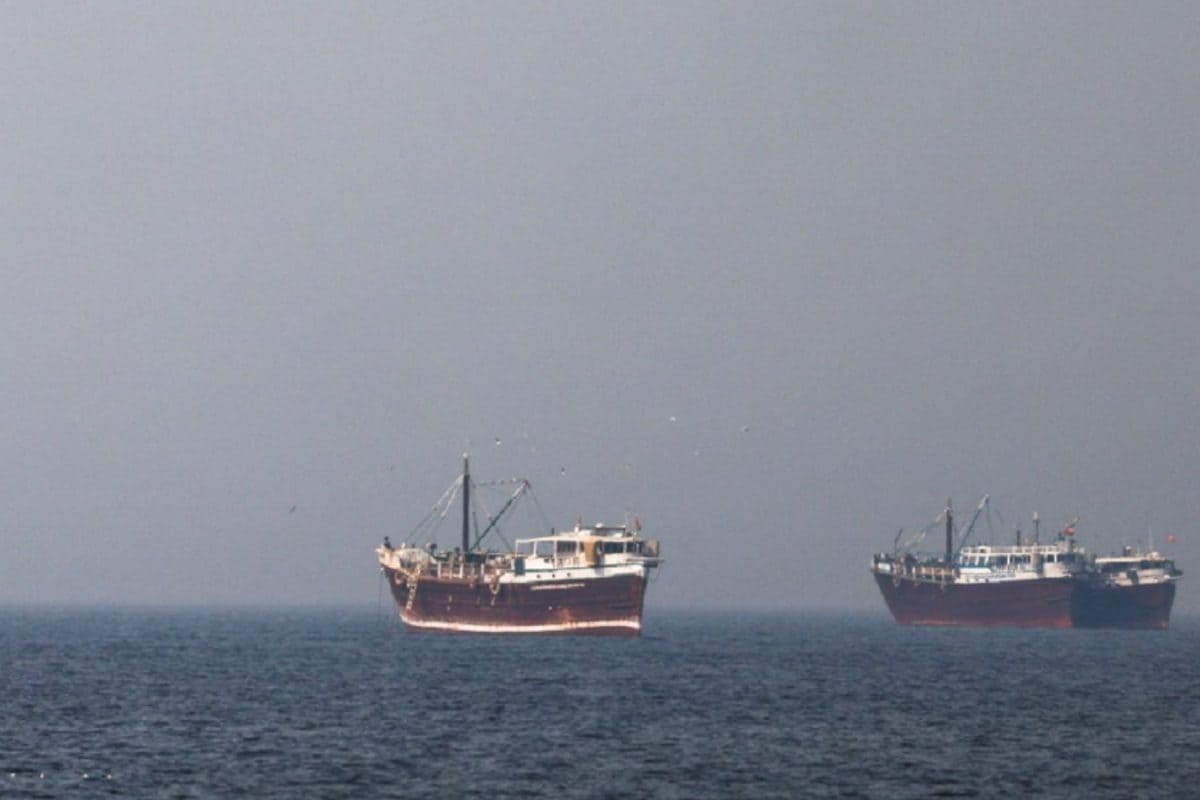
The United Kingdom has invited India to participate in a summit aimed at reopening the Strait of Hormuz, a critical maritime route in the Middle East. The move comes as tensions in West Asia escalate, with the UK seeking to engage India in discussions to address the geopolitical challenges posed by the strait's current situation. The Ministry of External Affairs (MEA) has confirmed that India's Foreign Secretary will attend the meeting, signaling the country's commitment to regional stability and its role as a key player in global energy diplomacy.
The Strait of Hormuz, located between the Persian Gulf and the Gulf of Oman, is a vital chokepoint for global oil and gas shipping, with approximately 30% of global crude oil and 20% of liquefied natural gas passing through it daily. Its strategic importance has long been a focal point of international attention, with nations and organizations vying for influence in the region. However, recent developments, including the ongoing tensions between Iran and the United States, have raised concerns about the strait's security and the potential for disruption to global energy markets.
The UK's invitation to India underscores its recognition of the country's growing influence in the region and its ability to mediate between competing interests. India has been a vocal advocate for the reopening of the strait, emphasizing the need for stability and predictability in the region to ensure the smooth flow of energy resources. The UK, in turn, is seeking to leverage its historical ties with India and its current status as a non-permanent member of the UN Security Council to facilitate a diplomatic solution.
India's Foreign Secretary's attendance at the summit is a significant development, as it highlights the country's proactive approach to regional issues. India has been closely monitoring the situation in the Strait of Hormuz, particularly given its dependence on Middle Eastern oil and its strategic partnerships with both Iran and the Gulf Cooperation Council (GCC) states. By participating in the UK-led talks, India aims to contribute to a dialogue that promotes peace and security in the region, while also safeguarding its own energy interests.
The UK's decision to involve India in the discussions reflects a broader trend of regional powers engaging with each other to address complex geopolitical challenges. With both countries sharing a common interest in maintaining regional stability and ensuring the free flow of maritime traffic, the UK-India partnership presents an opportunity for constructive dialogue and collaboration.
The summit will likely focus on several key issues, including the potential for diplomatic engagement between Iran and the United States, the role of regional organizations in managing the strait, and the need for international cooperation to prevent any disruptions to global energy markets. India's participation will be crucial in fostering a sense of shared responsibility among the region's key players, as well as in promoting a multilateral approach to resolving the ongoing tensions.
In addition to its role in energy diplomacy, the UK-India summit also serves as a platform for discussing broader regional and global issues. As both countries are deeply engaged in efforts to address climate change, promote sustainable development, and uphold international law, the meeting provides an opportunity to strengthen their strategic partnership and align their policies on a range of critical agendas.
The UK's invitation to India is not without its complexities, however. The country's relationship with Iran has been strained in recent years, with India facing pressure from both the US and Iran to take a stance on the nuclear issue. By participating in the UK-led talks, India must navigate these delicate dynamics while ensuring that its actions do not inadvertently exacerbate tensions in the region.
Furthermore, India's engagement with the UK in the Strait of Hormuz discussions may have implications for its relations with other regional actors, such as Saudi Arabia and the United Arab Emirates. While India has traditionally maintained a balanced approach to its relations with the Gulf states, the UK-led summit could potentially shift the balance of power in the region, with India emerging as a key mediator between competing interests.
In conclusion, the UK's invitation to India to participate in the summit on reopening the Strait of Hormuz marks a significant development in regional diplomacy. By engaging India in the discussions, the UK is recognizing the country's growing influence and its ability to contribute to a more stable and predictable environment in West Asia. India's Foreign Secretary's attendance at the meeting signals the country's commitment to addressing the challenges posed by the strait's current situation and its determination to play a proactive role in global energy diplomacy. As the summit proceeds, the focus will be on fostering a sense of shared responsibility among regional powers, promoting dialogue, and ensuring the free flow of maritime traffic to safeguard global energy markets. The outcome of these discussions will have far-reaching implications for the region, as well as for the international community as a whole.