In the Philippines, Rising Fuel Prices Force Travelers to Stay Home During Holy Week
Surging gasoline prices in the Philippines have forced some people to cancel or scale back the Visita Iglesia, a Holy Week tradition in which Catholics travel to seven churches.
In the Philippines, the Holy Week is a time of deep religious reflection and family gatherings, marked by the Visita Iglesia tradition. This year, however, the festivities have been overshadowed by soaring fuel prices, compelling many travelers to reconsider their plans and stay home.
The Visita Iglesia, a centuries-old Catholic tradition, involves visiting seven churches during Holy Week to pray and participate in the solemn rituals that commemorate the Passion, Death, and Resurrection of Jesus Christ. For many Filipinos, this tradition is not just a religious duty but also an opportunity to reunite with family and friends, often traveling long distances to reach the various churches.
However, the rising cost of gasoline has become a significant barrier for many. Over the past few months, fuel prices in the Philippines have surged due to a combination of factors, including global market fluctuations, inflation, and increased demand during the holiday season. This has made it increasingly difficult for travelers to afford the journey, leading to a noticeable decline in the number of people participating in the Visita Iglesia.
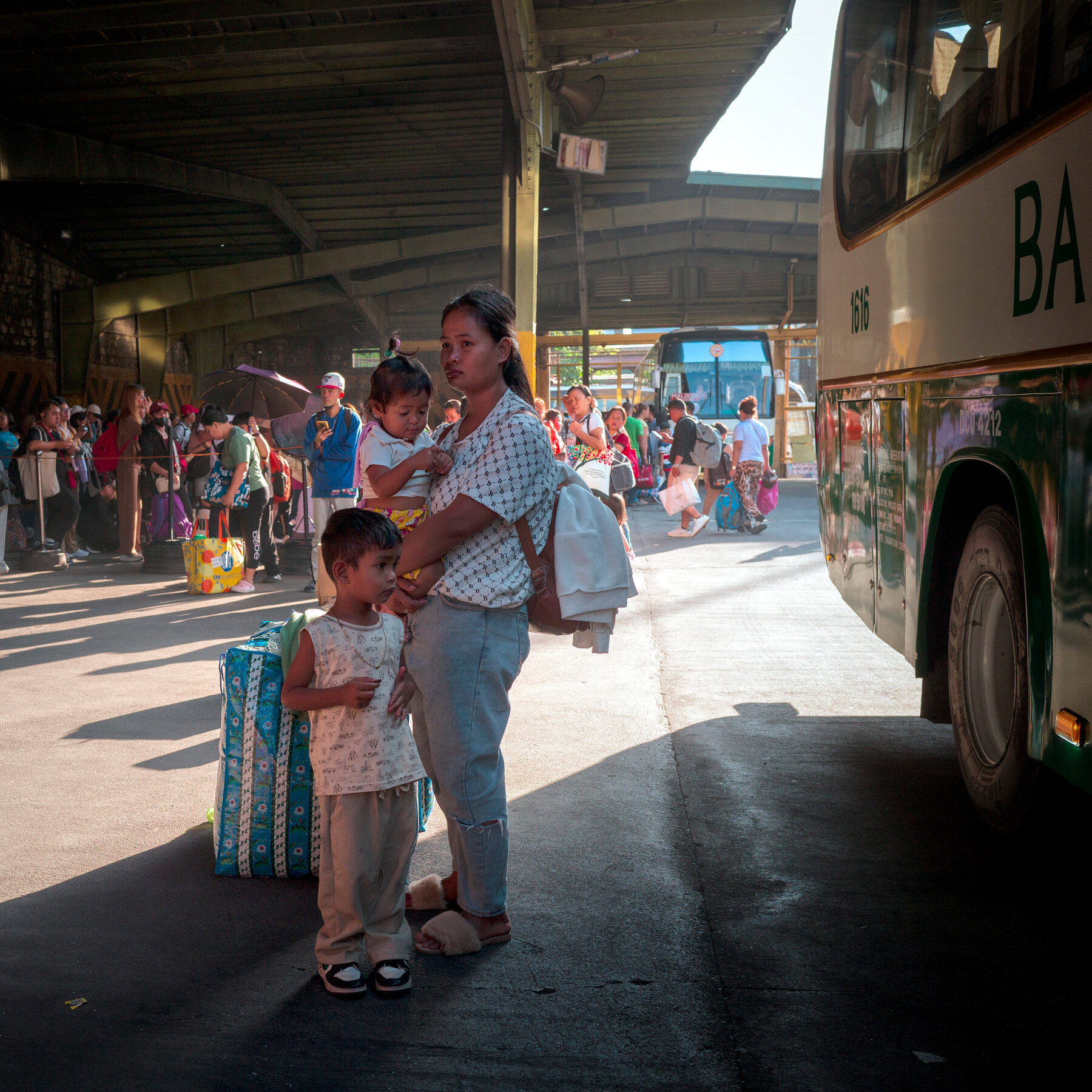
In urban areas, such as Manila and Quezon City, the impact of high fuel prices is evident at bus terminals. Normally bustling with people preparing to embark on their Holy Week trips, the terminals have seen a marked decrease in activity this year. Families and friends who would typically gather to support one another in their pilgrimage are now reevaluating their plans, opting instead to stay home or visit churches in their local neighborhoods.
The situation is particularly challenging for those who live in rural or remote areas, where public transportation options are limited. For these individuals, the Visita Iglesia often represents a rare opportunity to connect with the wider Catholic community and participate in the rich cultural and spiritual tapestry of Holy Week. The rising cost of fuel has made such journeys unaffordable, leaving many feeling isolated and disconnected from the tradition.
In response to the situation, some Filipinos have turned to alternative modes of transportation, such as carpooling or using private vehicles. However, even these options are becoming increasingly expensive, as fuel costs continue to rise. Additionally, many have expressed concerns about the environmental impact of increased reliance on private vehicles, further complicating the decision to travel.
The Catholic Church in the Philippines has also been affected by the rising fuel prices. Many parishes, which traditionally welcome visitors from across the country during Holy Week, have reported a decline in foot traffic. This has led to a decrease in revenue for local businesses that rely on the influx of tourists and pilgrims, exacerbating the economic challenges faced by the community.
Despite the difficulties posed by high fuel prices, the spirit of Holy Week endures. Many Filipinos are adapting to the circumstances, finding new ways to participate in the tradition. For instance, some have opted to visit churches closer to their homes or to engage in virtual pilgrimages, using social media and online platforms to connect with fellow believers.
In conclusion, the Holy Week in the Philippines this year stands as a testament to the resilience of the Filipino people. While rising fuel prices have forced many to reconsider their travel plans, the tradition of Visita Iglesia remains a vital part of the nation's cultural and spiritual heritage. As Filipinos navigate these challenges, they continue to demonstrate their ability to adapt and find new ways to honor the sacred week, ensuring that the spirit of Holy Week lives on.