In the Philippines, Rising Fuel Prices Force Travelers to Stay Home During Holy Week
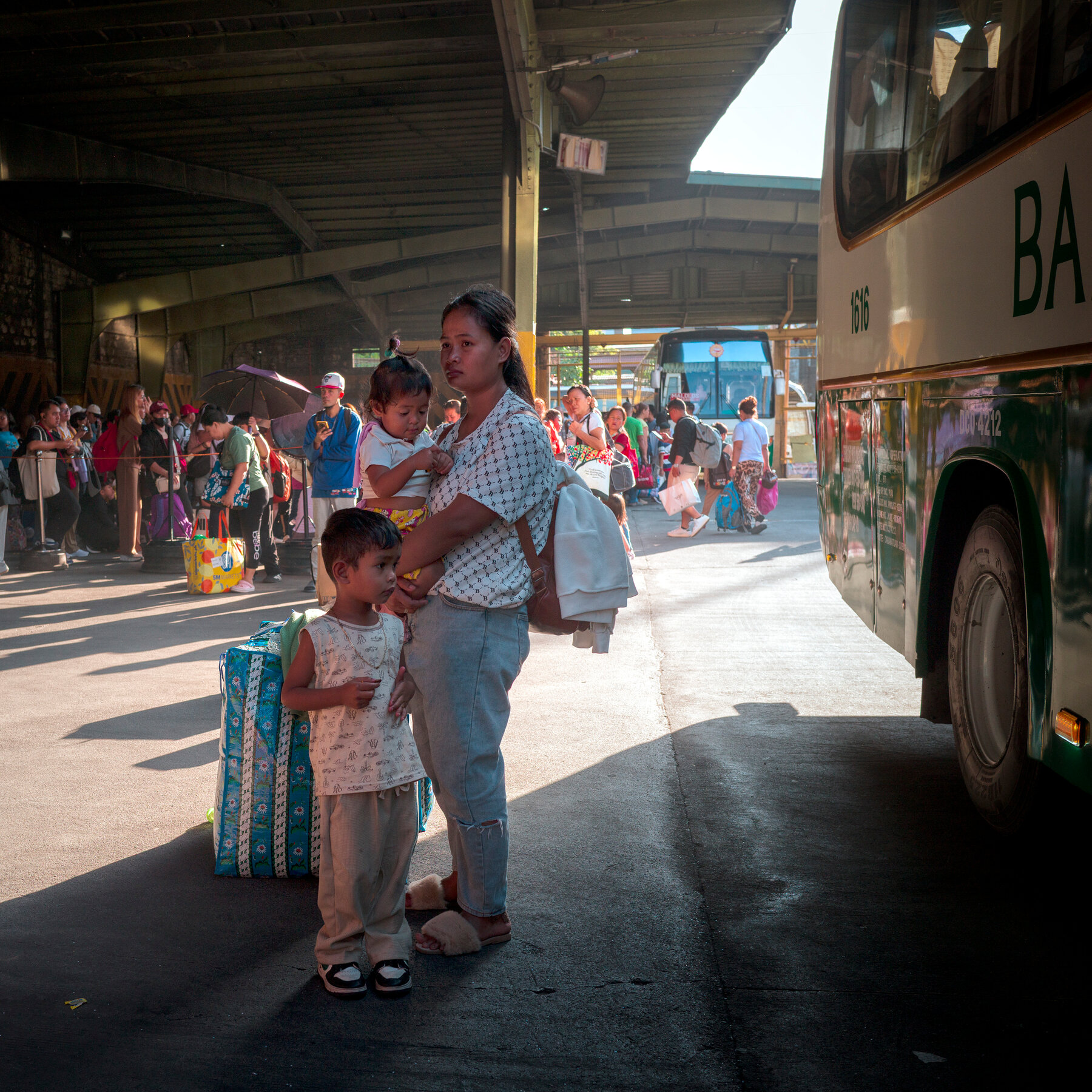
Surging gasoline prices in the Philippines have forced some people to cancel or scale back the Visita Iglesia, a Holy Week tradition in which Catholics travel to seven churches.
In the Philippines, the Holy Week is a time of deep religious reflection and family gatherings, marked by the Visita Iglesia tradition where Catholics visit seven churches. However, this year, the festivities have been overshadowed by soaring fuel prices, compelling many travelers to reconsider their plans and stay home.
The Visita Iglesia, a centuries-old tradition, is a significant part of Holy Week celebrations in the Philippines. Families and communities visit seven churches, each adorned with intricate decorations, to pray and participate in the solemn rituals. This year, however, the rising cost of gasoline has become a major concern for many Filipinos, particularly those living in urban areas who rely on public transportation or private vehicles to travel to their destinations.
According to the Philippine Association of Automobile Manufacturers, gasoline prices have surged by over 10% in recent weeks, driven by global market fluctuations and increased demand during the holiday season. This has made it increasingly difficult for many Filipinos to afford the necessary fuel to travel to their hometowns or to visit the churches they traditionally attend.
The impact of the fuel price hike is most felt by those who live in the cities and plan to visit their families in the provinces. Quezon City, one of the busiest transportation hubs in the country, has seen a noticeable decline in the number of passengers booking tickets for intercity buses and jeepneys. Many have opted to cancel their trips or postpone them, citing the high cost of fuel as the primary reason.
In addition to the financial burden, the rising fuel prices have also led to concerns about the environment. With fewer people traveling, there has been a reduction in traffic congestion, leading to lower emissions and improved air quality. However, this temporary relief is overshadowed by the economic hardships faced by many families who have had to cut back on their traditional Holy Week activities.
The Philippine government has been monitoring the situation closely, with some officials expressing concern over the impact of the fuel price surge on the country's tourism and transportation sectors. Efforts are underway to stabilize fuel prices, but experts warn that it may take time for the situation to improve.
Despite the challenges posed by the rising fuel prices, many Filipinos are still finding ways to celebrate Holy Week. Some have opted to participate in virtual Visita Iglesia tours, while others have chosen to visit local churches within their immediate vicinity. The spirit of Holy Week, it seems, remains undeterred by the economic challenges, as families and communities adapt to the new circumstances.
In conclusion, the Holy Week in the Philippines this year has been marked by a unique set of challenges, with soaring fuel prices forcing many travelers to reconsider their plans. While the Visita Iglesia tradition may be scaled back or celebrated differently, the deep religious significance of the holiday remains a constant. As Filipinos adapt to these new realities, the resilience of the nation's cultural and spiritual heritage is on full display.