
In the Philippines, Rising Fuel Prices Force Travelers to Stay Home During Holy Week
Surging gasoline prices in the Philippines have forced some people to cancel or scale back the Visita Iglesia, a Holy Week tradition in which Catholics travel to seven churches.
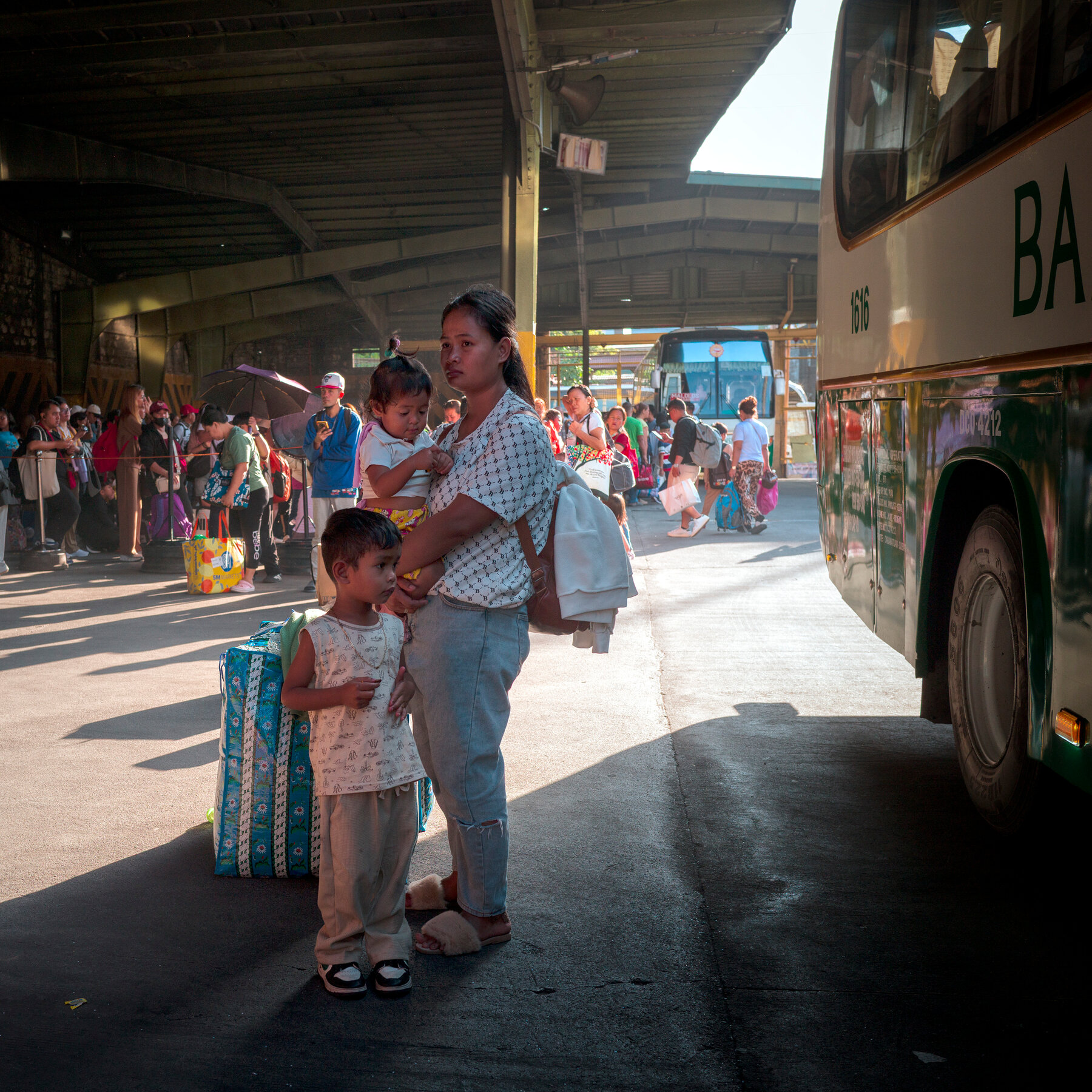
In the Philippines, the Holy Week is a time of deep religious reflection and family gatherings, marked by the Visita Iglesia tradition. This year, however, the festivities have been overshadowed by soaring fuel prices, compelling many travelers to reconsider their plans and stay home.
The Visita Iglesia, a centuries-old Catholic tradition, involves visiting seven churches during Holy Week to pray and participate in the solemn rituals that commemorate the Passion, Death, and Resurrection of Jesus Christ. For many Filipinos, this tradition is not just a religious duty but also an opportunity to reunite with family and friends, often traveling long distances to reach the various churches.
The escalating cost of gasoline, however, has made such journeys financially unfeasible for many. According to data from the Philippine Stock Exchange, gasoline prices have risen by over 10% in the past few weeks, driven by global market fluctuations and local demand. This surge has prompted a significant number of Filipinos to cancel their travel plans or opt for shorter trips, limiting their Visita Iglesia visits to local churches.
The impact of the fuel price hike is most felt in the provinces, where public transportation relies heavily on diesel-powered buses and jeepneys. Many travelers, who typically rely on these modes of transport, are now facing steep increases in travel costs. For instance, a round trip from Manila to a provincial town that once cost around 100 Philippine pesos (approximately $2) now costs nearly double, making it a prohibitive expense for many families.
The situation has also affected the travel and tourism industry, which heavily depends on Holy Week tourism. Hotel bookings, which usually peak during this period, have seen a noticeable decline as travelers prioritize saving money over their traditional pilgrimages. This has left many hoteliers and tour operators scrambling to adapt, offering discounted rates and alternative packages to attract customers.
Despite the challenges, some Filipinos are finding creative ways to participate in the Visita Iglesia tradition. For example, several churches have organized virtual tours, allowing worshippers to view the churches' interior decorations and participate in services through live-streamed events. Others have opted for shorter trips, visiting churches in their immediate vicinity or organizing carpools to share transportation costs.
The Philippine government has acknowledged the issue and has pledged to monitor the situation closely. However, experts warn that the fuel price surge is unlikely to abate quickly, given the ongoing global energy crisis and the country's dependence on imported fuels. As a result, many Filipinos are bracing themselves for a more subdued Holy Week, focusing on the spiritual aspects of the celebration rather than the traditional travel-heavy observances.
In conclusion, the rising fuel prices in the Philippines have undeniably impacted the Holy Week celebrations, particularly the Visita Iglesia tradition. While some have adapted by scaling back their plans or seeking alternative ways to participate, the broader implications for the travel and tourism industry are significant. As Filipinos navigate these challenges, the Holy Week of 2023 serves as a stark reminder of the interconnectedness of economic conditions and cultural practices.









